In recent years, union votes of no confidence have emerged as powerful signals of discontent among workers, often illuminating deeper issues within workplace dynamics. This expression of collective concern can reshape leadership roles and influence organizational change, making it essential for employees and management alike to understand its implications. As workplaces evolve, recognizing the impact of a no-confidence vote empowers employees to advocate for their needs while encouraging leaders to reflect on their practices. By exploring the roots and consequences of such votes, you’ll gain valuable insights into enhancing workplace culture and fostering a more inclusive environment. Join us as we delve into what a union vote of no confidence truly means and how it can drive meaningful transformations in your organization.
What Is a Union Vote of No Confidence?
A union vote of no confidence is a critical mechanism that empowers union members to express their dissatisfaction with their leaders or policies. When members feel that their representatives are no longer serving their best interests, this vote serves as a tool to hold those leaders accountable. This vote can originate from various concerns, such as mismanagement, lack of transparency, or failure to address important issues affecting the members. Understanding this process is crucial, as it reflects the voice and agency of the members within the union structure.
The significance of a no confidence vote lies in its ability to initiate change. Members may choose to vote this way when they sense a disconnect between the leadership and the grassroots concerns of the union. By doing so, they can catalyze discussions that lead to the collection of support for new leaders or a shift in strategy. It’s a powerful reminder that union leadership is not immune to scrutiny and must remain attuned to the needs and sentiments of the collective.
In practice, the actual voting process varies by union, but it typically requires a petition or motion supported by a substantial number of members. If the vote passes, it can result in leadership resignations, the initiation of new elections, or the implementation of sweeping reforms within the union. This not only serves as a form of self-governance but also reinforces the idea that the power ultimately lies within the members, ensuring that their voices are heard and their rights are safeguarded.
Understanding the Purpose of No Confidence Votes
A vote of no confidence carries significant weight in unions, serving as a vital mechanism for members to assert their collective voice when dissatisfaction with leadership arises. This process not only empowers workers but also reinforces the core principles of accountability and transparency within the union structure. When members feel that their leaders are failing to represent their interests, whether due to mismanagement, lack of responsiveness, or deviation from union values, a no confidence vote becomes a powerful tool for initiating change.
The purpose of such a vote is multifaceted. Primarily, it acts as a catalyst for reflection and engagement among union members, prompting crucial conversations about the direction of leadership and union policies. Through this mechanism, members can express their concerns and advocate for new leadership or policy changes that better align with their needs and goals. This is not merely an act of dissent; it is a declaration of the members’ rights to influence decision-making and ensure that their leadership remains accountable. Empowering members in this way fosters a culture of participation and shared responsibility, encouraging a more engaged and informed membership.
Furthermore, a no confidence vote can significantly impact workplace dynamics by shifting power dynamics and challenging the status quo. Leadership is reminded that it operates at the behest of its members, and as such, it must remain attuned to their concerns; otherwise, it risks being ousted or compelled to conform to the collective will. This creates an environment where leaders recognize the importance of communication and transparency, understanding that they are not merely at the helm but are also representatives of a larger community. Ultimately, no confidence votes encapsulate the essence of democratic governance within unions, ensuring that every member’s voice counts in shaping the future of their organization.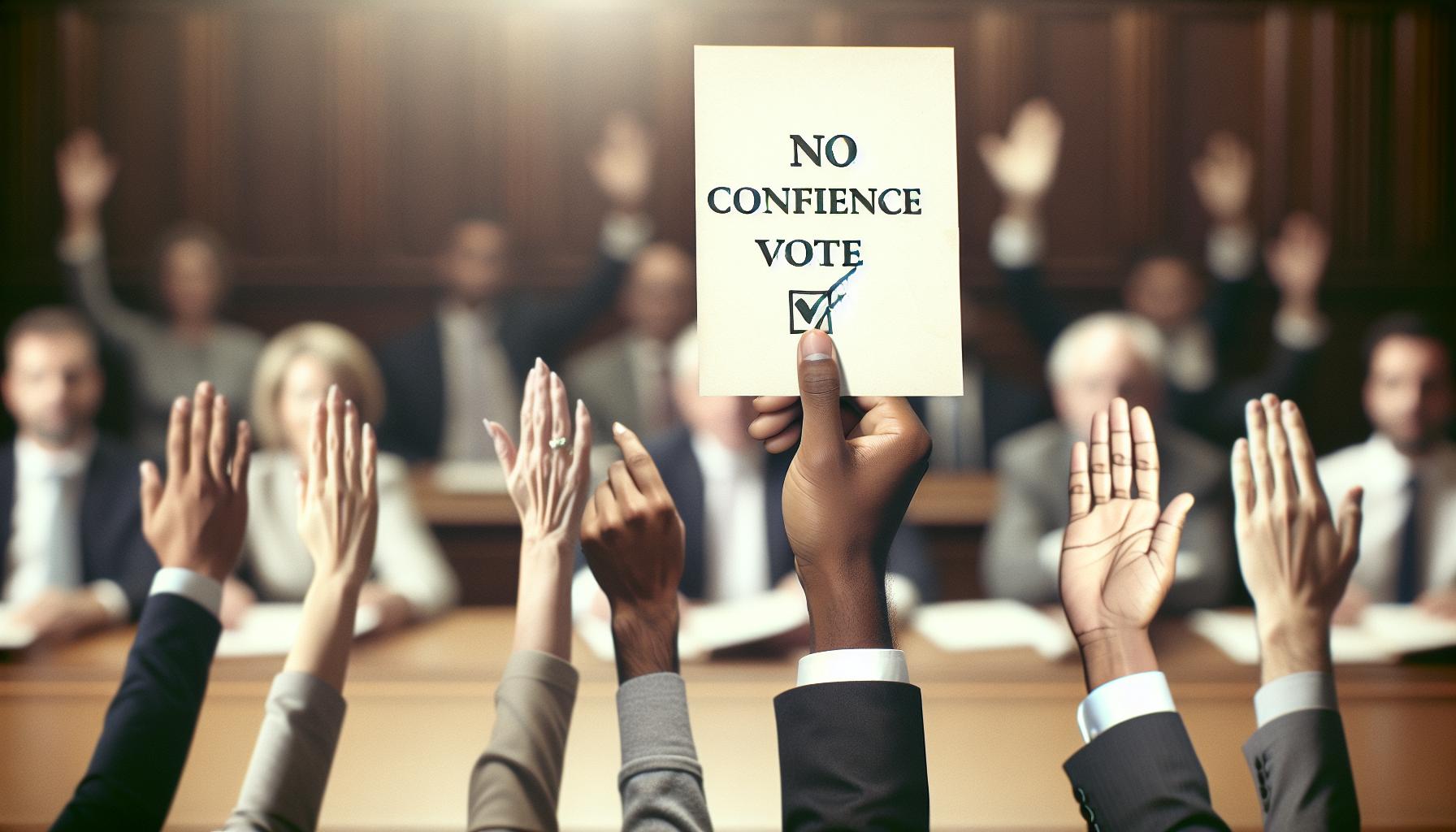
The Process: How a No Confidence Vote Works
To initiate a no confidence vote within a union, several structured steps must be followed to ensure fairness, transparency, and orderliness. At the heart of this process is the fundamental principle that the voices of union members should be heard, signifying collective dissatisfaction with leadership. Understanding the procedural aspects can empower members with the knowledge needed to effectively participate in this democratic exercise.
The commencement of a no confidence vote typically starts with gathering concerns and support from fellow union members. This may involve informal discussions or organized meetings to articulate specific grievances against the current leadership. Once there’s sufficient interest and consensus, a petition can be drafted, outlining the reasons for the pending vote and collecting signatures to demonstrate a significant call for change. The threshold for signatures varies by union but often requires a majority or a specified percentage of membership to move forward.
Following this, the union’s governing body-such as an executive committee-must be notified of the petition. They are responsible for reviewing the validity of the petition and for scheduling the vote. This stage is critical, as it highlights the importance of adhering to established regulations and processes to maintain legitimacy. During this time, communication is key; unions may host informational sessions or distribute materials explaining the implications of a no confidence vote, ensuring members are informed and engaged.
When the vote takes place, it can be conducted via a secret ballot to safeguard anonymity and mitigate fear of reprisal. The results are typically counted by a neutral party to ensure objectivity. If the majority of voting members express no confidence in their leaders, the leadership may either resign or face a reevaluation of their positions and strategies moving forward, leading to potential elections for new leaders or amendments to certain policies.
In summary, the process of a no confidence vote in a union empowers members by giving them a structured method to voice discontent and pursue necessary changes. This democratic mechanism not only promotes accountability but strengthens the fabric of the union, reinforcing the principle that leadership is ultimately accountable to its members. By participating in this process, union members embrace their rights and contribute to a more engaged and responsive union atmosphere.
Impacts of a No Confidence Vote on Workplace Dynamics
The decision to initiate a no confidence vote within a union can trigger significant shifts in workplace dynamics, reverberating not only through the immediate group of union members but also impacting broader organizational cultures. When members collectively question their leaders’ competence or trustworthiness, it sets off a chain reaction that can influence attitudes, behaviors, and even job satisfaction levels within the entire workplace. This process is not merely a reaction to dissatisfaction; it symbolizes a powerful assertion of agency and accountability among union members, reshaping the power balance between leadership and the workforce.
One of the most immediate impacts of a no confidence vote is the polarization it can create within the union. Members may find themselves divided along lines of loyalty and dissent, straining relationships and fostering an atmosphere of uncertainty. During this upheaval, clear communication becomes essential. Unions should consider implementing dialogue sessions where members can voice their concerns and perspectives openly, promoting understanding rather than division. When leadership is seen as responsive and transparent, it helps to rebuild trust and engagement, essential for collective strength moving forward.
The implications of a successful no confidence vote can lead to significant changes in leadership, which may invigorate union activism and engagement. A fresh leadership team may bring diverse perspectives and renewed energy to advocacy efforts, potentially reigniting passion and commitment among members. Additionally, the vote process serves as a potent reminder of the power of collective action and the importance of member involvement in decision-making. This reinstatement of accountability can encourage more proactive participation from members, fostering a culture where continuous feedback and constructive dissent are valued rather than feared.
The aftermath of a no confidence vote presents an opportunity for transformative growth within the union and the workplace. It lays the groundwork for reassessing priorities and developing action plans that reflect the aspirations and concerns of the membership. In this context, leaders are urged to facilitate constructive feedback loops and listening sessions post-vote to ensure that changes align with the members’ needs and foster a sense of belonging and empowerment. By actively engaging members in the transitional phase, unions can transform potential discord into a cohesive movement toward shared goals, ultimately enhancing workplace morale and effectiveness.
In summary, a no confidence vote is more than just a statement of dissatisfaction-it is a catalyst for change, capable of reshaping workplace dynamics and reestablishing power balances. Harnessing the energy and insights generated during this period can turn challenges into opportunities, reinforcing unity and commitment within the union and the workplace as a whole.
Case Studies: Notable No Confidence Votes in Unions
The landscape of labor unions is often reshaped by significant moments, and no confidence votes stand out as pivotal events that not only reflect internal discontent but also catalyze profound changes. One notable case occurred within the Association of Flight Attendants (AFA) in 2016, where members expressed their dissatisfaction with the leadership’s direction related to contract negotiations. A successful no confidence vote resulted in a leadership turnover, which subsequently led to more transparent processes and a renewed focus on member-driven negotiations, ultimately restoring trust and engagement among the membership.
Another impactful example can be found in the United Auto Workers (UAW). In 2019, a wave of dissent prompted a no confidence vote against the sitting president following decisions perceived as benefiting external corporate interests over worker rights. The fallout led to a restructuring of leadership that prioritized grassroots activism and a reaffirmation of the union’s commitment to its core values. The change invigorated members’ activism, illustrating how no confidence votes can serve as a powerful vehicle for reinvigorating union identity and commitment.
Self-Reflection and Learning
Through these case studies, it becomes clear that no confidence votes can serve not just as a mechanism for expressing dissatisfaction but as an opportunity for unions to engage in self-reflection and genuine reform. By allowing the voices of the membership to be heard and valuing the democratic process, unions can emerge from such votes with renewed purpose, ultimately aligning more closely with the needs and aspirations of their members.
While the journey through a no confidence vote can be challenging, it often results in stronger, more resilient organizations that empower their members. Understanding these historical contexts equips current and future union members with the knowledge that their voice matters and can lead to transformation.
Dissent within Unions: Causes and Consequences
Dissent within unions often arises from deep-seated frustrations about leadership decisions, perceived shortcomings in representing members’ interests, or broader economic conditions affecting workers. This dissatisfaction can stem from a variety of causes, such as failure to secure favorable contracts, lack of communication, or ethical concerns regarding leadership behavior. When members feel that their rights are not being upheld or that the leadership is detached from the realities faced by the workforce, the stage is set for significant unrest. Recognizing the fine line between constructive criticism and paralyzing dissent is crucial for maintaining unity.
The consequences of such dissent can be profound. A no confidence vote serves as a powerful tool for members to reclaim their voice and assert their demands. However, the impact of these votes can extend beyond leadership changes. They can disrupt organizational stability, leading to uncertainty and potential fractures within the union. At the same time, these votes can also catalyze essential change, encouraging a renewed focus on democratic practices and accountability. For instance, in a union that faces a no confidence vote, leaders might be compelled to engage more directly with the membership, fostering an environment of transparency and responsiveness.
Moreover, dissent can act as a double-edged sword; it can lead to positive transformations but also risks further alienating members when not managed properly. Open dialogue and regular feedback mechanisms are essential to mitigate these consequences. To foster healthy dissent, it is crucial to create forums where members feel safe expressing concerns and discussing grievances without fear of retaliation. This proactive approach helps in not only addressing issues early on but also in building a resilient union culture that empowers all members.
In essence, while dissent can stem from various concerns, its management and outcome can define the trajectory of a union. Encouraging transparency and involvement can transform dissent into a potent force for positive change, ultimately strengthening solidarity and purpose among members. It’s a reminder that union power lies not just in numbers, but in the collective voice that actively shapes the direction of the organization.
Union Members’ Rights: Navigating No Confidence Votes
In moments of discontent within a union, members often grapple with the decision to initiate a vote of no confidence against their leadership. This crucial act is not merely a statement of disapproval; it encapsulates a fundamental right of the members to voice their concerns and advocate for their interests. Understanding these rights during such turbulent times is key to navigating the complexities of union democracy with confidence.
Union members possess the right to participate fully in all union activities, including the initiation and voting process for a no confidence vote. This right fosters an environment where dissent is not only tolerated but regarded as an essential mechanism for accountability. Engaging in discussions concerning leadership performance, expressing dissatisfaction, and ultimately calling for change empowers members to reclaim their influence. By doing so, they actively participate in shaping the direction and priorities of their union, ensuring that leadership is responsive to the collective needs and aspirations of the workforce.
Empowering Union Members Through Rights Awareness
To effectively navigate a no confidence vote, members should first familiarize themselves with their union’s bylaws and governance procedures. Each union may have specific rules regarding how no confidence votes are conducted, including the thresholds needed to initiate such votes and the required finding of support among members. Clear communication among union members is essential; creating platforms for dialogue can help clarify concerns and solidify collective action.
Some practical steps for members considering a no confidence vote might include:
- Gathering Support: Organize discussions and distribute surveys to gauge sentiment and gather insights from fellow members.
- Educating Others: Host informational sessions detailing the implications of a no confidence vote and the potential impact on the union’s future.
- Establishing a Fair Process: Advocate for a transparent voting process to build trust and legitimacy in the action being taken.
- Communicating Effectively: Utilize newsletters, meetings, and social media to keep all union members informed and engaged throughout the process.
By asserting their rights and actively participating in the governance of their union, members can turn moments of frustration into opportunities for constructive change. Remember, a no confidence vote is not just about removing leadership; it is about reaffirming the commitment to collective oversight and representation in the union. Through such actions, members can help reinforce the importance of shared values and accountability, fostering a healthier and more vibrant union environment.
Rebuilding Trust: Steps After a No Confidence Vote
Trust is the cornerstone of any successful union, and following a no confidence vote, it becomes crucial to take deliberate steps to rebuild that trust among members. The aftermath of such a pivotal event can be disorienting and fraught with uncertainty, yet it also presents an opportunity for renewal and stronger solidarity. Engaging union members in transparent dialogues about the vote’s implications can be a powerful starting point. By actively acknowledging the feelings and concerns of members, leaders can begin to mend the rifts that may have developed.
One effective strategy for rebuilding trust is to prioritize open communication. Host regular town hall meetings or forums where members can share their thoughts and feelings about leadership changes and future direction. These meetings should focus on fostering a sense of collective responsibility, encouraging members to voice their ideas and suggestions for moving forward. This inclusivity can help ease tensions and demonstrate that every member’s perspective is valued and taken into consideration.
Moreover, implementing a feedback mechanism can play a pivotal role in demonstrating accountability. Consider establishing a confidential input system where members can share ongoing concerns about union leadership without fear of retaliation. Regularly reviewing and addressing these concerns fosters a culture of responsiveness and encourages a sense of ownership among members.
Additionally, rebuilding morale is essential. Engage members in team-building activities and community events to cultivate relationships that can transcend organizational challenges. Celebrating small victories together can reinforce a shared purpose and create a renewed sense of camaraderie. Acknowledging the challenges faced and then actively participating in recovery efforts can transform the experience into a genuinely unifying moment for the union.
In this rebuilding phase, it’s also vital to focus on leadership training and development. Ensuring that current and future leaders are equipped with the tools and knowledge to communicate effectively and lead constructively can prevent similar issues from arising in the future. By investing in skill development for both leadership and members, the union can empower individuals to participate actively in shaping its future, reinstating trust and demonstrating a commitment to continual growth.
Through these steps, the union can move from a place of division to one of collective empowerment, ensuring that all voices unite in crafting a more resilient and responsive organization. Rebuilding trust after a no confidence vote isn’t just about restoring what was lost; it’s about creating an even stronger foundation for the future.
The Role of Leadership in Union Stability
The stability of a union hinges significantly on effective leadership, particularly in challenging times such as following a vote of no confidence. Leadership in a union setting is not just about authority; it encompasses the ability to inspire trust, articulate a clear vision, and engage members meaningfully. When members express dissatisfaction through a vote of no confidence, it serves as a critical signal that the current leadership may not fully represent their interests or aspirations. It is essential for leaders to acknowledge these sentiments while actively working towards regaining the lost trust and support of the members.
To foster a sense of stability, leaders must prioritize transparent communication. This involves creating open channels for dialogue where members feel safe to discuss their concerns without fear of retaliation. Regular check-ins and forums can facilitate a better understanding of members’ perspectives. Additionally, leadership should be willing to listen actively and respond constructively to feedback. Such engagement not only helps in addressing specific issues but also reinforces a culture of accountability.
Moreover, leaders play a vital role in setting the tone for the union’s culture. They should model behaviors that reflect unity and purpose, reminding members of shared goals and the power of collective action. This can involve organizing workshops that focus on team-building and fostering a spirit of collaboration among members. By showcasing how each individual contributes to the union’s strength, leadership can cultivate a renewed sense of belonging and commitment.
Ultimately, effective leadership in a union is about empowering members. Leaders should provide opportunities for professional development and encourage members to take on leadership roles within the union. This democratization of leadership can transform the union into a more resilient organization. By building a robust framework of support and development, leaders not only stabilize the union after a no confidence vote but can also pave the way for a more unified and engaged membership moving forward.
Future of Unions: Lessons from No Confidence Votes
In the evolving landscape of labor relations, no confidence votes serve as more than just an expression of discontent; they are critical moments that can shape the future of unions. A vote of no confidence reveals underlying issues that may have been ignored, ultimately providing a unique opportunity for reflection and reform. Such votes signal to union leadership that a significant portion of the membership feels disconnected or unsupported, prompting a reevaluation of strategies and approaches to member engagement. Recognizing these moments as catalysts for change can allow unions to learn valuable lessons and strengthen their foundations for the future.
One key lesson unions can draw from no confidence votes is the importance of fostering transparent communication. Engaging members through open forums, regular updates, and active listening demonstrates a commitment to addressing concerns. When members feel heard, their investment in the union’s success deepens, creating a stronger sense of community and purpose. Leaders can implement structured feedback mechanisms, such as surveys or town hall meetings, that not only solicit input but also provide visibility into how member feedback informs decision-making. Transparency fosters trust, an essential element for reviving a union’s stability after a turbulent period.
Moreover, no confidence votes highlight the need for a culture of accountability and empowerment within unions. By encouraging members to take an active role in union activities, leadership can help mitigate feelings of disenfranchisement. Educational workshops on union governance and leadership skills can empower individuals to step up, cultivate their voice, and advocate for their fellow members. Leadership should act as a facilitator in this process, promoting a democratic atmosphere where member participation is valued and essential. This shift not only reinforces the collective power inherent in unions but also prepares the organization to weather future challenges more effectively.
In light of these insights, unions have a significant opportunity to reframe their missions post-no confidence vote. By embracing the opportunity for growth and adaptation, they can redefine their strategies to better align with members’ needs and aspirations. This transformational approach can lead to stronger solidarity, improved member satisfaction, and a reinvigorated commitment to the union’s goals, ensuring that the lessons learned from challenging times propel them toward a more unified and resilient future.
Strategies for Empowering Union Members Post-Vote
Empowering union members following a vote of no confidence is crucial for rebuilding trust and re-engaging the workforce. When members feel their voices are not just heard but valued, they are more likely to take an active role in shaping the direction of the union. A practical approach involves creating avenues for communication that allow members to express concerns and contribute to decision-making processes. This can include establishing regular feedback sessions, such as open forums or anonymous surveys, where members can share their thoughts and suggestions without fear of repercussions. Such spaces foster community and encourage collaboration, making members feel integral to the union’s journey toward renewal.
Furthermore, it is essential to educate union members about their rights and responsibilities within the union structure. Workshops focused on leadership skills, governance, and organizational roles can empower members to engage meaningfully in union activities. For instance, creating mentorship opportunities where experienced members guide new or less active members can enhance participation and build confidence. Additionally, forming committees that focus on particular issues, such as workplace safety or contract negotiations, allows members to take ownership of specific areas, facilitating both empowerment and accountability.
Action Steps for Member Empowerment
- Establish Communication Channels: Initiate regular town hall meetings and digitally accessible forums to discuss member issues.
- Conduct Educational Workshops: Offer training sessions on negotiation, leadership, and union policies to raise awareness and capability among members.
- Create Mentorship Programs: Pair experienced members with newcomers to foster knowledge-sharing and build relationships across different levels of union participation.
- Form Issue-Based Committees: Encourage the formation of groups focused on critical topics, allowing members to spearhead discussions and proposals that matter to them.
By taking these steps, unions can not only mend fractures created by the no confidence vote but also lay a stronger foundation for future collaboration and integrity. Transforming the aftermath of a no confidence vote into a powerful movement for engagement allows members to reclaim their agency, fostering a culture where collective strength replaces individual apprehension, ultimately turning challenge into opportunity.
Faq
Q: What usually prompts a union vote of no confidence?
A: A union vote of no confidence is typically prompted by dissatisfaction with union leadership, ineffective representation, or lack of transparency. Members may feel their interests are not being prioritized, leading to calls for a reevaluation of leadership effectiveness.
Q: How does a union vote of no confidence affect worker morale?
A: A union vote of no confidence can significantly impact worker morale. It often leads to uncertainty and division among members, while also sparking discussions about leadership accountability. Addressing underlying issues is essential to rebuilding trust and unity within the workforce.
Q: Can a no confidence vote lead to leadership change in a union?
A: Yes, a no confidence vote can pave the way for leadership change in a union. If the vote passes, it may trigger resignations or lead to new elections, fostering an opportunity for reform and new directions that better align with member interests.
Q: What rights do union members have during a no confidence vote?
A: Union members have the right to participate in the voting process, express their opinions freely, and access information about the vote’s implications. Engaging in open discussions and understanding the reasons behind the vote are key to navigating this process effectively.
Q: What strategies can union members use to voice their concerns prior to a vote?
A: Union members can organize meetings, create discussion forums, and utilize surveys to collect opinions. Encouraging open dialogue and presenting collective concerns to leadership before a vote can foster constructive outcomes and help align goals.
Q: How do no confidence votes influence future union elections?
A: No confidence votes can lead to increased scrutiny of leadership qualifications in future elections. They may prompt reforms in electoral processes and encourage more candidates to step forward, thereby enriching the democratic processes within the union.
Q: What happens if a no confidence vote fails?
A: If a no confidence vote fails, it typically means current leadership maintains its position. However, it may lead to ongoing tensions and the need for leadership to address the underlying concerns of the dissenting members to restore unity and trust.
Q: What are the best practices for union leadership following a no confidence vote?
A: Following a no confidence vote, union leadership should prioritize transparency and engagement with members. Listening to feedback, addressing grievances openly, and demonstrating a commitment to improvement are essential for rebuilding trust and strengthening the union’s foundation.
To Conclude
Understanding what a union vote of no confidence means is crucial for navigating workplace dynamics effectively. This pivotal decision can impact not only leadership but also the overall morale and direction of your organization. If you have lingering questions or wish to explore further, we invite you to delve into our related articles on union strategies and workplace leadership.
Take charge of your workplace empowerment by subscribing to our newsletter for insights delivered straight to your inbox. Don’t let uncertainty hold you back-embark on your journey toward informed engagement today. Join the conversation in the comments below and share your thoughts or experiences. Together, we can foster a more supportive and informed workplace environment. Your voice matters!