Have you ever felt uncertain when trying to express yourself in another language? Mastering expressions of confidence in Spanish can be empowering, not just linguistically but personally. In the realm of bilingual communication, understanding how to convey self-assurance opens doors to authentic connections and enhances your presence in diverse environments. This guide will help you learn important phrases, build confidence in your language skills, and explore practical strategies to overcome barriers like self-doubt and anxiety. As you delve into these tips, you’ll discover actionable techniques that not only strengthen your Spanish vocabulary but also foster a deeper sense of self-belief and assertiveness. Let’s embark on this journey together and unlock the confidence that lies within you, ensuring you feel empowered in both language and life.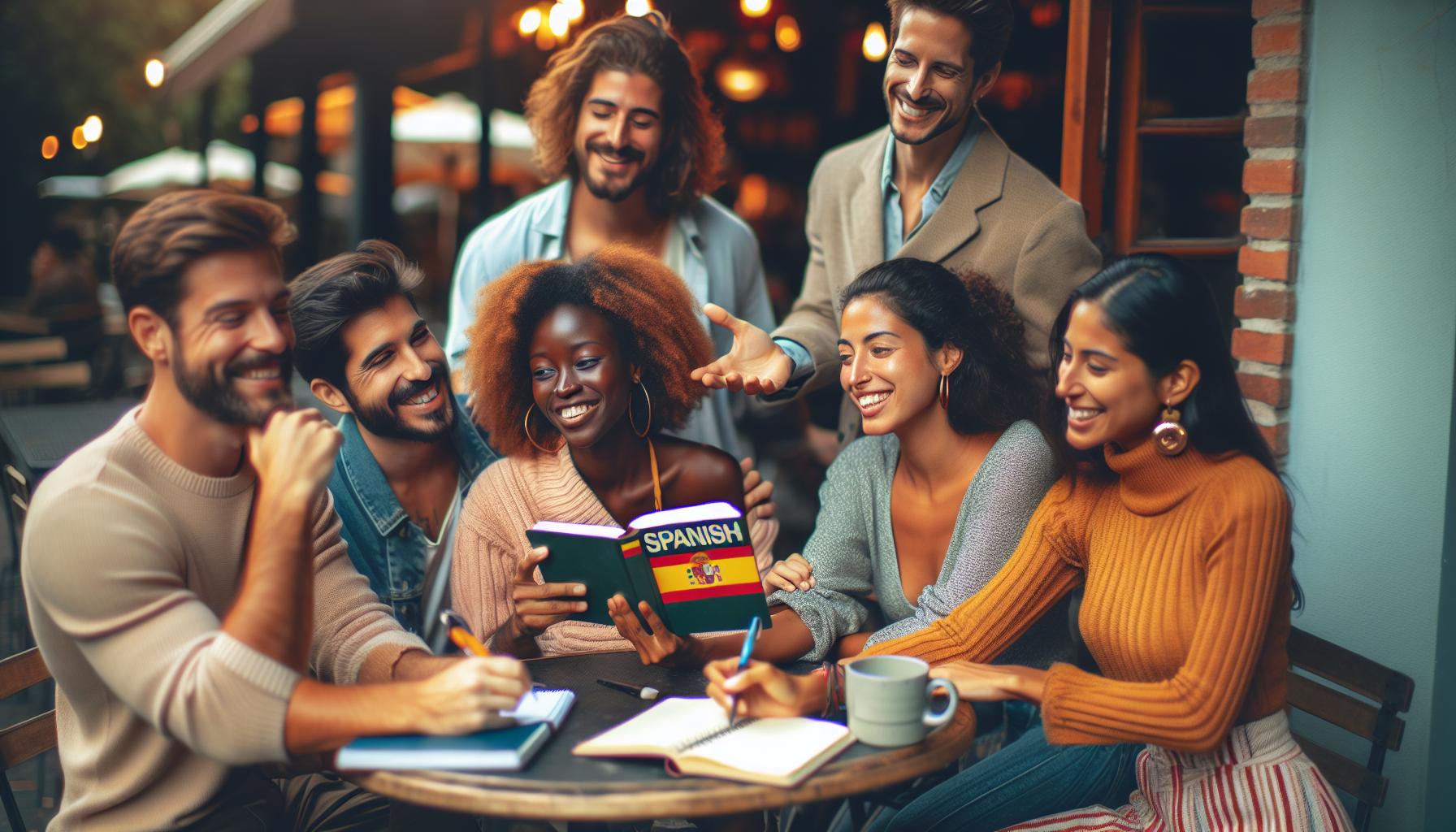
Understanding the Meaning of Confidence in Spanish
The concept of confidence, or “confianza” in Spanish, transcends mere self-assurance; it embodies a trust in one’s abilities, a faith that extends beyond oneself to include the environment and relationships. In many Spanish-speaking cultures, confidence is not only assessed on a personal level but also within the context of community and connection. Understanding the nuances of this term can provide a deeper appreciation of how various cultural perspectives shape our views on confidence.
To build “confianza,” it’s essential to embrace the vocabulary associated with it. Words like “seguridad” (security) and “autoestima” (self-esteem) play significant roles in fostering and expressing confidence. The encouragement of open dialogue about insecurities or challenges can facilitate this growth, allowing individuals to navigate their feelings in both personal and professional settings. As you become more familiar with these terms, practice incorporating them into your daily interactions. For instance, try using “me siento seguro” (I feel confident) in conversations to reinforce positive self-affirmation.
Confidence is also closely linked to cultural insights. In many Latin cultures, showing modesty is valued, which can sometimes be at odds with expressing confidence. Recognizing this cultural backdrop can help individuals balance self-assurance with humility. Engaging in group activities or community events can enhance one’s confidence, as these shared experiences foster mutual support and understanding.
To start developing your confidence in Spanish, consider these actionable steps:
- Practice affirmations in Spanish daily.
- Engage in conversations with native speakers, focusing on expressing your ideas clearly.
- Take note of situations that challenge your confidence and identify ways to address them constructively.
By approaching the meaning of confidence in a bilingual context, you empower yourself not just linguistically but also personally.
Essential Vocabulary for Building Confidence
Building confidence involves more than just believing in yourself; it requires a solid understanding of the vocabulary that expresses this essential trait. In Spanish, words convey subtle yet impactful nuances that can bolster your journey towards greater self-assurance. Familiarizing yourself with this vocabulary helps to articulate emotions and thoughts related to confidence, enabling you to communicate more effectively in both personal and professional contexts.
Words such as “autoconfianza” (self-confidence), “valor” (courage), and “determinación” (determination) are foundational to expressing and nurturing confidence. Incorporating these terms into your daily conversations can help reinforce your self-image. For instance, when facing challenges, saying “Yo tengo valor” (I have courage) can shift your mindset and empower you to take action, replacing self-doubt with an affirming belief in your abilities.
It’s also essential to recognize phrases that resonate with feelings of empowerment and assurance. Engaging in affirmations like “Soy capaz” (I am capable) or “Confío en mis habilidades” (I trust my abilities) provides a powerful way to enhance your self-esteem. Regularly repeating these phrases can fortify your mental resilience and create a habit of positive thinking.
To take action, consider creating a personal “confidence vocabulary list.” Write down phrases in Spanish that inspire you-this could be quotes from influential figures or mottos that resonate with your experiences. By actively using this vocabulary in different scenarios-be it during presentations, in family discussions, or social gatherings-you can develop a more robust confidence that helps you navigate various aspects of life with assurance.
Quick Steps to Use Vocabulary for Building Confidence
- Create your vocabulary list: Jot down encouraging words and phrases in Spanish that resonate with you.
- Practice affirmations: Incorporate phrases into your daily routine to reinforce our self-belief.
- Engage in conversations: Use new terms with friends or family to make them a part of your active vocabulary.
- Reflect on your experiences: After using these terms, take note of how they made you feel and adjust your list accordingly.
By integrating these vocabulary elements into your daily life, you’re not just learning a language-you’re actively crafting a mindset that supports confidence and empowers you to face challenges head-on. With practice, these words will become second nature, serving as building blocks for a more assertive you.
Common Phrases to Boost Your Self-Esteem
Confidence can often feel elusive, yet it is a skill that anyone can cultivate through practice and perseverance. Utilizing empowering phrases in Spanish not only reinforces your self-esteem but also serves as a bridge to express your thoughts and feelings more assertively. Incorporating phrases such as “Soy fuerte” (I am strong) or “Merezco lo mejor” (I deserve the best) into your daily conversations can profoundly shift your mindset and foster a sense of self-worth. Regularly affirming yourself with these phrases prepares you to face challenges head-on and nurtures a resilient spirit, essential for overcoming self-doubt and anxiety.
In various situations, utilizing specific phrases can elevate your self-image and transform your internal dialogue. For instance, in the face of a daunting task, saying “Estoy lista para este desafío” (I am ready for this challenge) can not only boost your confidence but also prime you for success. When engaging in social interactions, statements like “Tengo mucho que ofrecer” (I have a lot to offer) can empower you to express your thoughts freely and assertively, reducing anxiety about being judged by others.
To make the most of these powerful phrases, practice them consistently, integrating them into your routine. Creating tangible reminders-such as sticky notes on your bathroom mirror or motivational quotes in your workspace-can cultivate an environment of positivity and encouragement. Furthermore, consider pairing these phrases with actionable steps to reinforce their power. For example, combine “Confío en mis habilidades” (I trust my abilities) with specific action-based tasks, such as preparing for a presentation or initiating a conversation in a networking event.
Building your confidence doesn’t happen overnight, but actively employing these phrases can anchor you in self-belief and resilience. A small step can lead to significant transformation, allowing you to breakthrough barriers and step into your true potential effortlessly.
Overcoming Language Barriers: Speak with Assurance
Navigating a new language can feel daunting, especially when the stakes are high in social or professional environments. However, embracing bilingualism not only enriches your communication skills but also allows you to exude authenticity and confidence in every interaction. Speaking Spanish-or any new language-provides a unique opportunity to connect with others, share ideas, and demonstrate your cultural appreciation. The key to overcoming communication barriers lies in adopting effective strategies that foster assurance and resilience.
Start by immersing yourself in the language through daily practice. Even if you’re a beginner, regular exposure can significantly enhance your vocabulary and comprehension. Use resources like language apps or podcasts that focus on conversational Spanish. You can also engage in language exchange programs, where you can practice speaking with native Spanish speakers while helping them learn English. This reciprocal learning experience not only boosts your language skills but reinforces a sense of camaraderie, easing anxiety about speaking.
Another effective technique is visualization. Before entering a situation where you’ll have to speak in Spanish, take a moment to visualize yourself engaging confidently. Picture the conversation flowing effortlessly, and imagine the positive reactions of your conversation partners. This mental rehearsal can be particularly useful for scenarios like presentations or networking events, transforming anxiety into prepared enthusiasm. Combine this with positive affirmations, such as “Puedo hacerlo” (I can do it), to build your self-assurance.
Additionally, focus on intention over perfection. Embrace the idea that making mistakes is a natural part of learning. Approach conversations with the intention to connect, rather than to achieve flawless grammar. This shift in mindset can help alleviate the fear of judgment. In practical terms, when you feel nervous about speaking, remind yourself that the effort to communicate is often more appreciated than perfect language usage. Practicing active listening can further enhance these interactions, allowing you to respond thoughtfully and engage meaningfully without overthinking your language skills.
Incorporating these methods into your daily routine can create a foundation for confidence that transcends language barriers, empowering you to express yourself with authenticity and poise. This empowerment goes beyond words-it’s about cultivating a mindset that embraces challenges as stepping stones to growth. Whether you’re conversing at a business meeting or chatting with friends, remember that your voice deserves to be heard, and each effort you make enriches your journey toward bilingual fluency.
Tips for Practicing Confident Communication
Imagining a future where you communicate effortlessly in Spanish can feel like an exhilarating dream. Yet, for many, the reality of speaking another language brings a wave of anxiety. The key lies in mastering confident communication techniques that can help transform self-doubt into empowered speech. Here are some approaches that can effectively bolster your confidence.
Practice Active Listening
Developing confident communication isn’t solely about speaking; it also hinges on active listening. By focusing on the speaker and genuinely engaging with what they say, you not only gain understanding but also offer them a sense of respect. As you listen, take mental notes of how your conversation partner phrases their ideas, which can enhance your own speaking style. This technique builds a natural flow in conversations and diminishes your anxiety, as you won’t feel pressured to respond immediately.
Rehearse with Real-Life Scenarios
Preparation can dispel fear. Consider practicing conversations that you expect to encounter in social or professional settings. Role-play with a trusted friend or even in front of a mirror. Start by scripting potential dialogues where you might need to ask for help, share your opinion, or present an idea. This rehearsal solidifies your command over the language and boosts your confidence, making it easier to handle real conversations when they arise.
Use Positive Affirmations
Harness the power of words by integrating positive affirmations into your routine. Start your day with affirmations like “Soy capaz de comunicarme bien” (I am capable of communicating well) or “Mis ideas son valiosas” (My ideas are valuable). These declarations create a positive mindset that fosters self-belief and can significantly influence how you perform when engaging in Spanish conversations.
Embrace Mistakes
A crucial step to confident communication is embracing mistakes as part of the learning process. Shift your focus from the fear of making errors to the opportunity for growth. Understand that native speakers appreciate your effort to converse in their language, even if you stumble along the way. This acceptance not only alleviates pressure but paves the way for more authentic interactions.
By integrating these practices into your language journey, you can cultivate a more profound sense of confidence that transcends language barriers. Remember that each attempt brings you closer to fluency and authentic communication-commit to your progress, and celebrate small victories along the way.
Cultural Insights: Confidence in Spanish-Speaking Countries
Understanding the dynamics of confidence in Spanish-speaking countries reveals how cultural nuances shape expressions of self-assurance. Confidence, or “confianza,” is not merely about one’s belief in their abilities, but often reflects cultural values and social contexts. For instance, in many Latin American cultures, confidence can be intertwined with notions of community and relationships. Displaying self-assurance might be seen as a balance between personal pride and the collective identity of the group you belong to. Therefore, embodying confidence may extend beyond individual capability to include the capacity to uplift and inspire those around you.
In various Spanish-speaking regions, particularly in sociocultural settings, demonstrating confidence can be vital for interpersonal relationships. For example, during social gatherings, making eye contact, using open body language, and participating actively in conversations signal not just confidence but respect and engagement. Practicing these behaviors can help bridge any language barrier, fostering authentic connections. Remember to adapt to regional norms, as expressions of confidence can be context-sensitive; for instance, in some cultures, a more subdued demeanor may be valued over overt expressiveness.
To cultivate this kind of confidence, consider these actionable steps:
- Observe and Adapt: Pay attention to how confident speakers interact in various settings. Note their body language, tone, and engagement with others.
- Practice Conversational Skills: Engage in local events or language exchanges where you can practice speaking in Spanish with native speakers. This exposure can familiarize you with cultural norms around confident communication.
- Ask for Feedback: Don’t hesitate to seek input from friends or contacts about your communication style. Constructive criticism can highlight areas for growth and bolster your self-awareness.
By embracing these strategies, you not only build your own confidence but also align with the cultural subtleties that define it in diverse Spanish-speaking environments. Each interaction becomes an opportunity for growth, molding your understanding of confidence in a multicultural context and allowing you to express yourself authentically while respecting the dynamics at play.
Empowering Yourself with Positive Affirmations
Harnessing the power of positive affirmations can be a transformative tool for building authentic self-confidence, especially for those navigating the complexities of bilingual communication. These short, powerful statements can help reshape your self-perception, challenge limiting beliefs, and foster a resilient mindset. For instance, repeating affirmations like “Soy capaz y merecedor de éxito” (I am capable and deserving of success) can instill a sense of empowerment as you engage with both your language skills and your interactions.
To start using affirmations effectively, consider integrating them into your daily routine. This can be achieved through simple steps such as:
- Create Your Affirmation List: Write down 5-10 affirmations in both English and Spanish that resonate with you. They might be related to your language learning goals, social interactions, or professional aspirations. Examples include “Tengo confianza en mis habilidades” (I trust my abilities) or “Cada día soy más competente en español” (Every day, I am becoming more competent in Spanish).
- Repeat Daily: Dedicate a few minutes each morning or evening to read these affirmations aloud. This repetition helps embed these beliefs into your subconscious, reinforcing positive thinking and self-efficacy.
- Visualize Success: As you recite your affirmations, visualize yourself succeeding in various scenarios-whether it’s confidently speaking Spanish at a social gathering or presenting in a professional setting. This mental rehearsal can build the courage needed to take action.
With consistent practice, positive affirmations can counteract negativity and self-doubt. Instead of focusing on perceived inadequacies, shift your narrative to one of strength and capability. Affirmations help frame your experiences within a context of success, enabling you to approach challenges with confidence.
Moreover, complementing affirmations with mindfulness techniques, such as deep breathing or meditation, can enhance their effectiveness. Engaging in mindfulness while repeating your affirmations nurtures a calmer, more centered mindset, essential for overcoming anxiety that may arise in social or professional interactions.
By in both languages, you not only reinforce your self-belief but also give yourself the tools to thrive in bilingual environments. Recognize that building confidence is a journey; embrace each moment as an opportunity for growth and connection.
Role-Playing Scenarios: Practicing Confidence in Context
The power of role-playing cannot be overstated when it comes to building confidence, especially in a bilingual context. Engaging in simulated conversations allows you to practice your language skills while also navigating social dynamics in a safe and supportive environment. By pretending to be in real-life situations, you can face your fears, develop effective communication strategies, and make mistakes that serve as learning opportunities without the pressure of judgment.
Start by identifying common scenarios that make you feel anxious, whether it’s ordering food at a restaurant, making small talk at a gathering, or delivering a presentation at work. Once you pinpoint these contexts, you can create specific role-playing exercises. For instance, partner with a friend or family member and take turns playing both roles in a restaurant setting. Script out phrases in both English and Spanish, such as “Me gustaría pedir…” (I would like to order…) or “What do you recommend?” This practice helps increase your familiarity with vocabulary and phrases, making you more comfortable when the situation arises in real life.
Additionally, consider incorporating structured feedback into your role-playing sessions. After each practice scenario, discuss what felt comfortable and what challenges you faced. This reflection allows you to adjust your approach and build a more solid foundation of confidence. Engage in positive self-talk following each exercise, reminding yourself of the progress you’ve made. For instance, celebrate small victories like successfully completing a dialogue or correctly using a new phrase, reinforcing the idea that you are becoming more confident in your abilities.
Finally, expand these scenarios to include public speaking or professional interactions. Role-play delivering presentations to a group, focusing on both verbal and non-verbal communication. Practice making eye contact, using gestures, and maintaining an engaging tone. By immersing yourself in these experiences, you not only enhance your language proficiency but also develop a resilient mindset that supports your bilingual empowerment journey. Every scenario you rehearse brings you one step closer to authentic confidence and fluid communication in any setting.
Strategies for Building Confidence in Professional Settings
Building confidence in professional settings is crucial, especially when navigating the complexities of bilingual communication. Many women frequently find themselves in environments where self-doubt can hinder their performance, but developing a mindset of assurance can dramatically enhance both personal and professional interactions. Engaging in small, manageable practices can empower you to overcome anxiety and present your best self in any situation.
One effective strategy involves preparation and practice. Before attending a meeting or giving a presentation, rehearse your content aloud in both English and Spanish. This will not only boost your familiarity with the material but also give you the opportunity to refine your language skills. Consider recording yourself to identify areas for improvement in pronunciation and delivery. By envisioning the interaction and practicing your key points in advance, you can alleviate anxiety and approach the situation with a sense of preparedness.
Another powerful technique is to use positive visualization. Before entering a professional scenario, take a moment to close your eyes and imagine the outcome you desire. Picture yourself speaking confidently, engaging positively with colleagues, and receiving affirmation for your contributions. This mental rehearsal can significantly affect your performance and reinforce the belief that success is within your reach. Coupling this with affirmations-simple phrases stating your capabilities-can further bolster your self-esteem.
Additionally, cultivating a supportive network is invaluable. Surround yourself with mentors and peers who reinforce a positive environment. Engage in discussions where you can share experiences and learn from each other. Find accountability partners who can provide constructive feedback and encouragement. This camaraderie will not only enhance your skills but also build a sense of belonging, empowering you to express yourself confidently in meetings or presentations.
Ultimately, the key to developing genuine confidence in professional settings lies in consistent practice, mental preparation, and supportive relationships. By implementing these strategies, you transform your approach to professional interactions, paving the way for authentic self-belief and empowerment in your bilingual journey.
Navigating Social Situations with Bilingual Confidence
In social situations, especially when navigating the complexities of bilingual communication, confidence can be a significant barrier to authentic connection. It’s not uncommon to feel a wave of anxiety when faced with unfamiliar faces or the pressure to switch languages. However, transforming this apprehension into confidence is an achievable goal. Build your bilingual prowess by actively engaging in the setting, using your linguistic abilities as an asset rather than a hindrance.
Start by practicing active listening when conversing in Spanish or English. This not only helps you respond more appropriately but also reinforces your self-assurance as a participant. Inquire about others’ experiences, feelings, and thoughts to create an inviting atmosphere. This shifts the focus from any insecurities you may have to genuine engagement with your conversation partners. Remember, asking questions can often lead to enriching dialogues, making the process feel more natural and less intimidating.
Another effective strategy is to prepare a toolkit of common phrases and responses in both languages. Familiarize yourself with expressions that resonate in social interactions, such as compliments, common inquiries, or shared interests. Crafting these phrases can bridge gaps, easing the discomfort that arises in bilingual settings. For instance, learn to say “Me gusta lo que dijiste” (“I like what you said”) or “¿Qué piensas sobre esto?” (“What do you think about this?”). Incorporating such phrases into your conversations can bolster your confidence and facilitate smoother exchanges.
Additionally, practice positive self-talk. Remind yourself of past experiences where you’ve managed to communicate effectively, irrespective of the language barrier. Visualize these moments before entering a new social space. Picture yourself engaging in conversations, demonstrating enthusiasm, and effortlessly switching between languages. This mental rehearsal primes your mind for success and diminishes feelings of doubt.
Lastly, adopt a growth mindset by viewing every social interaction as an opportunity to learn. Embrace the possibility of making mistakes as part of your journey. Allow yourself the grace to stumble; it’s in those moments that you grow the most. Foster connections with others who celebrate bilingualism. Sharing experiences can create a supportive environment, transforming anxiety into empowerment. By taking these steps, you can navigate social situations with newfound confidence, making your bilingual journey not just a necessity but a joyful adventure.
Resources for Continued Learning and Empowerment
Building confidence, especially in bilingual contexts, often requires ongoing learning and self-empowerment. Leveraging resources tailored to bilingualism can significantly enhance your journey toward authentic self-belief and communication comfort. Engaging with various platforms designed for language learning and cultural exchange will not only improve your language skills but also provide valuable insights into the nuances of communication in Spanish-speaking environments.
One excellent way to build your confidence is through online language exchange platforms such as Tandem or HelloTalk. These applications connect users with native speakers for mutual learning. Spend time conversing with partners who can offer constructive feedback and real-world practice, reinforcing your ability to communicate effectively. This not only helps you learn language nuances but also reduces social anxiety by creating a supportive, friendly environment.
Another great resource is language learning podcasts and YouTube channels. Look for series that focus on conversational Spanish, highlighting practical vocabulary and idioms that foster confidence in speaking. For instance, channels like “SpanishPod101” or “Butterfly Spanish” provide engaging lessons aimed at everyday communication. Incorporating these lessons into your daily routine can help solidify your linguistic skills while promoting a positive mindset.
Participating in local or virtual Spanish-speaking meetups or clubs can also be beneficial. These gatherings allow individuals to practice their language skills in a relaxed setting while building community connections. Engaging with others who share similar goals can create a sense of camaraderie, further boosting your confidence as you realize you’re not alone on this journey. Embrace these opportunities as they arise, and remember that every interaction is a step forward.
In addition to language resources, integrating mindfulness practices into your routine can significantly enhance your confidence. Techniques such as visualization and positive affirmations can help reshape your mindset. Consider dedicating a few minutes each day to visualize yourself engaging in conversations confidently or affirming your abilities with phrases like “I am capable of communicating effectively” in both English and Spanish. This psychological approach complements practical language learning, creating a well-rounded foundation for sustained empowerment.
Lastly, don’t underestimate the power of self-reflection. Keeping a journal of your experiences-what worked, what challenges you faced, and how you navigated them-can provide insights into your growth and bolster your self-esteem. As you see progress documented over time, it serves as a reminder of your journey and potential, reinforcing the belief that you can communicate effectively and with assurance, no matter the context.
Frequently asked questions
Q: How do you say “confident” in Spanish?
A: The word “confident” in Spanish is “confidente.” However, when describing someone as being sure of themselves or self-assured, you would use “seguro” for men and “segura” for women.
Q: What phrases can help express confidence in Spanish?
A: You can express confidence in Spanish with phrases like “Tengo la seguridad de…” (I am confident that…) or “Estoy seguro/a de mis capacidades” (I am confident in my abilities). Practicing these phrases can enhance your assertiveness in conversations.
Q: Why is building confidence important when learning a new language?
A: Building confidence is crucial when learning a new language because it reduces anxiety and encourages speaking. The more confident you feel, the more likely you are to practice and engage in conversations, which is essential for language acquisition.
Q: What are some tips for overcoming language anxiety in Spanish conversations?
A: To overcome language anxiety, practice speaking with native speakers, use positive affirmations, and remember that making mistakes is part of learning. Engaging in role-playing scenarios, as mentioned in our article, can also be beneficial.
Q: How can cultural understanding enhance my confidence while speaking Spanish?
A: Understanding cultural nuances can boost your confidence by helping you feel more connected to the language. Recognizing regional expressions and cultural contexts, discussed in our article, allows for more natural conversations and reduces the fear of miscommunication.
Q: When is it appropriate to assert confidence in professional Spanish-speaking settings?
A: It is appropriate to assert confidence in professional settings whenever you are presenting ideas, negotiating, or participating in discussions. Employing confidence-boosting phrases and strategies can help establish your authority and credibility.
Q: Where can I find resources for continued confidence building in Spanish?
A: You can engage with online platforms such as language exchange websites, local conversation clubs, or apps focused on language learning. Our article offers resources that can guide you in your journey to enhance your bilingual confidence.
Q: How can I practice positive affirmations in Spanish?
A: To practice positive affirmations in Spanish, write out phrases like “Confío en mí mismo/a” (I believe in myself) and repeat them daily. This practice fosters a positive self-image and encourages you to embrace your bilingual journey confidently.
The Conclusion
As we wrap up our journey on “How to Say Confident in Spanish: Bilingual Empowerment Tips,” remember that embracing confidence is a continual process, not just a destination. You’ve learned effective strategies to overcome social anxiety and boost your assertiveness, whether it’s in professional settings or personal interactions. Now is the time to take action! Consider practicing these techniques in your daily life. It’s essential to reinforce your skills, so don’t hesitate to explore our related articles on building self-esteem and enhancing communication skills.
If you found this guide helpful, please share it with others who may benefit. Join our community for more resources on authentic confidence-building and bilingual empowerment. Sign up for our newsletter to receive tips and insights tailored to your journey. Keep pushing forward, and remember: genuine confidence is about embracing who you are while continually striving to grow. Let’s continue this transformative journey together!