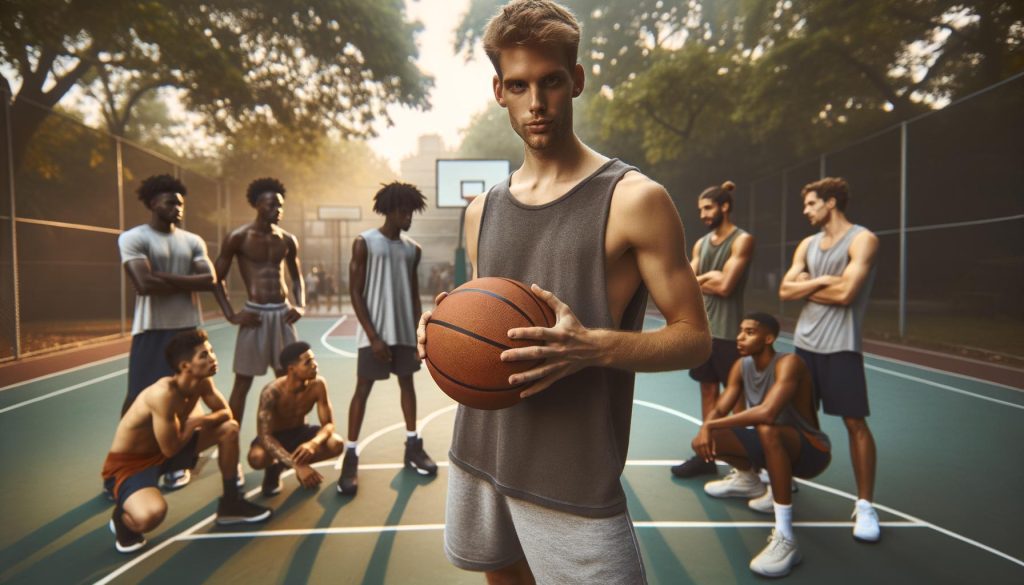
In the competitive world of basketball, confidence can be the difference between a missed shot and a game-winning three-pointer. Understanding how to cultivate this essential trait not only enhances performance on the court but also empowers you in all aspects of life. Many players struggle with self-doubt, particularly during crucial moments, but the good news is that confidence can be built and reinforced through practice, mindset shifts, and effective strategies. This guide will explore practical techniques to boost your self-belief, transforming not just your game but your overall approach to challenges. Whether you’re looking to improve your skills or overcome anxiety, each step you take toward building confidence can lead to significant personal victories. Embrace the journey, and discover how confidence can unlock your full potential-not just in basketball, but in every area of your life.
Building a Strong Basketball Mindset
Building a robust mindset is crucial for any basketball player, as it lays the foundation for confidence and performance on the court. A strong basketball mindset begins with the recognition that confidence is not solely about talent but rather a belief in one’s abilities and decision-making skills under pressure. Transforming your mindset can turn self-doubt into self-assurance, much like the transformation seen in players who evolve from hesitant participants to assertive contributors within just a few days of targeted coaching interventions.
To foster this strong mindset, consider embracing the following strategies:
- Positive reinforcement: Regularly acknowledge your successes, no matter how small. This reinforces a belief in your capabilities.
- Mindfulness practices: Engage in mindfulness or meditation techniques that help you focus on the present moment, reducing anxiety about performance.
- Visualization: Picture yourself successfully executing plays. Studies show that mental rehearsal can significantly enhance physical performance.
- Learn from failures: View mistakes as opportunities for growth rather than setbacks. Building resilience against failure fosters a more robust mindset.
These strategies not only enhance your game but also translate to real-life scenarios, helping build confidence in various aspects of your daily experiences. Working collaboratively with teammates can further amplify this mindset; the support and encouragement from a community offer substantial emotional backing that boosts confidence. Remember, developing a strong basketball mindset is an ongoing process-embrace the journey of continuous improvement and revel in the victories, both on and off the court.
Understanding the Psychological Aspects of Confidence
Understanding the intricacies behind confidence can be pivotal for athletes seeking to improve their performance on the basketball court as well as in their everyday lives. Confidence is often misunderstood; it’s not just about having a high opinion of oneself but rather a profound sense of belief in one’s abilities, particularly when faced with challenges. This belief is deeply intertwined with our thoughts, emotions, and past experiences, making it essential to address the psychological aspects at play.
A common misconception is that confidence is a fixed trait, bestowed upon a lucky few. However, it is a dynamic state that can fluctuate based on various factors, including the environment, social interactions, and even the feedback we receive. Many players struggle with self-doubt, which can stem from past mistakes or perceived failures. This is where the power of self-awareness comes into play. Cultivating a deep understanding of your thoughts and feelings can provide insight into how you react under pressure. Regularly reflecting on your performances and identifying areas of uncertainty allows you to confront negative beliefs head-on, transforming them into positive affirmations of your potential.
To actively nurture confidence, consider initiating a practice of setting small, achievable goals. Breaking down larger objectives into smaller, manageable tasks can provide a series of successes that reinforce your self-belief. This approach not only makes the process less daunting but also creates a positive feedback loop: each small success builds upon the last, making it easier to tackle more significant challenges. Furthermore, surrounding yourself with supportive teammates and mentors who encourage a growth mindset fosters an environment ripe for confidence to flourish. Positive reinforcement from those around you can dramatically shift your self-perception, allowing you to embrace both your strengths and areas for growth.
Ultimately, building confidence is an ongoing journey that extends beyond basketball. Engage in daily practices that encourage positive self-talk and resilience, such as journaling about your successes or visualizing your ideal performance. By and actively working on them, you’ll not only enhance your basketball game but also equip yourself with the tools needed to navigate life’s challenges with assurance and poise.
Practical Drills to Boost Your Game Confidence
To cultivate authentic confidence on the basketball court, engaging in targeted drills can work wonders. These exercises not only enhance your skills but also fortify your mental resilience, allowing you to tackle challenges with assurance. Integrating drills that focus on self-evaluation and incremental progress can create transformative moments that bolster your self-belief.
Drills for Building Confidence
- Free Throw Consistency: Set a goal of making a certain number of free throws in a row. Start with a manageable number (like three) and gradually increase the target as you succeed. This method allows you to celebrate small victories and reinforces your shooting mechanics, enhancing your confidence every time you step to the line in a game.
- One-on-One Challenges: Regularly engage in one-on-one drills with teammates. Focus on both offense and defense. Confronting your opponent boosts your competitive spirit and sharpens your skills under pressure. Each successful play, whether a score or strong defense, adds to your confidence toolbox.
- Positive Visualization: Before practice, take a few minutes to visualize your ideal performance. Picture yourself making successful shots, executing great passes, and communicating effectively with your teammates. This mental rehearsal primes your mind for actual game scenarios, improving both confidence and performance.
- Personalized Skill Assessment: After practices or games, take time to analyze your performance. Identify strengths and areas for improvement, but focus on what you did well. Create personal benchmarks to track your growth over time. This practice fosters a sense of achievement, which is vital for confidence-building.
Incorporating these practical drills introduces a structured path to confidence that aligns with your growth as a player. Remember, each small success cultivates a more robust belief in your abilities, setting the stage for not only better basketball performance but a more empowered life overall. Engage in this journey with an open heart, and you’ll find that confidence is not just about winning; it’s about embracing your path of growth, both on and off the court.
Overcoming Performance Anxiety on the Court
Experiencing performance anxiety on the basketball court is a common struggle that can disrupt even the most skilled players. Factors like fear of judgment, pressure to succeed, or simply the intensity of the moment can trigger these feelings, leading to hesitation or poor performance. The key to overcoming this anxiety lies in recognizing it as a natural response and approaching it with compassion and effective strategies.
One powerful technique to reduce performance anxiety is to focus on the process rather than the outcome. Rather than fixating on the score or your statistics, shift your attention to the specific actions you can control-such as executing plays, communicating with teammates, or maintaining proper form. This shift takes the pressure off the end result, allowing you to immerse yourself in the game. Additionally, practice mindfulness exercises that help you stay present in the moment, reducing worries about what’s at stake.
Another effective approach is to incorporate breathing exercises into your pre-game routine. For example, try the 4-7-8 technique: inhale deeply through your nose for 4 seconds, hold your breath for 7 seconds, then exhale slowly through your mouth for 8 seconds. This method can calm your nervous system, clear your mind, and establish a sense of control before you step onto the court.
Furthermore, visualization techniques can be immensely beneficial. Take a few moments before games to visualize yourself handling high-pressure situations successfully, such as making a crucial shot or defending against a competitive player. Creating a vivid mental image of success can help to reduce feelings of anxiety and boost your confidence, making you better prepared when those moments arise.
Lastly, establish a supportive network with your teammates. Sharing your feelings and experiences with those who understand can alleviate pressure and foster a sense of camaraderie. Open discussions about anxiety can normalize these feelings and cultivate a culture where everyone feels supported, enhancing the overall team dynamic.
By implementing these strategies, players can learn to manage performance anxiety constructively, fostering genuine confidence that not only elevates their game but also enriches their personal development.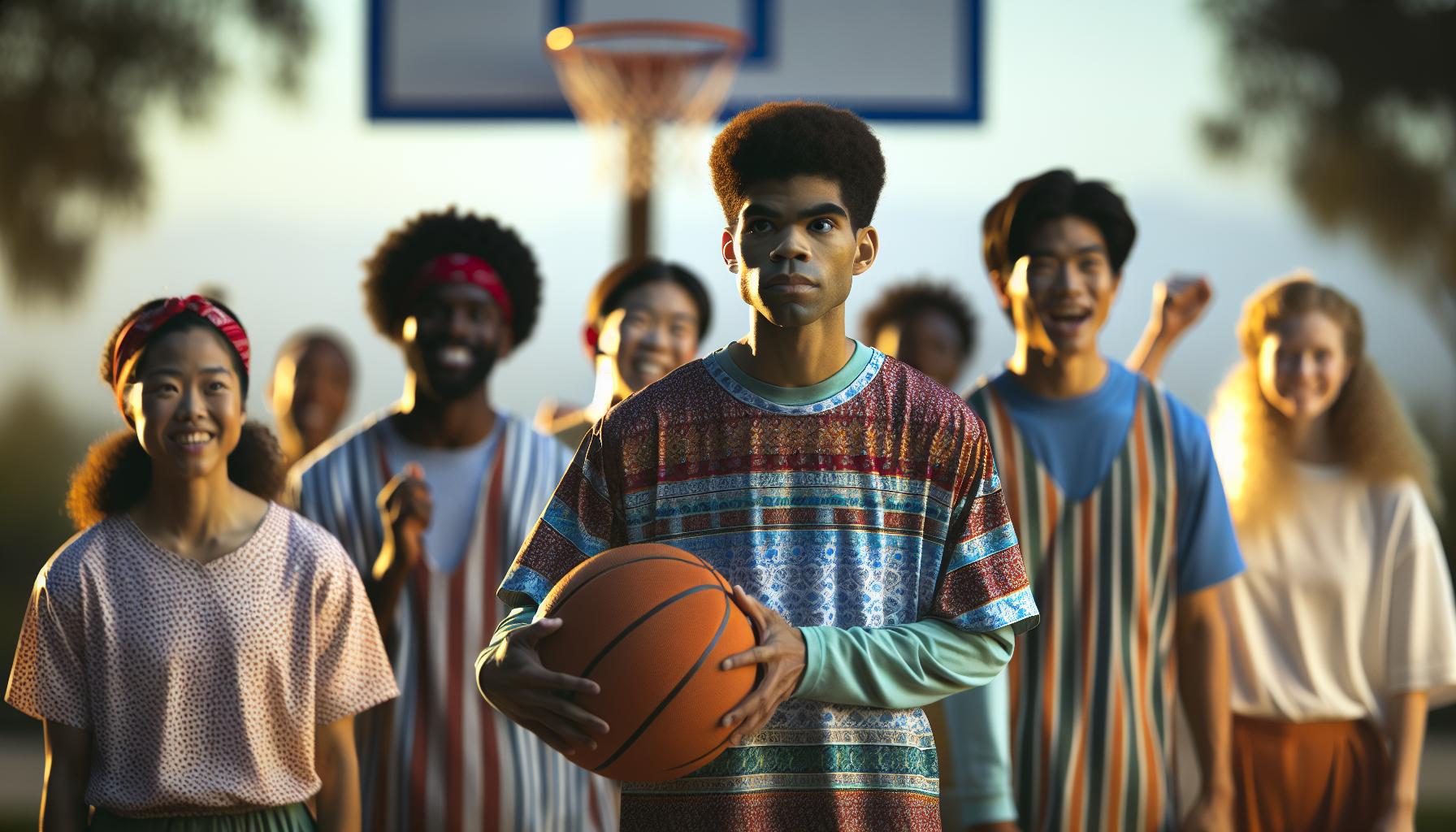
Harnessing Visualization Techniques for Success
Visualizing success is more than just daydreaming; it’s a powerful psychological technique backed by research that can significantly enhance performance on the basketball court. When players take the time to mentally rehearse their actions-like making pivotal shots or executing perfect defensive stands-they are effectively training their brains to navigate pressure situations. Visualization enables athletes to create a mental blueprint of their desired performance, which not only prepares them physically but also boosts their confidence and focus.
To harness the power of visualization, begin by establishing a calm environment where you can concentrate without distractions. Close your eyes and take several deep breaths to center yourself. Once relaxed, start crafting a vivid scene in your mind that represents your ideal game scenario. This could be making a game-winning shot, successfully defending against a challenging opponent, or receiving cheers from your teammates. Pay attention to sensory details: visualize the color of your jersey, the sound of the ball bouncing, and even the feeling of your feet on the court. The more detailed and lifelike the experience, the more effective it will be.
It’s crucial to practice this technique regularly, ideally before practices and games. Try using the following step-by-step method to get the most out of your visualization sessions:
- Set Goals: Define what specific areas you wish to improve. Is it shooting, dribbling, or defensive skills? Being clear will guide your mental imagery.
- Create a Routine: Dedicate a few minutes each day to visualization. Consistency will help reinforce your confidence and mental preparedness.
- Visualize Success: Focus on positive outcomes. Picture yourself not only succeeding but feeling the emotions associated with that success-joy, satisfaction, and pride.
- Reflect: After games, take time to reflect on your performance. Consider what parts of your visualization felt accurate and what can be improved for next time.
As you develop this skill, remember that visualization can also intertwine with other confidence-building methods, such as self-talk and breathing exercises. Merging these techniques creates a comprehensive mental rehearsal strategy that prepares you for the competitive environment of basketball while fostering a resilient mindset. With dedication to this practice, you’ll find that your pathway to confidence on the court-and in life-becomes clearer and more attainable.
Setting Achievable Goals in Basketball
Setting clear and achievable goals is a pivotal step in establishing confidence on the basketball court. When you frame your ambitions through specific, measurable targets, you’re not just crafting a roadmap to success; you’re also fostering a sense of personal agency that empowers you to tackle challenges head-on. Research shows that goal-setting can significantly improve performance and motivation, making it essential for athletes seeking to enhance their game.
To begin, it’s essential to structure your goals in a way that encourages attainable progress. Utilizing the SMART criteria-Specific, Measurable, Achievable, Relevant, and Time-bound-can provide you with a robust framework. For instance, instead of vaguely stating, “I want to get better at shooting,” specify, “I want to increase my free throw percentage from 70% to 80% by the end of the season.” This clarity helps focus your practice sessions and gives you a tangible benchmark to celebrate your achievements over time.
Another effective approach is breaking larger aspirations into smaller, incremental steps. If your overarching goal is to contribute more significantly to your team’s scoring, identify smaller objectives that lead you there: practice shooting 100 free throws each week, work on your layups every practice, or dedicate time to studying your opponent’s defensive strategies. As you achieve these micro-goals, your confidence will naturally grow, reinforcing your belief in your abilities.
It’s equally important to celebrate your progress, no matter how small. Acknowledgment of your efforts boosts morale and creates a positive feedback loop. Keep a journal documenting your goals, your practice sessions, and your progress. Reflecting on your achievements will not only remind you of your journey but will also serve as a motivational tool to push through any self-doubt or performance anxiety.
In addition, surrounding yourself with a supportive community can enhance your goal-setting process. Engage with teammates, coaches, or mentors who can provide encouraging feedback and help keep you accountable. Their support can be instrumental in maintaining your focus and motivation, which further amplifies your confidence on and off the court. By actively participating in a thriving basketball community, you’re not just building skills-you’re fostering relationships that cultivate resilience, belief, and strength.
Embrace this process of setting achievable goals as a journey. Each step, no matter how small, is part of a larger narrative of growth, determination, and self-discovery that will ultimately shape your confidence in basketball and beyond.
The Role of Positive Self-Talk in Sports
Harnessing the power of positive self-talk can transform your performance on the basketball court and beyond. Our inner dialogue profoundly affects our mindset, emotions, and actions, often determining whether we step onto the court with confidence or uncertainty. Research shows that athletes who engage in constructive self-talk not only improve their focus but also enhance their overall performance during games and practice. By shifting to a more encouraging internal conversation, you create a foundation for resilience, motivation, and self-belief.
To integrate positive self-talk into your routine, start with simple affirmations that resonate with you. Choose phrases like “I am a strong player,” “I can handle challenges,” or “I trust my skills on the court.” Repeat these affirmatively before games or during practice. This exercise can help build a mindset that embraces challenges rather than conforming to fear. Additionally, recalling past successes and reminding yourself of your capability helps solidify a positive perspective. Reflecting on these moments reinforces your belief in yourself, which is crucial during high-pressure situations.
Strategies for Effective Self-Talk
- Reframe Negative Thoughts: Identify moments when you catch yourself thinking negatively-turned into “I always miss” could become “I’ve practiced and can do this.”
- Use Motivational Quotes: Keep a list of quotes from players you admire. Read them daily to boost your morale. For instance, “What you put in is what you get out” can remind you of the importance of effort.
- Visualize Success: Couple positive self-talk with visualization exercises. Before games, picture yourself successfully making shots or passing to teammates. This mental rehearsal can solidify your belief in your capabilities.
By recognizing and actively changing the narrative in your mind, you pave the way for a confident on-court presence and a more secure sense of self off the court. This ongoing practice is not just about improving athletic performance but also about cultivating a mindset that channels positivity in various aspects of life, from social situations to personal challenges. Ultimately, as you reinforce positive self-talk, you will find the courage to embrace challenges, grow from setbacks, and truly believe in your potential as both an athlete and an individual.
Cultivating Resilience: Learning from Setbacks
Embracing setbacks as opportunities for growth is a crucial step in cultivating resilience, both on the basketball court and in life. When faced with challenges such as missed shots, losses, or unanticipated mistakes, it’s vital to shift perspective and see these moments not as failures but as valuable learning experiences. Each setback is a chance to reflect, reassess your strategies, and re-engage with your passion for the game. By analyzing what went wrong and identifying the lessons to be learned, you reinforce the notion that improvement is a continuous journey.
To actively cultivate resilience, start by practicing self-compassion. Be kind to yourself in moments of disappointment. Instead of falling into a spiral of negative self-talk, remind yourself that every successful player has encountered obstacles. A simple exercise to facilitate this process is journaling; after a game or practice, write down what you learned from your experience, including both successes and areas for improvement. This helps to internalize the understanding that setbacks are not the end but rather stepping stones towards greater achievements.
Practical Steps to Build Resilience
- Identify and Reframe: When you experience a setback, take a moment to identify your feelings. Reflect on how you can reframe the situation into a positive light. For example, missing crucial free throws could be seen as a motivation to enhance your practice routine.
- Set Short-Term Goals: After a setback, create achievable, short-term goals to regain confidence. Focus on smaller aspects of your game, such as improving your free throw percentage over the next few practices.
- Celebrate Small Wins: Acknowledge and celebrate achievements, no matter how small. Each incremental gain builds not only your skills but also your confidence and resilience.
Developing resilience also requires building a supportive network around you. Engage with coaches, teammates, and friends who can provide encouragement and constructive feedback. This community can serve as a source of motivation during tough times, reminding you that you are not alone in your struggles. Whether you’re hearing experienced players share their own setbacks or leaning on teammates for encouragement, this collective reinforcement can be incredibly grounding.
By focusing on these strategies and fostering a growth mindset, you create a reliable foundation to bounce back from adversity, instilling genuine confidence in your capabilities. Understand that the path of resilience is ongoing, enhancing your not just as a basketball player but also as an individual ready to tackle life’s challenges head-on.
Building Confidence Through Team Dynamics
The influence of team dynamics on an athlete’s confidence cannot be overstated; when players feel supported by their teammates, it can significantly enhance their performance and self-assurance on the court. A strong, cohesive team fosters an environment where individual players thrive, as mutual encouragement and constructive feedback become fundamental aspects of the team’s culture. Each player plays a unique role, and recognizing their contributions can lead to increased self-esteem and a willingness to take risks, whether that means attempting a challenging shot or making a strategic play.
Building effective communication among teammates is vital for nurturing confidence. Regularly engaging in open discussions about game strategies, individual strengths, and areas for improvement helps create an atmosphere of trust. Encouraging teammates to express their thoughts and feelings allows for the sharing of insights and fosters a sense of belonging. For instance, a player who might be hesitant to assert themselves can gain the confidence to contribute when they feel their voice matters within the team dynamic.
Another practical approach to enhancing confidence through team dynamics is through structured teamwork activities. These can range from casual, off-court bonding exercises to specific drills that require cooperation and collaboration. When players work together towards common goals, they can celebrate successes collectively, reinforcing a positive team spirit. Examples include team-building retreats, where players engage in trust exercises, or in-practice challenges that emphasize teamwork and collaboration.
To continuously build this supportive environment, it’s essential to implement regular check-ins. These brief, consistent meetings can serve as a platform for players to share experiences, celebrate achievements, and provide support for each other’s challenges. Such practices not only strengthen relationships but also instill a sense of accountability and encouragement among team members, allowing each player to feel valued and confident in their abilities.
In conclusion, the impact of teamwork on building confidence is profound. By cultivating an environment of support, open communication, and shared goals, athletes can foster a space where they feel empowered to express themselves and take confident leaps on the court. Embracing these strategies will not only enhance performance but also translate into a deeper sense of self-belief and resilience, both in sports and in life.
Translating Basketball Confidence to Real Life
Confidence built on the basketball court can lay the groundwork for success and self-assurance in every area of life. The skills and mindset developed during training and competition don’t just transform performance on the court; they can also enhance personal relationships, career advancement, and daily interactions. Creating a confident mindset as an athlete involves practice, resilience, and the application of key principles that achieve results in both sports and life.
To scaffold your confidence beyond basketball, start by identifying and reinforcing the mental skills learned during play. Reflect on challenging situations faced during games-perhaps hitting crucial free throws under pressure or successfully executing a strategic play. These experiences can translate into real-life situations like navigating challenging conversations at work or overcoming social anxiety during events. Whenever you face similar challenges off the court, recall those positive moments in basketball to remind yourself of your capabilities and past successes.
Actionable Steps to Foster Everyday Confidence
- Practice Self-Affirmations: Just as you encourage teammates, engage in positive self-talk. Start each day with affirmations that highlight your strengths, such as “I am capable” or “I trust my skills.” Regularly repeating affirmations can reshape your self-perception and attitudes towards challenges.
- Utilize Visualization Techniques: Drawing from sports psychology, take a moment to visualize success in real-life scenarios, whether it’s nailing an important presentation or engaging confidently in social situations. Picture yourself performing at your best and the emotions that accompany success.
- Embrace Challenges: Apply the risk-taking mentality from basketball to your everyday life. See every task, from public speaking to initiating a conversation, as an opportunity to grow. Embracing discomfort can enhance your resilience and further build your confidence.
- Celebrate Small Wins: Just as you celebrate a critical point during a game, acknowledge the small victories in life. Whether it’s completing a difficult project or having a positive interaction, celebrating these moments reinforces your growth and enhances motivation.
- Seek Support: Build a network of friends or mentors who encourage risk-taking and growth, much like the camaraderie felt on a basketball team. Engaging with a supportive community can provide valuable feedback, encouragement, and collective celebration of your achievements.
The overarching principle is that the confidence cultivated on the court is not only reserved for athletics. By applying these strategies in daily life, you’ll foster an enduring belief in your abilities, leading to growth in every aspect, whether personal, academic, or professional. Trust in your journey, embrace the challenges, and learn to translate that game-winning mindset into everyday success.
Embracing a Growth Mindset: Continuous Improvement
Embracing a growth mindset can profoundly transform your confidence both on the basketball court and in your everyday life. This mindset, rooted in the belief that abilities can be developed through dedication and hard work, fosters resilience and a love for learning. When you view challenges not as obstacles but as opportunities for improvement, every dribble, every pass, and every shot becomes a vital part of your journey toward mastery.
To cultivate this mindset, it’s essential to actively seek feedback and embrace constructive criticism. Just as coaches point out areas of improvement during practice, you can invite trusted friends or mentors to provide insights into your performance-whether in basketball or daily interactions. By viewing this feedback as a crucial component of growth, you can better understand your strengths and areas for improvement, helping you become more confident in tackling challenges head-on.
Additionally, incorporate a practice of reflection after games or significant events, analyzing what went well and what could be better. Keep a journal to document these reflections, identifying patterns in your progress. This not only tracks your development but reinforces the idea that every experience contributes to your growth. Celebrate these incremental victories, knowing that consistency and effort over time lead to significant improvement.
Finally, remember that today’s challenges are stepping stones for tomorrow’s successes. Emphasize learning as the primary goal rather than perfection. Engage in activities that push your comfort zone, be it joining a new team or participating in community events, and approach them with curiosity. By reframing setbacks as lessons rather than failures, you empower yourself to take risks and embrace the learning process, ultimately enhancing your confidence both in basketball and in life.
Creating a Supportive Community for Athletes
Creating a supportive community around your athletic pursuits is crucial for fostering long-term confidence, both on and off the basketball court. This type of community not only offers encouragement but also provides a safe space for sharing experiences, challenges, and victories. Engaging with like-minded individuals can significantly enhance your self-belief, helping you navigate the ups and downs of the sport. When you know others are rooting for your success, you’re more likely to take risks and push beyond your limits.
One effective way to build this community is by actively participating in local basketball leagues or clubs. Training with teammates who share your goals creates a bond that fosters mutual support. Consider setting up regular practice sessions or informal scrimmages. Collaborating in drills not only improves your skills but also cultivates friendships and camaraderie. In these settings, celebrate each other’s achievements-be it improving shooting mechanics or mastering a new play-as this reinforces the culture of positivity and encouragement.
Additionally, social media and online platforms can serve as valuable tools for connecting with athletes beyond your immediate area. Joining forums, groups, or following pages dedicated to basketball can open doors to advice, motivation, and inspiration from a diverse array of players and coaches. Share your progress, ask for tips, or simply engage in discussions around games and techniques. The insights and feedback you gain from a broader audience can elevate your understanding of the sport and bolster your confidence.
Creating a mentorship dynamic within your community can also be immensely beneficial. Find a mentor-someone who has walked the path you aspire to-and nurture that relationship. Their guidance can help you navigate not just basketball challenges but also the psychological barriers of self-doubt and anxiety. Similarly, offering your support to younger or less experienced players can enhance your own confidence and skills, as teaching often reinforces your understanding of the game. Through these connections, you not only cultivate a community of athletes but also foster a culture where each member lifts the others up, creating an empowering environment for everyone to thrive.
FAQ
Q: How can I build confidence before a basketball game?
A: To build confidence before a game, focus on warm-up routines, visualize successful plays, and engage in positive self-talk. Prepare mentally by reviewing your skills and setting specific, achievable goals for the game. Engaging in practices that boost your game confidence can also help [3].
Q: What mental exercises can improve my basketball confidence?
A: Mental exercises such as visualization techniques and mindfulness practices can significantly enhance basketball confidence. Visualize yourself executing plays successfully and maintaining focus during games. This technique fosters a positive mindset and prepares you for performance [3].
Q: How can teamwork impact my confidence in basketball?
A: Team dynamics play a crucial role in building confidence. Supportive teammates can boost your morale, encourage communication, and help you manage performance anxiety. Engaging in team-building activities reinforces trust and strengthens your collective capabilities on the court [3].
Q: Why is resilience important for confidence in basketball?
A: Resilience is essential because it allows athletes to learn from setbacks and bounce back stronger. Embracing failures as part of the learning process builds mental toughness, helping you maintain confidence even in challenging situations [3].
Q: How can I overcome fear of failure in basketball?
A: To overcome fear of failure, shift your mindset to view mistakes as learning opportunities rather than setbacks. Set small, attainable goals for your performance, and focus on progress rather than perfection. This approach can significantly reduce anxiety on the court [3].
Q: What role does self-talk play in basketball performance?
A: Positive self-talk is crucial as it influences your mindset and resilience. Replace negative thoughts with affirmations and reminders of your abilities. Encouraging internal dialogue boosts confidence and can enhance your overall performance during games [3].
Q: When should I practice visualization for basketball?
A: Practice visualization both during your training sessions and on game days. Spend time visualizing success right before the game to prepare mentally and reinforce your confidence. Consistency in this practice helps solidify your mental readiness [3].
Q: How can goal setting enhance my basketball confidence?
A: Setting specific, measurable, and achievable goals helps enhance confidence by providing clear targets to strive for. Regularly reviewing and adjusting these goals as you progress keeps you motivated and focused on continuous improvement [3].
To Wrap It Up
Remember, building confidence in basketball starts with a mindset shift and consistent practice. By applying the techniques discussed in “How to Be More Confident in Basketball: Win on Court & in Life,” you can unlock your potential both on the court and beyond. Don’t wait to start your journey-pick up a ball and practice a drill today!
For more tips on enhancing your basketball skills, check out our resources on 4 Drills to Boost Your Confidence and Unshakeable Confidence. If you found this content valuable, consider subscribing to our newsletter for updates on new strategies and exclusive content. Share your thoughts in the comments and let’s continue this journey together-your confidence transformation is just beginning!