In soccer, confidence can be as crucial as technical skills. Did you know that many professional players attribute their success to a strong mental game? Whether you’re a beginner feeling anxious on the field or an experienced player striving to reach your full potential, building confidence can transform your performance. This guide, “How to Gain Confidence in Soccer: Mental Game Mastery,” will explore proven strategies to overcome self-doubt, harness your strengths, and develop a resilient mindset. By understanding the psychological aspects of the game, you can learn how to approach challenges with positivity and focus, ultimately enhancing not just your skills but your overall enjoyment of the sport. Let’s embark on this journey to empower your soccer experience-because every player deserves to thrive with unshakeable confidence.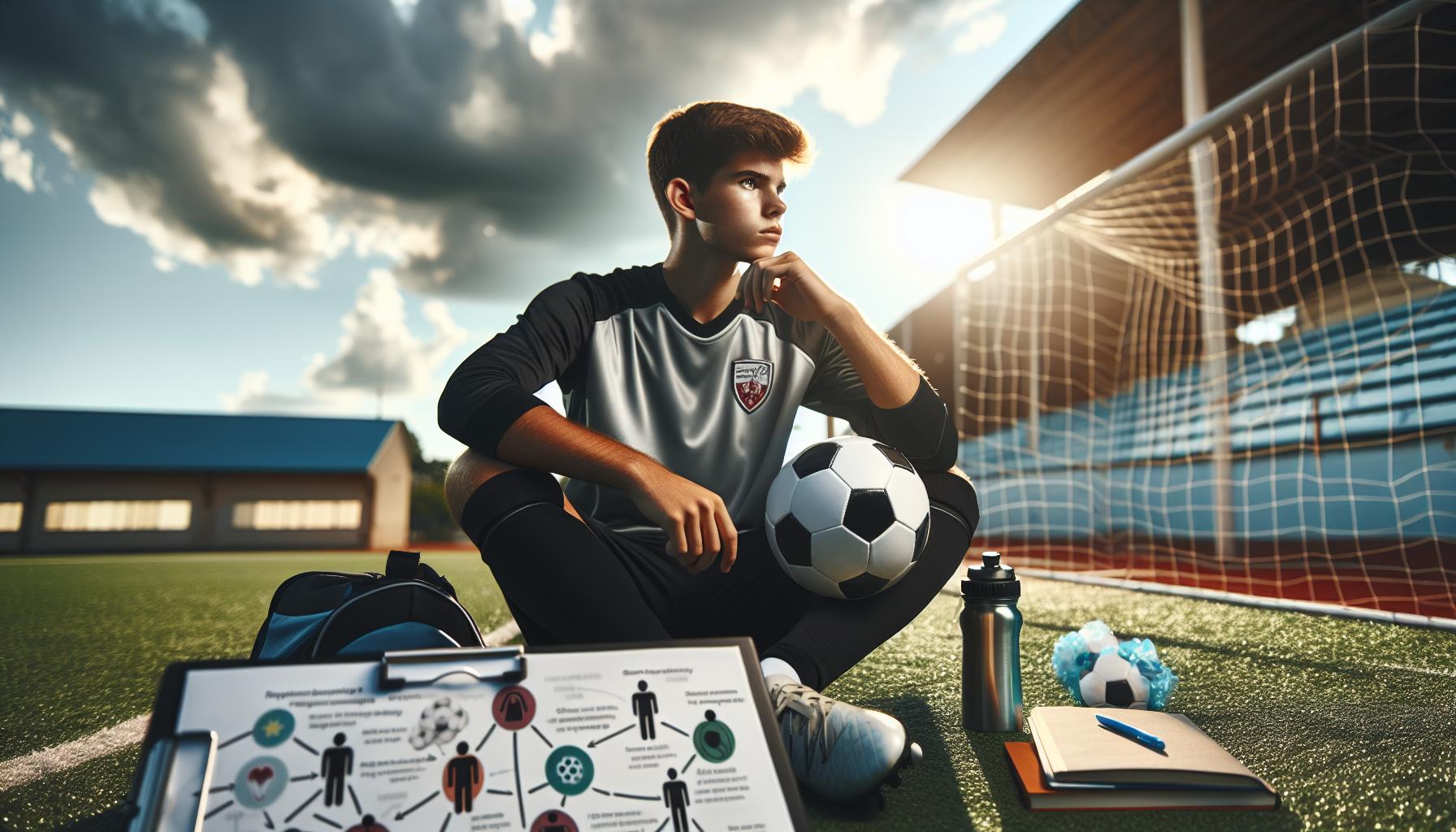
Building a Strong Mental Foundation for Soccer Confidence
Building a strong mental foundation is crucial for developing confidence in soccer. It lays the groundwork for how players deal with challenges, setbacks, and the pressures of the game. One indispensable truth is that mental resilience can often differentiate good players from great ones. Players who cultivate this resilience are more capable of managing their emotions, maintaining focus during intense moments, and bouncing back from mistakes.
To build this foundation, start by regularly engaging in reflective practices. Consider keeping a journal where you can document your feelings before and after practices and games. This can help you identify patterns in your emotional responses and recognize specific triggers for self-doubt. Additionally, identify core values and beliefs that empower you. For instance, embrace the idea that mistakes are part of the learning process and not a reflection of your worth or ability. This mindset shift can enhance your confidence over time.
It’s also essential to create a mental routine that reinforces positivity before stepping onto the field. Incorporating techniques like visualization can be incredibly effective. Imagine yourself executing skills and making plays successfully; this not only enhances your confidence but also prepares your mind for actual performance. Remember that each small step you take in building your mental strength contributes to a more confident self on the field. Engaging in discussions with teammates about shared struggles can further foster an environment of support. When players collectively navigate their challenges, they reinforce each other’s confidence and establish a culture of growth within the team.
Understanding the Importance of Mental Resilience
Mental resilience is the cornerstone of a confident athlete. It is the ability to rebound from setbacks, manage stress, and maintain focus amidst the ups and downs of competition. Soccer players face numerous challenges, from critical matches to injury recovery, and those who harness mental resilience tend to shine. This strength allows players to view obstacles as opportunities for growth rather than insurmountable problems, fostering a proactive rather than reactive approach in high-pressure situations.
Building mental resilience starts with self-awareness. Regularly reflecting on your experiences-both in training and during matches-can help you identify personal triggers and patterns in your performance. Consider maintaining a journal where you note not just the outcomes, but your feelings and thought processes during these events. Questions like “What did I learn today?” or “How did I cope with criticism?” can guide your reflections and help reinforce a growth mindset. This understanding will empower you to navigate tough times with a clearer perspective, making challenges feel less daunting.
Visualization is another powerful tool in developing resilience. Imagine yourself not just succeeding, but overcoming challenges-like missing a goal or facing a tough opponent. By picturing these scenarios vividly, you prepare your mind to handle them more effectively in real-life situations, significantly reducing anxiety. Regular practice can make this technique as natural as your soccer skills, enhancing your preparation and mental fortitude.
Remember, cultivating mental resilience is a journey. It requires consistent practice and the willingness to face discomfort head-on. Engage in open conversations with teammates about their experiences and coping strategies to build a supportive network. As you share your struggles and victories, you not only reinforce your own resilience but also contribute to a culture of courage and strength within your team. Start today by adopting small practices that foster this resilience, and you’ll find that your confidence on the field grows exponentially.
Practical Visualization Techniques for Success
Visualization isn’t just for artists; it’s a powerful tool that athletes, especially soccer players, can leverage to enhance their performance and build self-confidence. By mentally rehearsing various game scenarios, players can prepare themselves to face challenges with greater ease, ultimately improving their on-field decision-making and emotional resilience. Effective visualization techniques engage the mind and body, aligning them to work in harmony during critical moments of a match.
To begin with, consider creating a dedicated visualization routine. Find a quiet space where you can sit comfortably without distractions. Take a few deep breaths and envision not just the successes-scoring a goal or making a perfect pass-but also the challenges you might encounter, such as a tough opponent or a missed shot. Picture how you would respond in those situations. This process can help reduce anxiety by making the unexpected feel more familiar. It’s akin to rehearsing for a play; the more you practice your lines, the more confident you feel on opening night.
Another effective approach is to incorporate vivid sensory details into your visualizations. Instead of just seeing yourself play, imagine the sounds of the crowd, the feeling of the grass under your feet, and the energy of your teammates around you. This multisensory experience not only makes the visualization more realistic but also primes your body to respond to those sensations when they occur in real-game scenarios. Regular incorporation of these techniques can shift your mindset from fear of failure to an empowered state of readiness.
Moreover, maintaining a visualization journal can further solidify this practice. After each training session or game, jot down specific moments you want to visualize in the future. These could include scenarios where you handled pressure well or areas where you felt uncertainty. As you continue to visualize these moments, celebrate your progress, no matter how small. With time, the act of visualizing will not feel detached from reality but rather an integral part of your preparation, leading to heightened self-belief and performance confidence on the field.
Developing a Positive Self-Talk Routine
In the journey towards enhancing confidence on the soccer field, the power of self-talk cannot be overstated. In fact, the way you communicate with yourself can significantly shape your mindset, influencing not just your performance, but also your overall enjoyment of the game. Imagine stepping onto the pitch, surrounded by teammates and opponents alike; your internal dialogue can either bolster your confidence or sow seeds of doubt. Thus, is a crucial step in mastering the mental game.
- Identify Negative Speak: The first step is to become aware of your negative self-talk. Recording these thoughts in a journal or reflecting during practice can help you recognize patterns. Ask yourself, “What do I say to myself when I make a mistake?” Understanding these triggers is vital for change.
- Reframe Your Thoughts: Once you’ve identified negative self-talk, start reframing those thoughts into more positive, empowering phrases. For instance, instead of telling yourself, “I’ll never score,” change it to, “I am improving day by day and learning from my experiences.”
- Use Affirmations: Craft personalized affirmations that resonate with your goals. Phrases like “I am confident in my skills” or “I trust my intuition during matches” can be repeated during warm-ups or practices, reinforcing positivity.
- Visualize Success: Pair your positive self-talk with visualization exercises. Picture yourself executing successful plays and engaging with your teammates effectively. This combination enhances both belief and mental preparedness.
- Practice Regularly: Like any skill, positive self-talk requires practice. Consider setting reminders or dedicating specific times during your day to focus solely on uplifting your self-dialogue.
By making a conscious effort to transform your internal conversation, you cultivate a more supportive and constructive mindset. This practice fosters self-compassion and nurtures the resilience needed to face challenges on and off the field. Each encouraging word you give yourself builds a stronger foundation for authentic confidence, empowering you to perform at your very best when it matters most. Remember, is not merely a task-it’s a fundamental shift in how you perceive both your abilities and your potential in the beautiful game of soccer.
Overcoming Performance Anxiety in Matches
The feeling of anxiety before a match can be overwhelming, but understanding it is the first step towards overcoming it. Performance anxiety is a common experience among athletes, manifesting as nerves, doubt, and fear of failure. The good news is that there are effective strategies to transform that anxiety into focused energy that can enhance performance on the field.
One practical approach to managing anxiety is to develop a pre-match routine that fosters a sense of control and familiarity. This can include engaging in relaxation exercises, such as deep breathing or progressive muscle relaxation, which help calm the mind and body. For instance, taking a few moments before stepping onto the field to inhale deeply through the nose, hold the breath for a few seconds, and exhale slowly can ground you and replace anxiety with focus.
Another vital technique is to reframe your mindset by shifting your perspective on anxiety. Recognize that some level of nervousness is a natural and even helpful response, signaling that you are invested in the outcome. Instead of viewing anxiety as a barrier, see it as a sign that your body is gearing up for performance. This cognitive shift can alter your physiological reaction, allowing you to embrace the adrenaline rush instead of fearing it.
Visualization is also a powerful tool to combat performance anxiety. Prior to the match, spend time visualizing yourself succeeding: executing perfect passes, scoring goals, or celebrating with your teammates. This technique not only prepares your mind for what you want to achieve but also helps instill a sense of confidence and familiarity with successful outcomes. Pair this with positive affirmations during your mental rehearsal, such as “I am prepared and capable” or “I trust my skills,” to reinforce a confident and self-assured mindset.
Finally, fostering strong connections with teammates can significantly ease performance anxiety. Sharing your feelings with those around you can help normalize your experiences and create a supportive environment. Encourage each other, share strategies, and celebrate small victories together. This camaraderie builds collective confidence and creates a safe space where everyone can perform at their best, minimizing the pressure of individual performance.
Utilizing these strategies can not only help in managing anxiety but also empower you to transform that energy into motivation. Remember, overcoming performance anxiety is a skill developed over time, and with patience and practice, you can cultivate a mindset that embraces challenges and thrives under pressure.
Setting Achievable Goals to Boost Confidence
Setting achievable goals is one of the most powerful ways to nurture and boost your confidence on the soccer field. When you establish concrete and realistic objectives, you create a roadmap for success that fosters a sense of accomplishment with each milestone you reach. This method not only enhances your self-esteem but also instills a growth mindset that embraces challenges rather than shying away from them.
To effectively set goals, begin by employing the SMART criteria: make sure your goals are Specific, Measurable, Achievable, Relevant, and Time-bound. For example, instead of vaguely stating you want to be a better player, a SMART goal might be, “I will improve my passing accuracy by 20% in the next two months through dedicated practice sessions and feedback sessions with my coach.” This clear structure helps to maintain focus and reduces feelings of overwhelm, as you can track your progress along the way.
Regularly reviewing and adjusting your goals is equally important. Celebrate your achievements, no matter how small, as these moments build a foundation of confidence. For instance, if your goal was to enhance your dribbling skills and you notice improved control over the ball in practice, acknowledge that progress. Conversely, if a goal proves too ambitious, re-evaluate it rather than abandoning it completely; adjust the expectations to make them more manageable, which reinforces a realistic perspective on growth.
Lastly, don’t underestimate the power of sharing your goals with teammates or coaches. This not only creates a support network but also fosters accountability, urging you to stay committed to your journey. Whether it’s through team meetings or casual conversations, vocalizing your ambitions can galvanize both personal motivation and collective encouragement. As you reach these milestones, you’ll find your confidence growing, ultimately enhancing your performance on the field and enriching your overall soccer experience.
The Role of Team Dynamics in Self-Confidence
Building strong self-confidence in soccer often extends beyond individual achievements; it deeply intertwines with the dynamics of the team. Team members play a crucial role in shaping each other’s perceptions and self-beliefs. A positive and supportive environment can foster personal growth, allowing players to step outside their comfort zones and take risks with the assurance that their teammates have their backs. Conversely, negative dynamics can trigger self-doubt and anxiety, underscoring the importance of cultivating a healthy team culture.
Effective communication is a central pillar of strong team dynamics. By encouraging open dialogue, players can share their thoughts and feelings, which helps to build trust and understanding among teammates. Engaging in regular team meetings or informal gatherings can create a sense of belonging that bolsters self-esteem. Whether it’s through celebrating small successes or sharing constructive feedback, this communication allows players to recognize their value within the team and boosts confidence collectively.
Moreover, mentorship within the team can profoundly impact individual self-belief. Veterans can take newer players under their wing, offering guidance and support that fosters a sense of security and belonging. As younger players learn the ropes and see their skills improve under the mentorship, they begin to internalize a stronger sense of capability. This not only enhances their performance but also contributes to a culture where every member feels empowered and valued.
Team activities that focus on collaboration rather than competition can also enhance self-confidence. Engaging in exercises that require teamwork and strategy shifts the focus from individual performance to collective success, allowing players to evaluate their contributions in a different light. For instance, participating in team-building activities-such as group training sessions or fun off-field outings-can strengthen bonds and help players feel more integrated and appreciated in the squad.
Ultimately, developing self-confidence in soccer through team dynamics involves creating a nurturing atmosphere where each member feels safe to express themselves and grow. By intentionally fostering these connections and supporting each other, players can overcome self-doubt and thrive on the field together.
Strategies for Handling Criticism and Setbacks
Navigating criticism and setbacks is an inevitable part of any athlete’s journey, yet how one responds can significantly impact their overall confidence. Understanding that criticism is often an opportunity for growth rather than a reflection of your worth can be transformative. Embracing a growth mindset-that is, viewing challenges as opportunities to improve-can bolster your resilience on and off the field. Whether it’s missing a crucial penalty kick or receiving feedback from a coach, the key is to shift your perspective and use these experiences to fuel your development.
One effective strategy for handling criticism involves actively seeking constructive feedback. Instead of shying away from assessment, invite your coach or teammates to give you insights on your performance. This not only demonstrates a willingness to improve but also allows you to clarify what aspects need focus. When receiving feedback, ask yourself: What can I learn from this? This simple shift in thinking can transform feelings of inadequacy into a proactive desire for self-improvement.
Additionally, it’s essential to develop a routine for processing setbacks. When faced with a disappointment, take a moment to reflect. Consider journaling your feelings to articulate thoughts that overwhelm you, which can help in reframing your narrative. Focus on the specific actions you can take to address the setback. For example, if your passing accuracy is criticized, set a goal to dedicate time to practice those skills specifically. Establishing a structure for turning setbacks into actionable plans provides a sense of control and empowerment.
Equally important is maintaining a strong support system. Surround yourself with teammates, coaches, and friends who uplift you, reminding you of your strengths. Engage in group discussions where everyone shares past setbacks and how they overcame them. This not only normalizes the struggle but also fosters camaraderie. As you witness others navigating their challenges, you begin to see that setbacks are a universal experience in sports and life, further diminishing the weight of such moments on your self-esteem.
Incorporating these approaches cultivates a resilient mindset and encourages continuous growth. With each handled setback, you not only strengthen your skills but also enhance your overall confidence, turning criticism into a stepping stone rather than a stumbling block. The journey toward mastery in soccer-and life-is paved with lessons that, when embraced, can lead to profound personal and athletic growth.
Mindfulness Practices for Enhanced Focus
In a sport as dynamic and fast-paced as soccer, maintaining focus amidst external pressures and internal doubts can be a game-changer. The practice of mindfulness has emerged as a powerful tool for athletes, helping them remain grounded, present, and confident during both training and competition. By integrating mindfulness strategies into your routine, you can cultivate a heightened awareness of your performance, leading to greater clarity of thought and an enhanced sense of control.
One effective approach to practicing mindfulness is through focused breathing. This technique involves taking slow, deep breaths to center yourself before games or high-pressure moments. Start by inhaling through your nose for a count of four, holding for three, and exhaling through your mouth for six. Repeat this cycle a few times, allowing your mind to clear and your body to relax. As you breathe, visualize your upcoming performance; imagine executing key plays with confidence and ease. This not only calms anxiety but also strengthens your mental imagery, making it easier to access this state during matches.
Another impactful mindfulness technique is body scanning, which helps you develop awareness of physical sensations and tension in your body. Before practice or a match, take a few moments to mentally scan your body from head to toe, paying attention to areas of tension or discomfort. Focus on relaxing these areas, visualizing the tension melting away. Over time, this practice enhances your ability to recognize when you’re physically or mentally stressed during a game, allowing you to respond swiftly and maintain your composure.
Incorporating mindful movement into your training can further enhance your focus. Engaging in exercises like yoga or tai chi can help cultivate a connection between your mind and body, promoting balance and coordination on the field. These practices encourage you to be present in your movements and can translate into better body awareness during gameplay, helping you react and adapt quickly to changing situations on the pitch.
Through consistent practice of these mindfulness techniques, you’ll find that focusing becomes more intuitive, leading to improved performance and greater confidence in your abilities. Remember, integrating mindfulness is not just about enhancing performance; it’s about nurturing a resilient mindset that embraces each moment, reducing self-doubt and allowing you to shine both on and off the field.
Incorporating Movement and Physical Preparation
In the realm of soccer, movement and physical preparation are crucial elements that not only enhance performance but also build confidence. A well-structured warm-up routine can set the tone for a successful practice or game, helping athletes feel more in control of their bodies and their abilities. Engaging in a systematic approach to physical preparation can greatly reduce anxiety, as it allows players to channel their energy into productive motions rather than allowing nerves to take over.
One effective strategy for incorporating movement into your routine is to establish a comprehensive warm-up regimen that includes both dynamic stretching and skill-specific drills. Consider including exercises such as high knees, butt kicks, and lateral lunges to increase your heart rate and loosen up your muscles. Following this, integrate ball control drills, like dribbling and passing exercises, which not only warm up your body but also immerse you in the rhythm of the game. This combination not only prepares you physically but also mentally, fostering a sense of readiness that can boost your confidence on the pitch.
Additionally, working on your agility through various movement drills can foster greater body awareness and responsiveness. Implement ladder drills, cone sprints, or shuttle runs into your training, focusing on quick directional changes and explosive movements. These exercises can build physical competence, which translates to improved confidence during matches. When players feel capable of executing their movements effectively, they are less likely to second-guess themselves, paving the way for a more assertive performance.
Lastly, consider the power of simulation during practice. Set up game-like scenarios where you can practice under pressure, mimicking actual match conditions. This not only prepares you physically but also mentally allows you to develop strategies for different situations you might encounter in a game. Engaging in such focused preparation can slowly diminish anxiety and instill a stronger belief in your abilities, enabling you to approach each match with the assurance that you are ready for anything the game throws your way.
By recognizing the vital connection between movement, physical preparedness, and mental fortitude, you can harness the power of your training to cultivate an authentic and unshakeable sense of confidence on the soccer field.
Building Confidence Through Game Preparation and Review
Approaching each game with confidence can be a game-changer for any player. One effective way to cultivate that confidence is through structured game preparation and reflective review. Engaging in thoughtful preparation not only equips you with the strategies to excel on the field but also reinforces your mental fortitude, allowing you to approach each match with an empowered mindset.
Start your game preparation by setting aside time to analyze both your forthcoming match and your performance from previous games. This can involve studying the strengths and weaknesses of your opponent, understanding your team’s game plan, and visualizing yourself executing successful plays. The act of visualizing success can evoke a sense of familiarity and control, reducing pre-game anxiety. Consider creating a checklist of specific goals for the match-whether it’s completing a certain number of passes, maintaining defensive integrity, or communicating effectively with teammates. Writing these down gives them weight and creates a sense of accountability to yourself.
After the game, take time to reflect on your performance critically yet compassionately. Journaling can be an effective tool for this. Write down what went well and areas where you can improve, but ensure you emphasize your successes and growth. This practice not only aids in cementing positive experiences but also helps you view setbacks as opportunities for growth rather than failures. Reflect on specific moments where you felt confident and why-was it due to your preparation, a piece of positive self-talk, or a supportive shout from a teammate? Understanding these patterns allows you to replicate them in future matches.
Integrating consistent game preparation and post-game review into your routine not only builds skills but also fosters a resilient mentality. By recognizing your improvements and embracing both the successes and learning experiences, you empower yourself with the belief that you have the tools to face any challenge on and off the field. This approach transforms your mindset, turns pressure into an opportunity for growth, and builds a foundation of confidence that will ultimately enhance your overall performance in soccer.
Creating a Supportive Environment for Growth
Creating a nurturing atmosphere can significantly impact players’ confidence, especially in a sport as dynamic and emotionally demanding as soccer. Surrounding yourself with positivity not only fosters self-belief but also cultivates resilience against the inevitable ups and downs experienced on the pitch. This supportive environment involves more than just those you play with; it extends to coaches, family, and friends, all playing crucial roles in shaping your mental game.
To build this environment, start by actively engaging with your team members. A strong bond among players can enhance mutual trust, allowing individuals to perform their best without the fear of judgment. You might hold team meetings where everyone shares their goals and aspirations, creating a space where vulnerability is not just welcomed but celebrated. Encourage open conversations about challenges faced on and off the field; fostering this sense of community can transform pressure situations into opportunities for learning and growth.
Additionally, consider establishing mentorship or buddy systems within your team. Pairing experienced players with newer members can help cultivate a culture of support. For instance, the seasoned player can share techniques for overcoming performance anxiety or the importance of maintaining a positive self-talk routine. This not only empowers the newcomer but also reinforces the veteran’s confidence and sense of purpose. Such interactions create a safety net where players can express doubts, ask for advice, and celebrate each other’s successes.
Moreover, the role of coaches cannot be understated in this collaborative effort. When coaches provide constructive feedback rather than criticism, they help players view challenges as opportunities for development, boosting their self-esteem. A simple yet effective practice is to start each team meeting by acknowledging individual and collective achievements, reinforcing a culture of recognition. This practice not only uplifts the players but also creates a strong motivational foundation that underpins their confidence during matches.
In summary, curating a supportive environment involves collaboration, mentorship, and constructive feedback. Engage wholeheartedly with your peers, share your goals, and actively nurture connections. This environment of encouragement will unlock authentic self-belief and resilience, essential for thriving in soccer and beyond.
FAQ
Q: How can visualization techniques improve my confidence in soccer?
A: Visualization techniques can enhance your soccer confidence by allowing you to mentally rehearse skills and game scenarios, helping you feel more empowered during actual play. Create vivid mental images of successful performances and use them as a motivational tool. Refer to “Practical Visualization Techniques for Success” in the article for detailed methods.
Q: What role does mindfulness play in building confidence in soccer?
A: Mindfulness enhances focus and reduces anxiety, allowing you to stay present in matches. By practicing mindfulness, you can block out distractions and cultivate a calm mindset, which is crucial for performance. Explore “Mindfulness Practices for Enhanced Focus” in the article for specific exercises you can incorporate.
Q: How can I overcome performance anxiety before a match?
A: To overcome performance anxiety, practice breathing techniques and positive affirmations before your match. Grounding exercises can also help anchor your thoughts in the moment. For additional strategies, refer to the section on “Overcoming Performance Anxiety in Matches.”
Q: What daily habits can boost my confidence in soccer?
A: Establishing a routine that includes goal-setting, self-reflection, and physical training can significantly increase your confidence in soccer. Incorporate these habits into your daily life to see improvements in your performance. The article suggests ways to set achievable goals for effective confidence building.
Q: How does team support affect my confidence in soccer?
A: Team support plays a vital role in enhancing self-confidence. Positive interactions and encouragement from teammates can boost your morale and performance. Engage with your team regularly to foster a supportive environment, as highlighted in “The Role of Team Dynamics in Self-Confidence.”
Q: Why is self-talk important for confidence in soccer?
A: Self-talk helps shape your mindset and can either uplift or diminish your confidence. Using positive self-talk can reinforce your abilities and encourage resilience in challenging situations. For effective self-talk strategies, refer to “Developing a Positive Self-Talk Routine” in the article.
Q: How can I set effective goals to increase my soccer confidence?
A: Setting SMART (Specific, Measurable, Achievable, Relevant, Time-bound) goals can help clarify your focus and measure your progress in soccer. This structured approach ensures that your goals are realistic, enhancing your confidence as you achieve them. The section on “Setting Achievable Goals to Boost Confidence” offers detailed guidance.
Q: What strategies can help me deal with criticism in soccer?
A: To handle criticism, view it as constructive feedback rather than a personal attack. Embrace a growth mindset, focusing on what you can learn and improve. The article’s “Strategies for Handling Criticism and Setbacks” section provides further insights on maintaining confidence in the face of criticism.
In Summary
As you wrap up your journey towards mastering confidence in soccer, remember that the mental game is just as crucial as the physical one. By implementing the strategies we’ve discussed, you’ll not only elevate your performance on the field but also enhance your overall self-belief. Don’t wait to put these techniques into action-start today by setting small, achievable goals to build your confidence step-by-step.
For further guidance, explore our articles on overcoming performance anxiety and mental resilience techniques, which offer practical exercises to reinforce your growth. Also, consider subscribing to our newsletter for ongoing support and resources tailored to boost not only your soccer skills but your entire mindset. Join our community of passionate athletes, share your experiences, and engage with like-minded individuals on their quest for mental mastery. Keep pushing forward-authentic confidence awaits!