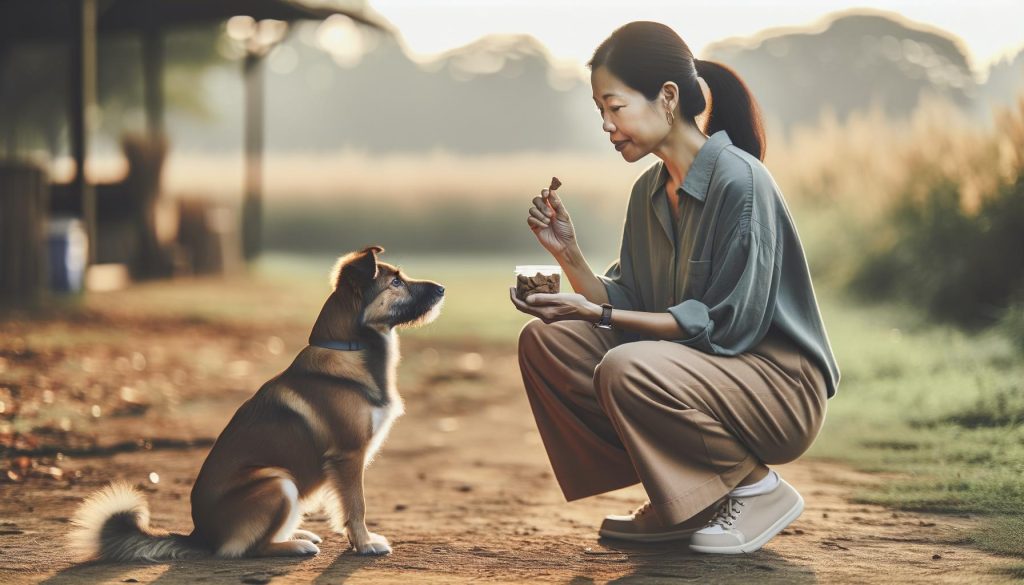
Did you know that a dog’s confidence can significantly affect their behavior and overall happiness? Just like people, dogs can struggle with self-esteem, resulting in anxiety and fearfulness. Helping your furry friend build confidence is crucial not only for their mental well-being but also for your relationship with them. In this guide, we’ll explore practical techniques to boost your dog’s confidence, encouraging them to face new experiences with enthusiasm rather than fear. By understanding their needs and implementing specific strategies, you can foster an environment where your dog feels secure and valued. Dive into our actionable tips to transform your timid pup into a self-assured companion, and watch how their newfound confidence enhances every adventure you share together.
Understanding Your Dog’s Confidence Levels
Understanding a dog’s confidence levels is essential for fostering a supportive environment where they can thrive. Much like humans, dogs display various signs of confidence, which can greatly influence their behavior and interactions with the world around them. Understanding where your dog stands in terms of confidence allows you to tailor your approach to their individual needs, helping them grow into a more secure and happy companion.
Confidence in dogs can be observed through their body language and behavior. A confident dog tends to exhibit an upright posture, engage playfully, and approach new situations with curiosity. Conversely, a dog displaying low confidence may have a hunched posture, avoid eye contact, and show hesitation in unfamiliar settings. It’s important to recognize these signs early, as they can be detrimental if not addressed. For instance, a dog that is fearful of new experiences may be more prone to anxiety and stress, impacting their overall quality of life.
To nurture confidence in your dog, consider engaging in activities that encourage exploration and positive experiences. Gradual exposure to varied environments-such as different parks, meeting new people, and encountering other dogs-can be beneficial. Using positive reinforcement techniques, like treats and praise when your dog exhibits brave behavior, can reinforce their confidence. Implementing structured routines also helps your dog to predict and feel secure about their daily experiences. Over time, through your support and encouragement, your furry friend can learn to face challenges with greater assurance, leading to a more fulfilling life.
The Importance of Building a Happy Dog
Building happiness in your dog is a vital component of fostering confidence. A joyful dog is not only more resilient in the face of challenges but also better equipped to explore their environment with curiosity and enthusiasm. Happiness in dogs manifests in playful behavior, eagerness to learn, and a relaxed demeanor, which are all indicators of a high level of comfort in their surroundings. When dogs feel happy and secure, they are more likely to engage positively with both people and other animals, creating a ripple effect that enhances their confidence.
One practical method to cultivate happiness in your dog is through consistent positive reinforcement. Whenever your dog exhibits a behavior that contributes to their joy-like playing freely, following commands, or successfully interacting with other pets-reward them with treats and affection. This not only encourages repeat behavior but also builds trust in their own abilities. Furthermore, establishing a routine helps dogs feel secure; knowing what to expect reduces anxiety. Incorporate playtime, walks, and training sessions into their daily schedule to create a structure that prioritizes their happiness.
Equally important is engaging in stimulating activities that challenge their minds and bodies. This can include simple obedience training, interactive puzzle toys, or engaging in activities like agility training. These experiences not only provide mental stimulation but also encourage dogs to focus on tasks, helping them recognize their capabilities. When they succeed in these challenges, it further bolsters their self-esteem and encourages a positive outlook.
Lastly, never underestimate the power of companionship. Dogs are social creatures, thriving on connection with their humans and other animals. Regular playdates, outings, and dog parks can provide vital social experiences that contribute to their happiness and confidence. Remember, a happy dog is not just about making them feel good; it’s also about creating an empowering environment that nurtures their growth, fostering not only a bond with you but also enhancing their ability to navigate the world with confidence.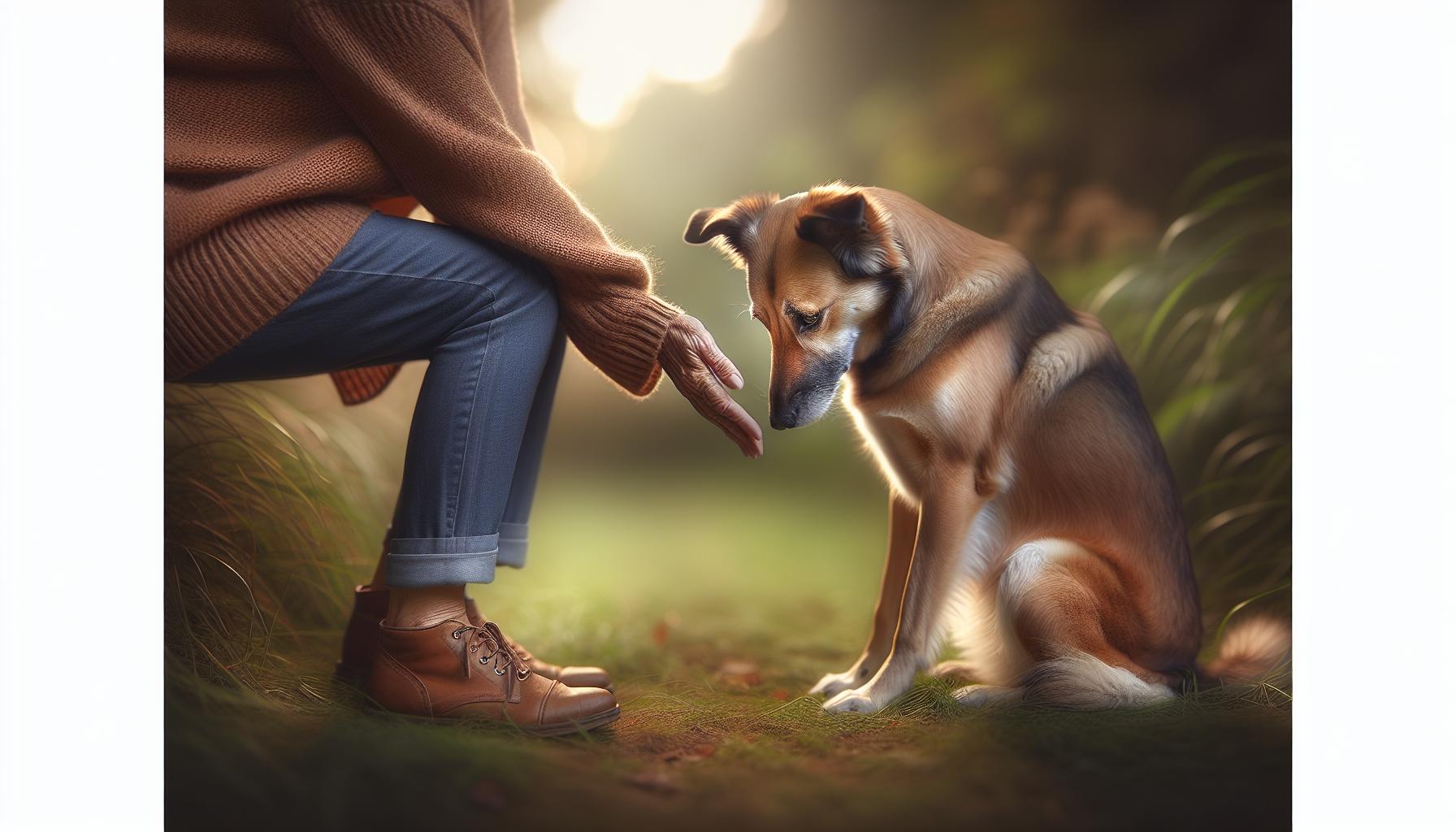
Signs of Low Confidence in Dogs
Recognizing the is crucial for helping them gain self-assurance and security in their environment. Dogs, like humans, can exhibit various behaviors that signal insecurity or anxiety. This understanding enables pet owners to take proactive steps towards creating a positive and uplifting atmosphere for their furry friends, transforming their lives for the better.
One major sign of low confidence is submissive behavior. Dogs may display this by avoiding eye contact, tucking their tails between their legs, or rolling over to expose their bellies. This vulnerable posture often indicates an attempt to appease or avoid conflict. Additionally, dogs with low confidence may exhibit excessive barking or whining. This vocalization often arises from fear or discomfort in response to unfamiliar situations or stimuli. Instead of expressing excitement or joy, their barking can be a cry for help, signaling distress.
Another indication is trembling or shaking, which can happen in dogs when they’re confronted with stressful scenarios. This physical manifestation of anxiety might accompany other body language cues, such as a lowered head or flattened ears. Furthermore, hesitation or reluctance to engage in normal activities, such as going for walks or approaching new people or animals, often points to an underlying lack of confidence. If your dog appears hesitant to explore its surroundings or needs extra encouragement to join the fun, it might be time to focus on boosting their self-esteem.
Building a trusting relationship through positive reinforcement can be incredibly effective in addressing these signs. Dogs thrive in environments where they feel safe and supported. Gradually introducing them to new experiences with patience and encouragement can help them overcome their fears. By creating a nurturing atmosphere and recognizing their unique needs, you can inspire growth and resilience, transforming their self-image and overall well-being.
Positive Reinforcement Techniques for Boosting Confidence
Positive reinforcement is a powerful strategy for bolstering your dog’s confidence. When you reward your dog for desired behaviors, you create a positive association that encourages them to repeat those actions. This method not only fosters trust between you and your furry friend but also helps them navigate their world more confidently. By using treats, praise, and playtime, you can ignite a flame of self-assurance that will shine through in all aspects of your dog’s behavior.
One effective technique involves utilizing high-value treats to encourage exploration and new experiences. For example, when introducing your dog to a challenging environment or a new situation, bring out the treats they love the most. As your dog approaches or engages with the new experience, reward them immediately with praise and a treat. This positive feedback loop will help reinforce their bravery and curiosity. Regularly practicing this sequence will gradually decrease their anxiety and increase their willingness to engage with previously intimidating scenarios.
Socialization is another critical area where positive reinforcement can boost confidence. Encourage your dog to interact with other pets and people by allowing them to observe from a distance before gradually moving closer. When they show calm behavior or curiosity, reward them with treats and affectionate praise. Creating a positive and non-threatening experience during socialization will aid in alleviating fear and anxiety, making them feel more secure in their social skills.
Lastly, make sure to balance challenges with achievable tasks. Set small, manageable goals for your dog, such as learning a new trick or navigating a new area in your home. Celebrate these achievements with enthusiasm by using high-pitched praise and energetic body language. This not only marks the accomplishment but also solidifies your dog’s belief in their abilities. Use each small win as a stepping stone, leading them towards greater confidence and self-esteem in the long run.
By employing these positive reinforcement techniques consistently, you can cultivate a strong foundation of confidence within your dog. Each rewarding experience they have will not only enhance their self-image but also strengthen the bond you share, creating a happier and more secure furry companion.
Fun Activities to Enhance Your Dog’s Self-Esteem
Engaging your dog in fun activities is not just about playtime; it’s a vital aspect of building their self-esteem and confidence. Dogs thrive on interactions that challenge them mentally and physically while allowing them to explore, learn, and grow. By incorporating enjoyable and rewarding experiences into your dog’s routine, you can cultivate a solid foundation of assurance and happiness.
One of the most effective ways to boost your dog’s confidence is through agility training. This activity involves teaching your dog to navigate a series of obstacles, such as tunnels, jumps, and weave poles. Start with simple tasks and gradually increase the difficulty as your dog improves. Celebrate each completed obstacle with enthusiastic praise or treats, reinforcing their sense of accomplishment and encouraging them to tackle more challenging courses. Not only does this improve physical fitness, but it also stimulates their mind and creates a positive bonding experience between you and your furry friend.
Another excellent way to enhance your dog’s self-esteem is through scent work. Dogs naturally have a powerful sense of smell, and allowing them to utilize this skill can be incredibly fulfilling. Start by hiding their favorite treats or toys around the house or yard and encouraging them to find them. Gradually make the hiding spots more difficult to access. This activity not only taps into their natural instincts but also boosts their confidence as they successfully locate the hidden treasures. Celebrating their finds with treats and praise will reinforce their success and encourage them to enjoy the task even more.
Finally, group classes or playdates can greatly enhance your dog’s social skills while building their confidence. By exposing your pup to other dogs and people in a controlled environment, they learn to navigate social interactions. Look for local training classes that emphasize socialization and provide encouragement and guidance. By observing other dogs and interacting in a friendly setting, your dog will gain confidence in their abilities and develop essential social skills. Reward calm behavior and interactions with treats and praise, creating a positive association with the experience.
Incorporating these activities into your dog’s routine not only helps boost their self-esteem but also enhances the bond you share. Through fun, engaging experiences that challenge and motivate them, you empower your furry friend to embrace their uniqueness and strengths. Whether through agility, scent work, or socialization, each opportunity for fun becomes a building block for their confidence and overall happiness.
Socializing Your Dog: Key Strategies for Success
Socialization is one of the most vital aspects of raising a confident dog. Dogs are social animals by nature, and their self-esteem often flourishes when they have multiple positive interactions with a variety of people, places, and other dogs. Proper socialization can transform a timid pup into a more confident and well-adjusted companion. To ensure successful social experiences, you can implement a few practical strategies.
First, start early and be consistent. If you have a puppy, the critical socialization window is between three and 14 weeks of age. During this time, expose your puppy to a wide range of environments, sounds, and scents. Keep these interactions positive and gradual, introducing new experiences one at a time. Even if your dog is older, it’s never too late to start. Create a routine where you consistently expose your dog to different scenarios while maintaining a calm and positive demeanor.
Structured Social Experiences
One effective method is to participate in trained group classes. These environments are designed to minimize stress and maximize positive interaction. Look for classes focused not just on obedience training but on social skills, where dogs learn to interact with one another under the guidance of a professional trainer. Reinforce good behaviors during these classes by rewarding your dog with treats or praise for calm interactions. Additionally, organize playdates with well-mannered dogs to expose your dog to different play styles while avoiding overwhelming situations.
Remember to monitor your dog’s body language during social interactions. Signs of stress, such as cowering, excessive barking, or trying to escape, indicate that your dog may need a break. By respecting your dog’s limits, you’re helping them build trust and comfort in social settings.
Presence in Different Environments
Another key strategy is to take your dog to various locations. Parks, pet-friendly stores, or even outdoor cafes can provide unique experiences. Allow your dog to engage with different surfaces, noises, and smells in a controlled manner. Encouraging exploration-such as grazing through grass or sniffing around a new area-will build their confidence and comfort level.
Importantly, provide consistent encouragement and praise during these outings. Use a happy tone when your dog reacts positively to new experiences, ensuring that these encounters are associated with happiness rather than fear. Over time, these small victories will accumulate, bolstering your dog’s confidence.
By prioritizing structured socialization and exposing your dog to diverse experiences in a supportive manner, you lay the groundwork for a confident companion. The road to enhancing your dog’s self-esteem is filled with opportunities for growth and connection, creating a happier and more secure atmosphere for both you and your furry friend.
Creating a Safe Space for Your Dog
Creating a nurturing environment is essential for enhancing your dog’s confidence and overall well-being. Just like humans, dogs thrive when they feel safe and secure in their surroundings. Establishing a safe space for your furry friend can significantly reduce anxiety, promote relaxation, and foster feelings of self-assurance. This space can be a specific area in your home or a secure spot in your yard where your dog can retreat whenever they feel overwhelmed.
To create an ideal sanctuary, start by identifying a quiet corner in your home that is away from noise, foot traffic, and distractions. This area can be simply furnished with their favorite bed or blanket, providing a soft and comfortable surface where they can rest. You might also consider adding a few of their cherished toys or a treat-dispensing puzzle to stimulate their mind positively. This inviting setup can encourage your dog to seek solace in this environment, especially during stressful moments.
Establishing Boundaries and Consistency
Clearly outlining boundaries is equally important in fostering a sense of security. Teach your dog that this space is their own haven by establishing consistent rules regarding when they can go to this area. Reinforce the idea that it’s a safe retreat where they can relax without feeling pressured by household activities. For instance, whenever your dog seeks out this safe space, offer them praise or treats, reinforcing its importance as a refuge.
Additionally, maintaining a regular routine can contribute to your dog’s comfort level. Dogs, particularly those with anxiety, are comforted by predictability in their daily lives. Incorporating daily quiet time, where your dog can retreat to their safe space, can help them understand that it is a place for relaxation and recharging.
Incorporating Soothing Elements
To create an even more calming atmosphere, consider incorporating soothing elements such as soft music or white noise, which can mask sudden, startling sounds. There are also specialized products available, such as anxiety wraps or pheromone diffusers, which can help to further enhance your dog’s sense of calm in their designated space.
Allowing your dog to have some control over their environment can significantly boost their confidence. Encourage your dog to use their safe space whenever they need it. This practice will help them feel empowered, as they recognize that they have a choice regarding where they feel comfortable and safe. In doing so, you are not only providing them with a personal sanctuary but also reinforcing their self-esteem and emotional resilience.
Creating a dedicated safe space for your dog is a powerful step towards building their confidence. By offering a consistent, calming environment with established boundaries, you nurture their sense of security and well-being, contributing to a happier, more confident furry friend.
Training Exercises to Build Dog Confidence
Engaging your dog in specific training exercises can be transformative, not just in teaching them commands but in significantly boosting their confidence. When dogs are equipped with skills and knowledge, they often feel more secure in their environment, alleviating anxiety and fostering a sense of achievement. This process begins with understanding that confidence is cultivated through positive experiences and gentle encouragement.
One effective exercise is the “Confidence Course”. This can be set up in your backyard or even indoors using simple household items like cushions, chairs, and boxes. Create a small obstacle course that requires your dog to navigate various challenges-jumping over a low barrier, crawling under a table, or weaving through chairs. Use treats and verbal praise to encourage them as they complete each task. Start small and gradually increase the difficulty as your dog gains confidence, celebrating each accomplishment with enthusiasm.
Another useful technique is “Target Training.” This exercise involves teaching your dog to touch a target with their nose or paw. To begin, hold a treat in your hand, then guide your dog to touch it and reward them immediately. Once they grasp the concept, extend the distance by using a designated target, like a stick or a specific object. This exercise is not only mentally stimulating but also helps your dog learn that they can achieve tasks independently.
Incorporating socialization opportunities into training routines is also pivotal. Arrange playdates or controlled interactions with other dogs, ensuring that experiences remain positive and stress-free. Use the presence of friendly dogs to help your pup gain confidence by rewarding them when they engage or play well. Being around other canines can teach dogs acceptable social behaviors, which enhances their comfort in various situations.
To reinforce skills and keep the training engaging, utilize play-based learning. Activities like hide-and-seek, where you hide treats or toys for your dog to find, help reinforce their problem-solving skills while adding an element of fun. This not only builds their confidence in navigating their environment but also strengthens the bond between you and your furry friend.
Every successful exercise nurtures a sense of achievement in your dog. As they learn to trust their abilities and your guidance, you’ll witness a budding self-assurance that radiates through their behavior. Celebrate each milestone, no matter how small, as it’s a stepping stone towards a more confident and happy companion.
Using Playtime to Improve Your Dog’s Mood
Engaging your dog in playtime isn’t just a fun way to pass the time; it’s a powerful tool for improving their mood and boosting confidence. Just like humans, dogs benefit tremendously from activities that stimulate their senses and allow them to express themselves naturally. Playtime creates joyful moments that can lead to positive behavioral changes and reinforce a strong bond between you and your furry friend. Dogs that play regularly often exhibit enhanced problem-solving skills and emotional resilience.
To enrich your dog’s playtime experience, consider activities that challenge them physically and mentally. Games like fetch or tug-of-war not only burn energy but also encourage teamwork and healthy competition. Incorporating toys that promote interaction, like treat-dispensing puzzles or squeaky toys, can further engage their mind and enhance their confidence as they learn how to manipulate objects in their environment. Visiting dog parks or safe open spaces allows your dog to explore and socialize, which is vital for their emotional well-being.
Creative Play Ideas
- Hide and Seek: This classic game isn’t just for kids. Hide somewhere in your home and call your dog. Reward them with treats and praise when they find you, fostering their problem-solving abilities and reinforcing their connection with you.
- Obstacle Courses: Set up a mini agility course in your yard using items like cones, jumps, or tunnels. As your dog navigates through the various challenges, they’ll gain confidence in their physical capabilities.
- Interactive Toys: Utilize interactive playthings that require your dog to think and engage. Treat balls and puzzle games can keep them busy while enhancing their confidence in figuring out how to get to their rewards.
Remember, the goal of playtime is to create an atmosphere of joy and exploration. Celebrate your dog’s achievements, no matter how small, and encourage them during play. Whether they succeed in retrieving a toy or simply enjoy a good game of tug, it’s essential that they feel loved and appreciated. This nurturing approach builds a strong foundation of trust and esteem, ultimately contributing to a more confident and happy companion. Through consistent play and positive reinforcement, you can help your dog bloom into a more self-assured and emotionally secure member of your family.
Overcoming Fear and Anxiety in Dogs
Fear and anxiety can significantly undermine a dog’s confidence, making them hesitant and fearful in various situations. It’s essential to understand that these emotional responses are rooted in instinct, often stemming from past experiences or inadequate socialization. Helping a dog overcome fear requires patience, consistency, and a strategic approach. By providing your dog with a safe and supportive environment, you can help them navigate their fears and build resilience.
Start by identifying the specific triggers that cause fear or anxiety. Common triggers include loud noises, unfamiliar people, or being in crowded places. Once these triggers are identified, gradually expose your dog to them in a controlled manner. This technique, known as desensitization, should be done slowly, allowing your dog to observe the trigger from a safe distance while remaining relaxed. As they become more comfortable, gradually decrease the distance or intensity of the stimulus. Pair these experiences with positive reinforcement, such as treats or praise, to create a positive association with the previously feared situations.
Another effective strategy is to use counter-conditioning to change your dog’s emotional response. For example, if your dog is anxious around strangers, ask a friend to help. Allow the friend to offer treats while remaining at a distance until your dog feels more comfortable. Over time, as your dog realizes that new people can also bring positive experiences, their anxiety will diminish. Additionally, be mindful of your own reactions; dogs often pick up on their owner’s emotions. Remaining calm and confident when faced with your dog’s fears can bolster their sense of security.
Incorporating relaxation techniques can also be beneficial. Teaching your dog to settle on command can create a sense of calm and provide them with a safe mental space. Techniques such as deep pressure therapy, where you gently apply pressure to your dog’s body, can help soothe them during anxious moments. Ensuring your dog has a designated safe space, such as a crate or a quiet room, where they can retreat when feeling overwhelmed is crucial. This sanctuary can help your dog feel secure and less anxious in challenging environments.
Finally, consistent training and socialization play vital roles in boosting confidence. Engage your dog in regular training sessions using positive reinforcement to reinforce desired behaviors. Enroll in classes that focus on socialization with other dogs and people; these interactions are invaluable in helping your dog build confidence. Remember, the journey to overcoming fear and anxiety is gradual. Celebrate small victories along the way and be patient as your furry friend learns to trust themselves in the world around them. Each step taken together enhances their confidence and resilience, leading to a happier and more secure companion.
The Role of Nutrition in Dog Confidence
Nourishment plays a critical role in shaping not only a dog’s health but also its emotional well-being and confidence. Just as humans may feel sluggish and less capable when their diet lacks essential nutrients, dogs can exhibit signs of insecurity and low self-esteem due to improper nutrition. A balanced diet rich in the right vitamins and minerals can provide dogs with the physical energy they need to explore their world and engage confidently with it.
A diet that includes high-quality proteins, healthy fats, and essential vitamins supports cognitive function and mood regulation. For instance, omega-3 fatty acids found in fish can help reduce anxiety, while the amino acid tryptophan – often found in turkey – plays a vital role in serotonin production, helping to elevate mood. Incorporating a variety of fresh fruits and vegetables can also contribute to emotional stability. Think of foods like blueberries and sweet potatoes, which are packed with antioxidants that protect against stressors that might otherwise lead to apprehension and fear.
Choosing the Right Food
When selecting dog food, it’s crucial to look for recipes that are free from artificial additives and fillers. Opt for brands that prioritize whole ingredients and offer balanced nutrition tailored to your dog’s specific needs, whether they are a puppy, working dog, or a senior. Pay attention to the guaranteed analysis on the packaging to ensure it meets the nutritional adequacy required for your pet’s age and energy levels.
Additionally, consider incorporating nutritional supplements that can help boost your dog’s confidence and overall health. Probiotics, for instance, can enhance gut health, which is linked to mental well-being. A healthy gut can positively affect mood and behavior, further empowering your dog to face new challenges.
Practical Steps for Boosting Your Dog’s Nutritional Health
To maximize your dog’s confidence through nutrition, consider following these steps:
- Consult with your veterinarian to develop a personalized nutrition plan.
- Feed high-quality commercial dog food or home-cooked meals enriched with whole foods.
- Monitor your dog’s weight and energy levels; adjustments might be necessary based on activity levels.
- Introduce new healthy foods gradually to avoid digestive upsets and observe their reactions.
By prioritizing nutritious meals and snacks, you not only support your dog’s physical health but also bolster their confidence, giving them the energy and mental clarity needed to engage with the world boldly. The connection between good nutrition and a happy disposition is powerful; empowering your dog through their diet can lead to a more confident, vibrant companion ready to take on new adventures.
How to Monitor Progress and Celebrate Success
Monitoring your dog’s progress towards greater confidence can be a rewarding journey. By celebrating small successes along the way, you not only make the experience more enjoyable for both you and your furry friend but also reinforce positive behaviors that contribute to building self-esteem. It’s important to keep a daily log or journal to track behavioral changes, noting specific instances where your dog shows an increase in confidence. For example, if your dog barks less at strangers or approaches a new toy with curiosity, these are milestones worth documenting. This practice not only helps you recognize improvements but also builds your own insight into their personality and preferences.
Engaging in regular assessments of your dog’s reactions in various situations can provide clear evidence of their development. Take note of their body language during social interactions or new experiences. Signs of a more confident dog include a relaxed posture, wagging tail, and willingness to explore. You might even create a simple checklist to gauge their response to challenges, such as walking past unfamiliar dogs or entering new environments. Review this checklist weekly; celebrate progress, no matter how small. For instance, if your dog now happily greets guests instead of retreating, mark that as a significant success.
Celebrating Success is equally important. Create a ritual for acknowledging achievements, which can include special treats, extra playtime, or even a cozy new bed. Ensure these rewards are meaningful and aligned with what your dog enjoys, making them eager to embrace new challenges. Remember, the goal isn’t just to foster confidence but to strengthen the bond between you and your dog through positive reinforcement.
Lastly, be patient and gentle with both your dog and yourself during this journey. Progress may not always be linear, and setbacks are a normal part of growth. By consistently monitoring advancements and celebrating accomplishments, you’ll create an uplifting atmosphere that encourages your dog to step beyond their comfort zone. Doing so lays the foundation for a more confident and joyful companion who feels secure in their environment and with you.
FAQ
Q: How can I tell if my dog is not confident?
A: Signs of low confidence in dogs include excessive fear of new environments, reluctance to approach unfamiliar people or dogs, and submission behaviors like cowering or avoiding eye contact. Monitoring these signs can help you address your dog’s confidence issues. For more insights, check the “Signs of Low Confidence in Dogs” section in your article.
Q: What activities can help boost my dog’s confidence?
A: Engaging your dog in fun activities such as agility training, playing fetch, or scent work can enhance their self-esteem. Encouraging exploration in safe environments also fosters confidence. Refer to the “Fun Activities to Enhance Your Dog’s Self-Esteem” section for more ideas.
Q: How does positive reinforcement improve my dog’s confidence?
A: Positive reinforcement builds your dog’s confidence by rewarding desired behaviors with treats, praise, or play. This helps dogs associate good experiences with challenges, encouraging them to try new things fearlessly. Learn more in the “Positive Reinforcement Techniques for Boosting Confidence” section.
Q: When should I be concerned about my dog’s confidence levels?
A: If your dog displays persistent anxiety, fear, or aggression, it’s time to consult a professional trainer or behaviorist. Early intervention is key to preventing serious behavioral issues. Advice on monitoring these behaviors can be found in your article.
Q: How important is socialization for a dog’s confidence?
A: Socialization is crucial for your dog’s confidence as it exposes them to various situations, people, and other animals, helping them become more adaptable and less fearful. For effective strategies, refer to the “Socializing Your Dog: Key Strategies for Success” section in your article.
Q: Can nutrition affect my dog’s confidence?
A: Yes, nutrition plays a vital role in your dog’s overall health and well-being, which can influence their confidence. A balanced diet contributes to better mood and energy levels. Check the “The Role of Nutrition in Dog Confidence” section for more details.
Q: What are the best training exercises to boost my dog’s confidence?
A: Training exercises such as ‘sit’, ‘stay’, and recall drills can significantly boost your dog’s confidence by helping them learn new skills. Consistency and patience are key. Explore the “Training Exercises to Build Dog Confidence” section for implementation tips.
Q: How can I create a safe space for my dog at home?
A: To create a safe space, designate a quiet area with comfortable bedding and toys, free from loud noises and interruptions. This sanctuary helps your dog feel secure, especially during stressful times. More strategies can be found in the “Creating a Safe Space for Your Dog” section of your article.
In Conclusion
Building your dog’s confidence is a journey that results in a happier, more resilient furry friend. Remember, every small step counts-consistent socialization, positive reinforcement, and engaging activities can transform your pup’s outlook. Don’t hesitate to apply the practical techniques discussed, and start fostering your dog’s self-esteem today!
Looking for more ways to enrich your dog’s life? Explore our related articles on canine training and dog health for additional insights. Want personalized advice? Sign up for our newsletter for expert tips and exclusive resources tailored to enhancing your dog’s well-being.
Your commitment to boosting your dog’s confidence not only strengthens your bond but also creates a more joyful environment for you both. Let’s empower our furry companions together! Share your thoughts or experiences in the comments below; we’d love to hear how you’re helping your dog thrive.