
Did you know that many dogs struggle with confidence, affecting their behavior and relationship with their owners? Just as we face our own insecurities, our pets can also feel uncertain in various situations, from meeting new people to exploring unfamiliar environments. Understanding pet psychology and fostering your dog’s confidence is crucial for their well-being and happiness. By creating a supportive environment and implementing specific strategies, you can help your furry friend transform into a more self-assured companion. This guide offers practical steps and insights into pet psychology, empowering you to nurture your dog’s confidence. Together, we can explore effective techniques to make both you and your dog feel more secure and fulfilled in each other’s company. So, let’s embark on this journey to build a stronger, more confident bond with our beloved pets!
Understanding Your Dog’s Confidence Levels
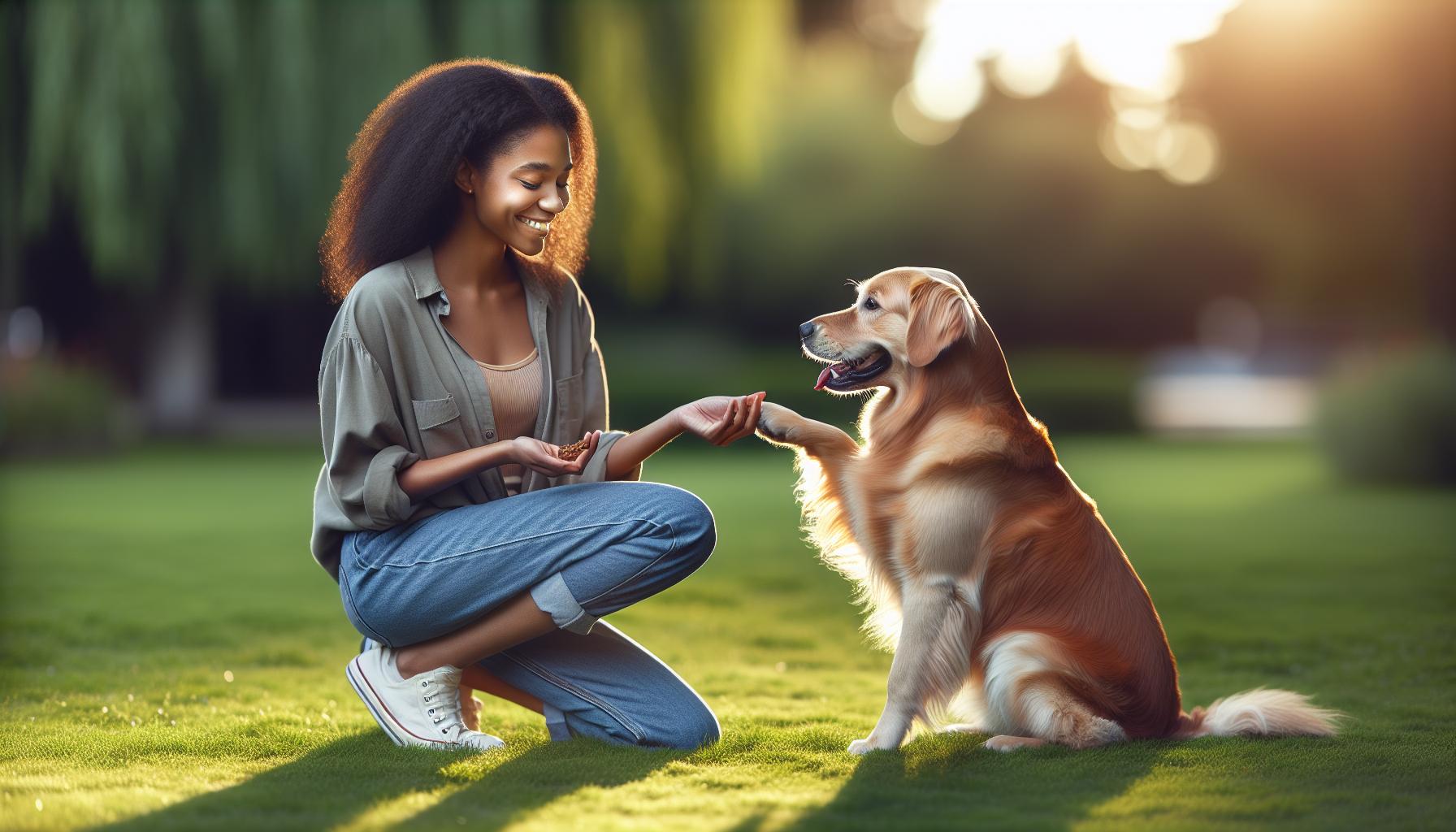
is essential for nurturing a thriving companionship. Just like humans, dogs exhibit a spectrum of confidence, which can heavily influence their behavior and interactions. This can range from a bold, eager-to-explore attitude, to timidity and shyness in unfamiliar situations. Recognizing where your dog falls on this spectrum can guide your training and socialization efforts, helping to cultivate resilience and self-assurance.
Factors contributing to a dog’s confidence include genetics, early socialization experiences, and current environments. For instance, a puppy raised in an enriched setting with varied exposures-like meeting different people, sounds, and environments-tends to develop more robust confidence levels. Conversely, a dog confined to a limited space or who experiences neglect or trauma may show fear, anxiety, or over-cautious behaviors. Paying attention to your dog’s responses in various situations is crucial; subtle signs like tail posture, ear positioning, and vocalizations can communicate how they feel.
Creating a supportive environment is paramount to fostering confidence. Begin by observing your dog’s reactions to different stimuli and learning what truly affects their comfort. Consider implementing gradual exposure techniques where you introduce them to new experiences at a pace they can manage. Through this understanding and gradual exposure, you can build a strong foundation of trust, helping your dog to thrive and explore their world more confidently. Emphasizing patience and consistent reinforcement can transform your dog’s outlook, nurturing a spirit of self-assuredness that enhances both their life and your shared experiences.
Common Causes of Dog Anxiety and Fear
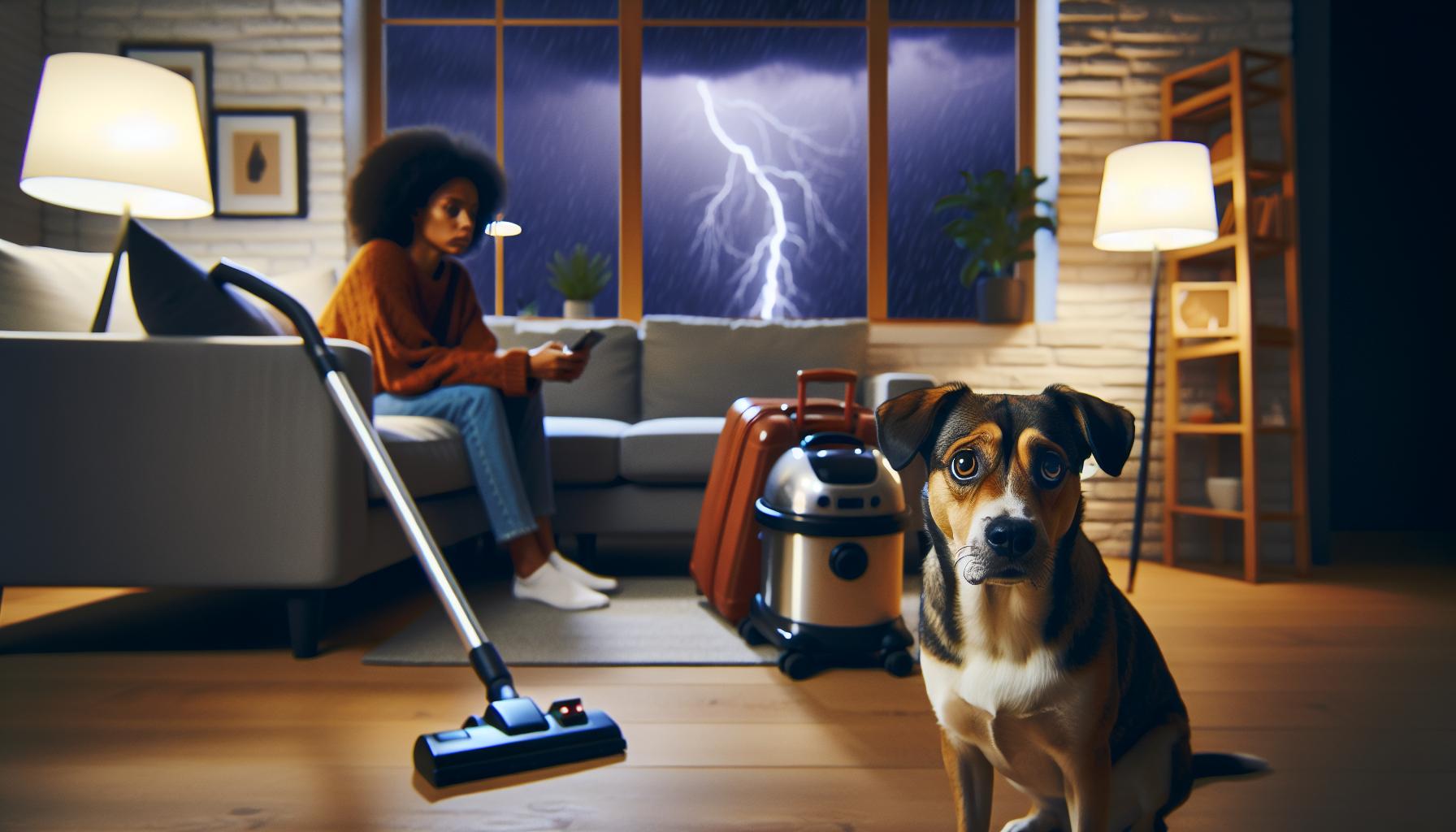
Many dog owners find themselves puzzled when their pets exhibit anxiety or fear. Understanding the root causes of these emotional responses is crucial for supporting your furry friend in building confidence. Factors such as genetics, early life experiences, and environmental conditions significantly contribute to a dog’s anxiety levels. For instance, dogs that have not been adequately socialized during their critical development stages may struggle to cope with new situations, leading to fearful reactions as adults.
Some common triggers of anxiety and fear in dogs include:
- Loud Noises: Many dogs are sensitive to loud sounds like thunder, fireworks, or even vacuum cleaners, which can induce panic.
- Change in Environment: A move to a new home, changes in the household, or alterations in routines can unsettle a dog’s sense of security.
- Negative Past Experiences: Dogs who have faced trauma, such as abuse or neglect, may develop long-lasting fear responses to specific stimuli related to those experiences.
- Health Issues: Physical discomfort or illness can lead to anxiety; a dog that is in pain may become fearful and withdrawn.
- Lack of Socialization: Dogs who haven’t been exposed to other animals, people, or various environments may react fearfully when encountering new experiences.
It’s important to address these underlying issues with empathy and understanding. Recognizing that each dog is unique and may react differently to various stimuli is vital. By observing and identifying your dog’s specific fears, you can implement tailored strategies to help them overcome anxiety and foster confidence. Empowering your dog through gradual exposure to their fears, coupled with positive reinforcement, will create a strong foundation for a more secure and self-assured canine companion.
Effective Techniques for Building Dog Confidence
Building confidence in your dog doesn’t happen overnight, but with consistent effort and positive techniques, you can transform your anxious pup into a more self-assured companion. Just like humans, dogs thrive on encouragement and supportive environments, so instilling confidence requires a thoughtful approach. One effective strategy is gradual desensitization; this involves slowly exposing your dog to environments or stimuli that typically provoke fear or anxiety. Start with mild exposures that are well within your dog’s comfort zone, and gradually increase the intensity as they begin to adapt positively.
Utilizing positive reinforcement is crucial. Reward your dog with treats, praise, or play when they face their fears or exhibit brave behaviors. For example, if your dog is nervous around new people, ask a friend to help by approaching slowly while you reward your dog with treats for remaining calm. This approach not only discourages fearful responses but also fosters an association between the previously intimidating stimulus and positive outcomes.
Socialization plays a significant role in building confidence. Regularly introduce your dog to a variety of new experiences, such as meeting different dogs, encountering diverse environments, or visiting public spaces. This exposure helps them learn to navigate the world confidently. Consider enrolling your dog in group classes or playdates, where they can interact with other dogs in a controlled setting, further enhancing their social skills and self-esteem.
Finally, establish a safe and routine environment to help your dog feel secure. Predictability in their daily schedule fosters a sense of stability, which is particularly comforting for anxious dogs. Make sure they have a designated safe space where they can retreat if they feel overwhelmed. Integrating these techniques into your routine can lead to noticeable improvements in your dog’s confidence, paving the way for a happier, more engaged companion.
The Role of Positive Reinforcement in Training

Building a confident dog is a journey that hinges significantly on the practice of positive reinforcement. This approach not only strengthens the bond between you and your dog but also plays a vital role in transforming their mindset from fear to confidence. By rewarding desired behaviors, we help our dogs associate specific actions or responses with positive outcomes, paving the way for a more secure and self-assured demeanor.
Positive reinforcement can take many forms, such as treats, verbal praise, or engaging playtime. The key is to identify what motivates your dog the most. For example, if your dog is hesitant around strangers, you can encourage confidence by instructing your friend to approach slowly and calmly. As your dog remains relaxed, reward them with their favorite treat or enthusiastic praise. Over time, this creates a consistent pattern where your dog learns that facing their fears can lead to rewarding experiences. This simple but effective method encourages dogs to engage with the world around them, reducing anxiety and fostering self-assuredness.
Steps to Implement Positive Reinforcement
- Identify Triggers: Take note of situations that cause uncertainty or anxiety for your dog.
- Set Up Scenarios: Create low-stress environments where you can gradually expose your dog to these triggers.
- Use High-Value Rewards: Choose treats that your dog loves, ensuring they are motivated to respond positively.
- Be Consistent: Each time your dog displays bravery or calmness, promptly reward them to reinforce the behavior.
- Gradually Increase Challenges: As your dog becomes more comfortable, slowly introduce more challenging scenarios while continuing to reinforce positive responses.
By consistently employing these strategies, you’ll not only help your dog tackle their fears, but you’ll also cultivate a supportive environment that nurtures their growth. As confidence builds, you may notice your dog becoming more engaged, curious, and eager to explore their surroundings, leading to a more fulfilling and enriching life together. Empowering your dog through positive reinforcement not only develops their confidence but also strengthens the bond you share, turning challenges into achievable accomplishments.
Socialization Strategies for a Confident Dog
Socialization is fundamental in building a confident dog, as it allows your pet to experience new environments, people, and other animals in a positive manner. A well-socialized dog not only becomes more adaptable but also displays better behavior in various situations. When your dog interacts with different stimuli, they learn to view the world as a safe and exciting place rather than something to be feared. The key is to make these experiences enjoyable and rewarding.
Start by exposing your dog to a variety of social situations gradually. This could include meeting calm, vaccinated dogs at a local park, attending organized puppy playdates, or visiting pet-friendly stores. During these interactions, be sure to monitor your dog’s body language. If they seem overwhelmed, take a step back and allow them to observe from a distance. This gradual exposure helps them associate positive feelings with new experiences.
Implementing structured socialization outings can also enhance your dog’s confidence. Create a schedule that includes regular social encounters, such as weekly trips to the dog park or monthly visits to dog-friendly events. Bring along high-value treats to reward calm behavior during these outings. For instance, if your dog is usually nervous around other dogs, reward them while they calmly observe their surroundings, allowing them to associate treats with positive interactions. This reinforcement can help shift their mindset over time.
Make socialization a fun, ongoing process rather than a chore. Encourage play with friendly dogs and engage in interactive activities such as agility classes or obedience training sessions that involve both social interaction and skill-building. These environments can foster not just confidence in unfamiliar situations, but also strengthen your bond as you both enjoy the journey together. Always celebrate small victories and be patient-every positive experience contributes significantly to your dog’s overall confidence.
Creating a Safe and Secure Environment
Creating a nurturing environment for your dog is crucial for fostering their confidence. When dogs feel safe, they are more inclined to explore their surroundings and engage in new experiences with a positive mindset. Imagine walking into a cozy, familiar room versus an unfamiliar, chaotic space-your dog perceives their world similarly. Establishing a safe haven empowers your dog to slowly shed their fears and embrace confidence-building activities.
To begin, designate a specific area in your home as your dog’s “safe space.” This could be a cozy corner with their bed, favorite toys, and a couple of comforting blankets. Consider using calming scents, such as lavender, which can create a relaxing atmosphere. Ensuring this area is free from loud noises and sudden disturbances will help your dog retreat to a sanctuary when they feel overwhelmed. Incorporating interactive toys can also keep their mind engaged while promoting relaxation.
Next, implement predictable routines. Dogs thrive on structure and knowing what to expect helps alleviate anxiety. Regular feeding times, daily walks, and scheduled play sessions contribute to a sense of stability. For instance:
- Morning Routine: Take your dog for a walk, followed by breakfast.
- Midday Activities: Short training sessions or playtime.
- Evening Wind Down: Calmly relax in their safe space with you.
Additionally, consider their response to external stimuli. If your dog gets anxious during specific events-like thunderstorms or fireworks-use sound-absorbing curtains or white noise machines to muffle the sounds. Gradually desensitize them to these occurrences through controlled exposure, paired with positive reinforcement, so they can learn to cope with stressful situations.
Lastly, be mindful of your own energy and responses. Dogs are incredibly perceptive, picking up on human emotions. Maintain a calm and reassuring demeanor, reinforcing their learning that they are safe and loved. This collective effort will transform their environment into a playground of security, ultimately nurturing their self-esteem and cultivating a confident companion ready to take on the world.
Games and Activities to Boost Dog Self-Esteem
Engaging your dog in fun, stimulating games and activities can significantly enhance their self-esteem and confidence. Just like humans, dogs gain a sense of accomplishment from mastering new skills or overcoming challenges. Transform playtime into an opportunity for growth by incorporating activities that encourage exploration, problem-solving, and positive interactions.
One effective way to boost confidence is through obstacle courses. Set up a simple course in your backyard or living room using household items like chairs for weaving, blankets for crawling under, and pillows for jumping over. Start small, encouraging your dog as they navigate the course. Celebrate their successes with praise and treats to reinforce their achievements. This not only improves their agility but also builds their trust in you and themselves.
Another great activity is hide-and-seek, which taps into your dog’s natural instincts while challenging them mentally. Begin by having your dog stay in one room while you hide somewhere else in the house. Call them once you’re hidden, and let them find you. This game underscores their ability to problem-solve and enhances the bond you share. Each successful find should be met with excitement and rewards, amplifying their confidence.
Incorporating interactive puzzle toys into your routine is also beneficial. These toys require dogs to figure out how to access treats, which encourages mental stimulation and boosts their problem-solving skills. Choose puzzles that are appropriately challenging for your dog’s age and breed; gradually increasing the difficulty as they succeed will help them feel accomplished and confident in their abilities.
Lastly, consider social playdates with well-mannered dogs. Positive interactions with peers can significantly improve your dog’s social skills and self-esteem. Monitor the play to ensure it remains friendly and controlled, allowing your dog to learn from others and experience the joy of companionship in a secure environment. By facilitating these playful interactions, you’re helping them build confidence and learn effective communication skills while fostering a sense of community.
Through these engaging games and activities, you support your dog’s journey towards becoming a more confident, self-assured canine companion. Each small victory builds on the last, gradually transforming any residual anxiety into a proud sense of mastery.
Recognizing and Rewarding Confident Behavior
in your dog is crucial in fostering an environment where they can thrive and grow. Just like humans, dogs flourish when they feel appreciated and validated. When you observe your dog displaying signs of confidence-such as exploring new environments, approaching unfamiliar people or pets, or responding positively to commands-it’s important to acknowledge these moments. Not only does this reinforce their brave behavior, but it also boosts their self-esteem, creating a positive feedback loop for future interactions.
To effectively recognize and reward your dog’s confident moments, consider the following approaches:
- Immediate Praise: The moment you notice your dog demonstrating confidence, offer enthusiastic praise. Your tone should be upbeat and encouraging, making it clear that they’ve done something great.
- Physical Rewards: In addition to verbal praise, use physical rewards like treats or a favorite toy to further motivate your dog. This tangible recognition can significantly impact their willingness to engage in confident behaviors.
- Positive Reinforcement Techniques: Employ training methods that focus on rewarding confident behavior. For example, if your dog successfully approaches you in a busy park, reward them immediately. This creates a strong association between the behavior and positive outcomes.
- Celebrate Small Victories: Recognize that confidence is often built gradually. Celebrate even the smallest steps toward confidence-whether it’s sniffing a new object or meeting new friends. Over time, these small victories contribute to a larger shift in their self-assurance.
It’s also vital to observe your dog’s body language while rewarding them. Look for signs of relaxation and comfort, such as a wagging tail, relaxed ears, or a soft gaze. If they appear tense or uncertain, adjust your approach to avoid overwhelming them. Utilizing these strategies not only encourages your dog to repeat confident behaviors but also strengthens the bond between you, fostering trust and security in their experiences.
By creating an environment where confident behavior is consistently recognized and rewarded, you are paving the way for your dog to develop a stronger sense of self-assurance. This supportive atmosphere empowers them to face new challenges head-on, transforming their natural curiosity into an adventurous spirit full of positivity and enthusiasm.
Using Body Language to Communicate with Your Dog
Understanding your dog’s body language is vital for effective communication and strengthening their confidence. Dogs express their feelings and intentions through their posture, tail position, ear orientation, and eye contact. By learning to interpret these signals, you can create a nurturing environment that promotes self-assurance and reduces anxiety. For instance, a dog with a wagging tail and relaxed posture is likely feeling secure and happy, while a dog with stiff body language, tucked tail, or flattened ears may be signaling fear or discomfort.
To enhance your dog’s confidence through body language, start by mirroring their relaxed demeanor. Stay calm and use soft, inviting gestures when interacting with your dog. For example, kneeling down to their level while softly speaking can prevent overwhelming them, especially in new or stressful situations. This form of non-verbal reassurance helps build trust, making your dog feel safer and more secure as they navigate their environment.
Another essential aspect is to be aware of your own body language. Dogs are highly attuned to the emotions of their humans. If you project anxiety or tension, your dog may pick up on these cues and mirror those feelings. Aim to remain relaxed; breathe evenly, keep your posture open, and make gentle eye contact. By presenting a calm and confident front, you foster a sense of safety, encouraging your dog to mirror your energy.
Utilize the power of consistency when communicating through body language. Establish clear, recognizable signals for commands, and pair them with verbal cues. For example, using a specific hand gesture for “sit” while saying the command can enhance their understanding and reinforce positive behaviors. Through repetitive positive reinforcement tied to your gestures, your dog will begin to associate confidence with your body language, solidifying their trust in both you and their own capabilities. This process empowers them to engage with their surroundings more boldly, nurturing their innate curiosity.
Professional Help: When to Consult a Dog Trainer
When navigating the journey of building your dog’s confidence, there may come a time when you feel overwhelmed or uncertain, and that’s perfectly normal. Accessing professional help can be a transformative step in not only enhancing your dog’s self-assurance but also enriching your bond with them. Consulting a skilled dog trainer can provide you with tailored strategies that cater specifically to your dog’s unique needs, helping to alleviate any anxiety or behavioral issues they may exhibit.
Recognizing the Signs
It’s essential to be attuned to your dog’s behaviors and signs of anxiety. If your pup displays persistent fear in social situations, struggles with basic commands, or exhibits aggressive tendencies, these are indicators that it’s time to seek professional assistance. A trainer can assess these challenges and guide you through customized behavior modification techniques to foster a more confident disposition in your furry friend.
The Benefits of Professional Guidance
Professional trainers bring a wealth of knowledge and experience that can significantly accelerate your dog’s confidence-building process. They often employ evidence-based techniques rooted in positive reinforcement, making the training enjoyable for your dog. Furthermore, trainers can help you develop a deeper understanding of your dog’s behavior, enhancing your ability to contribute to their psychological well-being.
- Structured Learning: Trainers can facilitate structured lessons that introduce effective cues and commands step-by-step, ensuring your dog learns in a supportive environment.
- Socialization Opportunities: A trainer can provide safe environments for your dog to socialize, crucial for building confidence and reducing fear of unfamiliar stimuli.
Additionally, if you find yourself feeling anxious about your interactions with your dog, remember that trainers can also work with you to improve your handling skills, fostering a more confident approach in both you and your pup.
Taking the First Step
To connect with a dog trainer, consider reaching out to local training schools, or even community groups focused on canine care. Many trainers offer introductory sessions, so you can find one that resonates well with your needs and values. Always look for trainers who emphasize positive reinforcement methods, as this approach not only builds confidence but also strengthens the trust between you and your dog.
Recognizing when to consult a professional not only empowers you as a pet owner but also sets the foundation for a long-lasting bond with your dog. By investing in their training, you are embarking on a rewarding journey that will benefit both of you, creating a happier, more confident companion ready to face the world together.
Evaluating Progress: Measuring Your Dog’s Confidence
Evaluating your dog’s progress in building confidence is not just about observing behavior; it’s about fostering an environment where growth can be recognized and celebrated over time. Keep in mind that each dog is unique, and their journey towards self-assurance will be distinct, often requiring patience and consistent effort from you. By putting in place specific measures to observe and document changes, you can create a benchmark for success that not only motivates you but also reinforces your dog’s development.
A practical starting point involves setting clear, observable goals based on the issues your dog faces. For instance, if your dog has shown fear around strangers, aim for small milestones such as allowing a friend to pet them or interacting calmly with a new person. Document these experiences in a journal. Note their reactions, any positive improvements, and the context of the encounters, as this will provide insight into gradual changes over time. Use a simple grading system, where you can rate your dog’s comfort level from 1 to 5 in various social situations, making it easier to visualize progress.
Creating a Progress Checklist
To streamline your evaluation process, consider using a checklist that highlights key areas of confidence and social skills. This could include aspects like:
- Response to unfamiliar sounds
- Interaction with new people or dogs
- Willingness to play new games
- General body posture (relaxed vs tense)
- Following commands in distracting environments
Assessing these areas regularly allows you to not only track progress but also adjust your training approach as needed. If you find consistent resistance in a specific area, it may signal a need to focus more intensively on that aspect, providing tailored attention to your dog’s anxieties.
Regular Reflection and Adjustment
As you evaluate your dog’s transformation, reflect on the techniques you’ve utilized and their effectiveness. Incorporate feedback from trainers or fellow dog owners into your journey. This collaborative perspective can enhance your understanding of your dog’s needs and encourage a supportive community atmosphere that enhances your confidence in handling challenges.
Importantly, celebrate the small victories. Each step forward, no matter how minor, is a testament to your dog’s evolving confidence. Acknowledging these achievements fosters additional motivation for both you and your pup, transforming the confidence-building journey into a shared adventure filled with joy and connection. By maintaining a consistent focus on evaluating progress, you create a nurturing environment where confidence can flourish.
Maintaining Confidence: Ongoing Support for Your Pup
Building and maintaining your dog’s confidence is an ongoing journey that requires your dedicated support and understanding. Just as people thrive in secure and nurturing environments, dogs also flourish when they feel safe and appreciated. One powerful approach to maintaining this confidence is through consistent and positive interactions that reinforce their self-esteem. Regularly engaging in activities that they enjoy not only enriches their daily life but also deepens the bond between you and your furry friend.
Start by creating an enriching routine filled with varied and fun activities that challenge your pup both mentally and physically. Incorporate regular walks in different environments, expose them to new experiences, or introduce them to new toys and games that stimulate their senses. For example, agility training can be not only fun but also a fantastic way for your dog to learn problem-solving skills while boosting their self-assuredness in navigating obstacles. Make sure to celebrate their achievements, big or small, to reinforce their sense of accomplishment and encourage further exploration and confidence building.
Another vital aspect of supporting your dog’s confidence is to maintain a stable and predictable environment. Dogs often thrive on routine, which helps them feel secure. Establish set times for feeding, walks, and play, and try to limit new experiences to those that feel manageable for your dog. Gradually introduce them to stimuli they might initially find overwhelming-from other dogs to loud noises-by pairing these experiences with treats and praise to create a positive association.
Building a Safe Space
Creating a physical and emotional safe space for your dog is essential. Provide a comfortable area where they can retreat when feeling anxious. This could be a quiet room, a cozy bed, or even a crate that serves as their safe haven. When your pup retreats to this space, it’s crucial to respect their need for solitude and allow them to decompress. Additionally, be attentive to their body language and signs of stress. Acknowledging their feelings creates a trusting environment and helps you adjust your interactions and the surrounding stimuli accordingly.
Finally, actively encourage socialization with a variety of positive experiences. This might mean arranging playdates with well-mannered dogs or attending training classes that promote positive interactions. Each new, rewarding encounter boosts your dog’s confidence and helps them learn how to navigate social situations. Consider taking their lead; if they are hesitant, allow them to approach new scenarios at their own pace.
By fostering an environment rich in support, security, and stimulating activities, you empower your dog to explore the world with confidence. Your ongoing commitment to maintaining their self-esteem not only enhances their quality of life but also strengthens your relationship, building a resilient, trusting partnership that lasts a lifetime.
FAQ
Q: How can I recognize signs of confidence in my dog?
A: You can recognize a confident dog by observing their body language. Look for relaxed posture, a wagging tail, and a calm demeanor in new situations. Confident dogs approach new experiences and people with curiosity rather than fear. Reference the section on Recognizing and Rewarding Confident Behavior in your article for more insights.
Q: What activities can help boost my dog’s confidence at home?
A: Engaging your dog in interactive games like hide-and-seek or agility exercises can significantly boost their confidence. These activities encourage problem-solving and physical challenges, reinforcing a sense of achievement. Check the Games and Activities to Boost Dog Self-Esteem for specific examples.
Q: Why is socialization important for my dog’s confidence?
A: Socialization helps your dog become accustomed to various environments, people, and other pets, which reduces anxiety and fear. It fosters positive experiences that contribute to their confidence. Explore the Socialization Strategies for a Confident Dog section for effective methods.
Q: When should I seek professional help for my dog’s confidence issues?
A: If your dog consistently displays fear or aggression, despite your efforts, it may be time to consult a professional dog trainer or behaviorist. Early intervention can prevent further issues. For more details, refer to the Professional Help: When to Consult a Dog Trainer segment of your article.
Q: What role does routine play in building a dog’s confidence?
A: Establishing a consistent routine helps dogs feel safe and secure, which is crucial for building confidence. Routine fosters predictability, reducing anxiety and uncertainty in their daily life. Check the Creating a Safe and Secure Environment section for more tips on routines.
Q: How does body language influence my dog’s confidence?
A: Your dog’s body language is a reflection of their confidence levels. By observing and responding to their cues, such as ears up or relaxed tails, you can foster a supportive environment that encourages confidence building. The Using Body Language to Communicate with Your Dog section offers further insights on this.
Q: Can nutrition affect my dog’s confidence?
A: Yes, proper nutrition plays a pivotal role in your dog’s overall health and well-being, which can influence confidence levels. A balanced diet supports energy and mood, making your dog more resilient to stress. Consider reviewing aspects of health and nutrition in your article to connect these concepts.
Q: How can I use positive reinforcement to enhance my dog’s confidence?
A: Positive reinforcement, such as treats and praise for courageous behaviors, encourages your dog to take risks in new situations. It helps them associate positive outcomes with challenging experiences, improving their confidence. Explore the Role of Positive Reinforcement in Training for in-depth techniques.
Key Takeaways
As you embark on this journey to boost your dog’s confidence, remember that small, consistent steps lead to transformative results. By understanding your pet’s unique needs and applying the tactics discussed, you’re investing in a happier, more secure companion. Don’t wait-start implementing these strategies today and witness the change!
For more tips on enhancing your dog’s well-being, explore our comprehensive guides on building a strong bond with your pet and understanding their behavior in different environments. Additionally, check out our collection of essential supplies and accessories that will support your confidence-building activities.
We invite you to join our community by signing up for our newsletter for exclusive insights and updates that will help you strengthen your relationship with your furry friend. Your journey toward a more confident dog begins now; let’s make it a rewarding adventure, together!