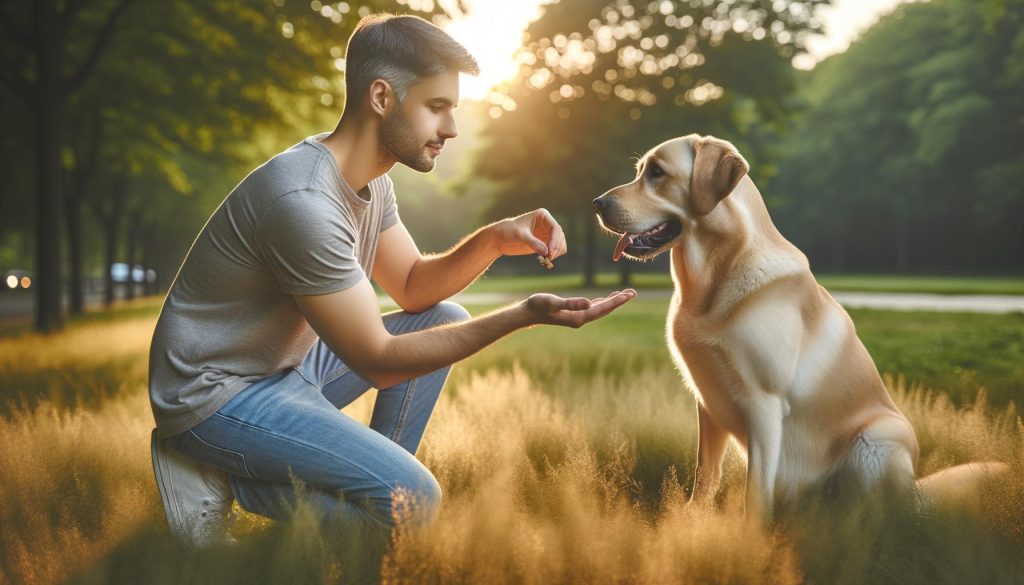
Just like humans, dogs can struggle with confidence, impacting their behavior and overall happiness. Building your canine’s self-assurance is not just beneficial for them; it enhances your relationship and creates a more harmonious home. A confident dog is more willing to explore, engage, and socialize, which contributes to their mental well-being. In this article, we’ll explore effective, evidence-based strategies to help your dog become more secure in themselves, from positive reinforcement techniques to creating a supportive environment. Whether your furry friend tends to shy away from new experiences or exhibits anxiety in social settings, you’ll find practical steps you can take to boost their confidence. Join me as we embark on this journey to transform your dog’s self-belief and, ultimately, their quality of life.
Understanding Canine Self-Confidence: The Basics
Building a confident canine companion is essential for both their well-being and the enjoyment of their time with you. Understanding the foundations of canine self-confidence involves recognizing that just like people, dogs can experience self-doubt and anxiety. These feelings can manifest through various behaviors, such as reluctance to explore new environments, fear of novel stimuli, or hesitation in interactions with other dogs or people. A dog lacking confidence often displays signs like cowering, barking excessively, or showing submission behaviors such as rolling over or tucking their tail between their legs.
To nurture your dog’s self-assurance, begin by creating an environment where they feel safe and supported. This involves minimizing exposure to overwhelming noises or chaotic settings that can induce stress. Providing a consistent routine can be tremendously beneficial; it helps your dog know what to expect and fosters a sense of security. For instance, regular feeding, walking, and playtimes can make your dog feel more anchored in their daily life.
Positive reinforcement is a powerful tool in building your dog’s confidence. Use treats, praise, and affection to reward your dog for brave actions, no matter how small. This not only reassures your dog but also encourages them to engage with their environment more boldly. For example, if your dog approaches a new object they typically avoid, shower them with rewards; this reinforces their courage and encourages exploration. Remember, patience is key. Building confidence takes time, but with love and persistence, your dog can flourish into a self-assured companion ready to embrace the adventures ahead.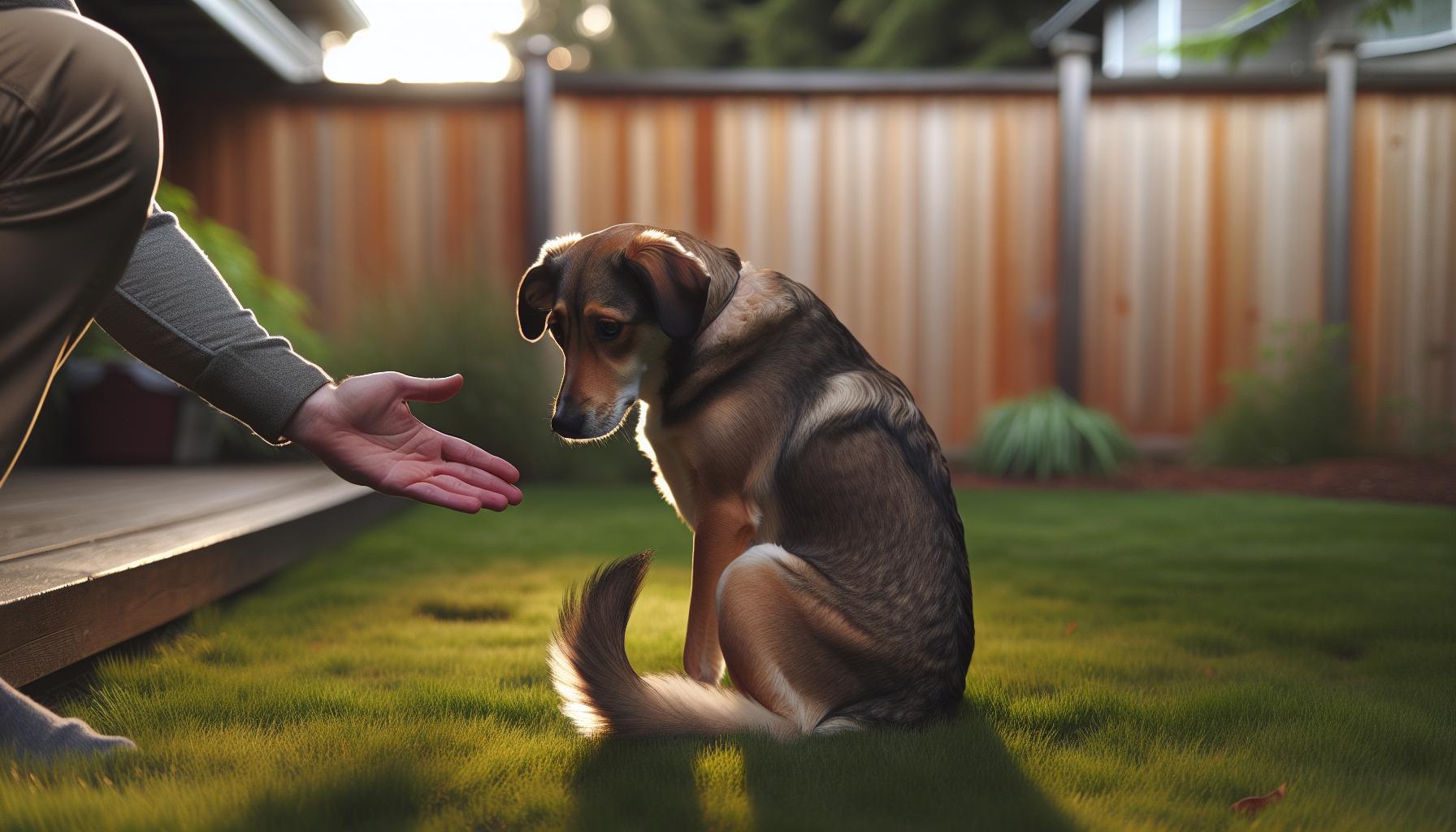
Signs Your Dog Lacks Confidence and Needs Help
Recognizing the signs that your dog lacks confidence is crucial for helping them develop a more assured demeanor. Dogs, like people, can display a range of behaviors that indicate self-doubt or anxiety. For instance, if your dog frequently cowers, hides, or tries to make themselves smaller in unfamiliar situations, it reveals a significant level of insecurity. These body language cues can include tucking their tail, flattening their ears against their head, or avoiding eye contact. Observing these behaviors is the first step towards understanding your dog’s emotional state and addressing their needs.
Additionally, keep an eye out for excessive barking or growling, which can be a way for a nervous dog to assert some form of control over their environment. If your dog becomes overly reliant on you during walks or in new settings, often needing to be coaxed outside or to approach new people and dogs, this dependency showcases their struggle with confidence. Other common signs include stiff body posture, reluctance to walk through doorways, or showing signs of distress, like pacing or whining, when faced with new experiences.
In order to effectively support your dog, it’s essential to approach these signs with empathy and understanding. Confidence-building can require patience and strategic action. Creating a supportive environment where your dog feels safe can mitigate these signs. Start small-introducing them to new experiences gradually while using positive reinforcement can transform their approach to anxiety-inducing situations. Building their confidence isn’t just beneficial for your dog’s well-being; it’s a mutual journey that strengthens the bond between you. As your dog learns to navigate their world with growing self-esteem, you’ll both enjoy richer, more joyful experiences together.
Creating a Safe and Supportive Environment
Creating a safe and secure atmosphere is critical for nurturing your dog’s confidence. Just as children flourish in loving and supportive environments, dogs are more likely to exhibit self-assured behaviors when they feel safe and valued. Begin by establishing a consistent routine; dogs thrive on predictability, and knowing what to expect can significantly reduce anxiety. Make the most of daily activities – such as meals, walks, and playtime – by maintaining a regular schedule, which helps your furry friend feel grounded and secure in their surroundings.
Design a personal space in your home specifically for your dog, where they can retreat when they feel overwhelmed. This sanctuary can be a cozy dog bed in a quiet corner or a crate adorned with blankets and toys. Ensure that this area is away from the noise and commotion of daily life, giving your dog a place to relax and recharge. Additionally, you can enrich this environment with familiar scents and favorite toys to make it inviting and comforting.
Consistency in handling your dog is equally vital. Create a calm and reassuring demeanor, especially during stressful situations. This might involve using a soft voice and gentle touches, allowing your dog to associate your presence with safety. If your dog shows signs of fear or hesitation, step back and give them the freedom to approach new sights and sounds at their own pace. Instead of pushing them into uncomfortable situations, let them explore their environment gradually, providing praise and rewards for their bravery.
Moreover, integrating positive reinforcement into your daily interactions fosters a sense of achievement in your dog. Rewarding even the smallest steps towards confidence-like exploring a new room or meeting another dog-can encourage them to take further risks, reinforcing their belief in themselves. This supportive framework builds a firm foundation upon which your dog can develop the self-assurance they need to explore their world more freely. As you embark on this journey, remember that patience and love are your greatest tools, helping both you and your dog celebrate every small victory along the way.
Positive Reinforcement Techniques for Building Confidence
To transform your dog’s confidence, employing positive reinforcement techniques is key. Dogs, like humans, thrive on encouragement, and understanding how to leverage this can make a significant difference in their self-assurance. Each wag of the tail in response to praise or a treat is a step toward building a more confident companion. Positive reinforcement not only rewards good behavior but also fosters an environment where your dog feels valued and secure.
Start by identifying what motivates your dog, whether it’s treats, toys, or praise. Use these motivators to reward your dog immediately following desired behaviors, such as exploring a new area or interacting with other dogs. This technique reinforces positive actions and helps them associate those behaviors with good outcomes. For example, during walks, if your dog behaves calmly around other pets or people, provide a treat or verbal praise to encourage that behavior in the future.
Incorporating Gradual Challenges
Gradual exposure to new experiences can also boost confidence. Introduce new sights, sounds, and smells at a pace your dog is comfortable with. For instance, if your dog seems anxious around unfamiliar objects, start by allowing them to observe from a distance. As they show curiosity, reward them for their bravery with a treat or a gentle pat. This gradual process helps your dog learn that new experiences can be positive.
Utilizing Training Sessions
Training sessions are another excellent opportunity for reinforcement. Keep these sessions short and fun, focusing on basic commands before gradually introducing more complex tasks. Use positive reinforcement by praising your dog whenever they respond correctly. This not only impacts their obedience but also strengthens their trust in you, fostering a bond built on mutual respect and understanding.
Implementing these techniques creates a supportive learning environment that nurtures your dog’s growth and confidence. Celebrate milestones, no matter how small, as each one represents progress. Your consistent encouragement can lead your dog to not only overcome fears but to embrace new challenges with enthusiasm and self-assurance.
Socialization: Key Strategies for Confidence Building
Building a dog’s confidence through socialization is one of the most effective strategies for nurturing their self-assurance. Engaging with diverse environments, other animals, and humans allows dogs to learn essential life skills and gain comfort in varied situations. Socialization can significantly reduce fear and anxiety, creating a well-adjusted pet capable of making confident decisions.
To effectively enhance your dog’s social skills, start early. Puppies, ideally between 3 to 14 weeks, are at a critical learning stage where they absorb experiences rapidly. Exposure to different sounds, sights, and smells can lay a strong foundation. However, it’s never too late to socialize your dog. For adult dogs, gradual introductions to new experiences should be approached with patience and care.
Strategies for Socialization
- Controlled Environment: Begin in a familiar and manageable setting, such as your home or backyard. Invite friends with calm dogs to create positive interactions.
- Positive Association: Use treats and praise to reward your dog during social encounters. This helps them associate new experiences with positive outcomes.
- Gradual Exposure: Slowly introduce your dog to louder or busier environments, such as parks or pet-friendly stores. Allow them to observe from a distance before getting closer.
- Group Classes: Consider enrolling in basic obedience training or puppy classes. These structured environments offer supervised opportunities to interact with other dogs and people, all while learning basic commands.
Always prioritize your dog’s comfort. If they show signs of distress, such as cowering or barking, ease back and allow them to acclimate at their own pace. Encourage exploration by letting them lead when possible, which fosters independence and self-reliance. Over time, positive experiences can build a resilient, confident dog ready to tackle new adventures.
Fun Activities That Boost Your Dog’s Self-Assurance
Engaging your dog in fun activities can significantly enhance their self-assurance and overall well-being. Just like humans, dogs thrive on experiences that not only stimulate their senses but also allow them to showcase their abilities and strengthen their bonds with their owners. One captivating way to build confidence is through interactive play, which can be as simple as fetch or as complex as agility training. By participating in these enjoyable pursuits, dogs learn to navigate challenges and celebrate successes, thereby boosting their self-esteem.
One excellent approach is to incorporate obstacle courses into your dog’s routine. Create a mini agility course in your backyard using household items like cones, tunnels made from cardboard boxes, or hoops. Guide your dog through the course with positive reinforcement-use treats and energetic praise to encourage them. This not only teaches your dog to trust their abilities but also enhances their problem-solving skills. Seeing their progress will fill them with pride and confidence.
Additionally, enrichment activities, such as puzzle toys or scent games, can be a fun way to channel your dog’s energy creatively. By encouraging them to use their noses to find hidden treats or solve puzzles for their favorite snacks, you stimulate their minds and foster a sense of accomplishment. Such activities can alleviate boredom and reduce anxiety, boosting their confidence in navigating both new challenges and their home environment.
Group playdates or social outings focusing on structured group games can also provide invaluable social learning opportunities. Engaging with other dogs in a controlled environment helps them practice important social skills. Games like “find the toy” or team fetch not only enhance their confidence but also promote friendly interactions, ensuring they feel secure within their social circles. These experiences reaffirm that they are not just pets but capable and confident companions.
Incorporating these engaging activities into your dog’s life can foster a resilient and self-assured canine partner, ready to take on new experiences with joy and enthusiasm. Remember, the key lies in celebrating their achievements, no matter how small, to motivate them to explore and grow.
Training Exercises to Encourage Independence
Building independence in your dog is crucial for their overall confidence and well-being. Encouraging self-reliance allows dogs to feel more secure in their abilities, leading to greater self-assurance in both familiar and new environments. Start by practicing short periods of solitude where your dog learns to enjoy their own company. You can create a cozy space with their favorite toys and a comfortable bed, gradually increasing the time they spend there. This exercise fosters adaptability and minimizes separation anxiety.
Another effective way to promote independence is through interactive training sessions that focus on problem-solving. Teach your dog to perform tasks without immediate assistance, such as retrieving a specific toy or performing tricks on cue. Use a positive reinforcement approach, rewarding them with treats and praise for their efforts. Over time, they will learn to think for themselves, enhancing their ability to navigate challenges independently. Incorporating games that involve decision-making, like hide and seek or puzzle toys, can also challenge your dog mentally and strengthen their problem-solving skills, further boosting their independence.
Exploratory Walks
Taking your dog on exploratory walks can significantly contribute to their independence. Allow them to choose their path occasionally, letting them sniff around and explore their surroundings. This freedom fosters curiosity and confidence as they learn to trust their instincts. Remember to use a long leash to provide a sense of security while still giving them room to roam.
Lastly, consider introducing basic commands that promote independence, such as “stay” and “wait.” These commands can be practiced both at home and out in public spaces, teaching your dog to remain calm and composed in various situations. By establishing clear expectations and boundaries, you help them understand that independence is not just allowed but encouraged. Celebrating each small achievement along the way will inspire a sense of accomplishment that bolsters their confidence even more.
Addressing Behavioral Challenges: Fear and Anxiety
Understanding and addressing fear and anxiety in dogs is a crucial step in building their self-confidence. Many dogs experience anxiety due to unfamiliar environments, loud noises, or negative past experiences. Recognizing these behavioral challenges is the first step in providing the necessary support. Dogs may exhibit signs such as excessive barking, cowering, or even aggressive behaviors when faced with their fears. This response is not merely an act of defiance; rather, it’s a manifestation of their struggle to cope with stressors they perceive as threatening.
To effectively support a dog with anxiety, it’s essential to create a structured and predictable routine that offers security. Consistency in daily activities-such as feeding times, walks, and playtime-helps a dog develop a sense of control over their environment. Additionally, desensitization techniques can be extremely beneficial. Gradually exposing your dog to their fears in a controlled manner allows them to create positive associations. For instance, if your dog is afraid of loud noises, start by playing recordings of fireworks at low volumes while offering treats and praise to create a positive experience. Slowly increase the volume as your dog becomes more comfortable, reinforcing their bravery with rewards.
Implementing calming strategies can also make a world of difference. Products such as anxiety wraps, pheromone diffusers, or calming music can help soothe a nervous dog. Moreover, providing a safe space where your dog can retreat when feeling overwhelmed is paramount. This could be a specific room or a cozy crate that they associate with comfort and safety. Recognizing and respecting your dog’s limits is essential; pushing them too fast may result in increased anxiety, rather than alleviating it. Remember, the goal is gradual progress rather than an instant transformation.
Fostering Confidence Through Positive Reinforcement:
The most effective method for addressing fear and anxiety is through positive reinforcement. Rewarding your dog for exhibiting calm behavior in anxiety-inducing situations builds their confidence. Use treats, praise, and petting as tools to encourage bravery. The reinforcement teaches them that facing fears leads to positive outcomes. Eventually, as your dog begins to understand their capabilities and the support they have, their self-assurance will grow.
Incorporating socialization into the process is equally vital. Introducing your dog to new environments, people, and other dogs in a controlled manner can significantly decrease anxiety over time. Attend training classes that focus on both obedience and socialization, or set up playdates with trusted dogs. Always monitor their comfort level and ensure that these experiences remain positive and safe. Gradually, as your dog builds trust in their surroundings and the people and pets within them, their confidence will blossom.
The Importance of Routine in Building Confidence
Establishing a routine is one of the most effective ways to bolster a dog’s confidence. Dogs are inherently creatures of habit; they thrive on predictability and consistency. A structured daily schedule reassures them, allowing them to anticipate what comes next, thus reducing anxiety and helping them feel secure in their environment. For instance, regular feeding times, consistent walk schedules, and established play sessions create a rhythm that dogs come to trust. This sense of stability fosters a confidence that equips them to face new challenges more readily.
A well-defined routine also encourages independence and decision-making. When dogs know their daily structure, they can develop a greater sense of autonomy and control over their lives. For example, allowing a dog to explore an enclosed yard as part of their routine provides them with the opportunity to make choices about their own activities, such as which favorite toy to play with or where to roam. This autonomy can empower them and increase their self-assurance.
Practical Steps for Implementing a Routine:
To cultivate an effective routine, begin by observing your dog’s behavior and preferences, then integrate structured activities that suit their needs. Here are some actionable steps:
- Set Consistent Meal Times: Feed your dog at the same times each day, creating predictability around their meal schedule.
- Daily Exercise: Schedule regular walks or playtime that allows your dog to expend energy and explore their surroundings safely.
- Train at the Same Times: Incorporate short training sessions into your daily routine; this not only reinforces learning but also builds a bond of trust as your dog experiences you as a predictable figure.
- Create a “Calm Time”: Designate specific times for relaxation-this could be quiet time with soothing music or a cozy space where they can retreat, helping them learn to manage their excitement and anxiety.
Building a routine tailored to your dog’s lifestyle doesn’t just establish a comforting structure; it can also be a journey towards greater confidence. As they become familiar with daily activities and tasks, their self-assurance flourishes, equipping them to handle unfamiliar experiences with more ease. Over time, this careful and loving approach to routine not only nurtures a well-rounded, confident dog but also cultivates a deeper trust between you and your furry partner.
How to Encourage Exploration and Curiosity
Encouraging a dog’s exploration and curiosity is vital for fostering their confidence and self-assuredness. Just as humans grow through new experiences, dogs too thrive when given the opportunity to investigate their surroundings. By gently nudging them to step out of their comfort zones, you can help them build resilience and trust in their capabilities. Start by introducing your dog to new environments gradually. This could be as simple as taking them on a different walking route or exploring a new park. The goal is to create positive associations with these unfamiliar settings, making them exciting rather than daunting.
To facilitate exploration, create an enriching environment at home and outside. Use different textures, scents, and toys to stimulate their senses. Set up a scavenger hunt in your backyard or living room by hiding treats in various places. This activity not only challenges them mentally but also encourages them to use their noses and instincts, reinforcing their confidence in approaching new situations. Always celebrate their discoveries with praise and excitement, reinforcing the idea that exploration leads to positive experiences.
Practical Tips for Encouraging Exploration
- Vary Your Walks: Change the walking paths regularly. Different sights and smells will pique their interest and encourage eagerness to explore.
- Introduce New Toys: Rotate your dog’s toys to keep them engaged. Unique toys with different textures or sounds can inspire them to play and explore.
- Interactive Play: Engage in games like hide-and-seek where you hide and reward them when they find you, enhancing their sense of achievement and curiosity.
Creating opportunities for socialization with other dogs and people can also bolster a dog’s confidence. Arrange playdates or attend local dog parks where they can interact with a diverse range of companions. Watching other dogs engage and explore can inspire your dog to partake, easing their anxiety about new encounters. Remember to monitor their reactions and maintain a positive atmosphere, so they associate these experiences with fun and security.
When dogs feel safe to explore, they learn to trust their instincts and capabilities. Each positive interaction further strengthens their belief in their ability to handle new situations, paving the way for a more confident and well-adjusted companion. Encourage this spirit of discovery, and you’ll be amazed at the character your canine will develop over time.
Building a Strong Bond: Trust and Confidence
Building a strong bond with your dog is fundamental to fostering their confidence and ensuring they feel secure in their environment. Just as humans thrive on trust and supportive relationships, so do dogs. When your canine companion knows they can rely on you, they are more likely to explore their surroundings and engage in new experiences. Establishing this deep connection begins with understanding and patience, allowing your dog to express themselves freely without fear of judgment.
One effective approach to nurture this bond is through consistent positive interactions. Spend quality time with your dog engaging in activities that both of you enjoy. Whether it’s a leisurely walk in the park, a game of fetch, or simply cuddling on the couch, these moments of closeness create a sense of safety and belonging. Moreover, using a soothing tone of voice and maintaining gentle body language can further reassure your dog, helping them associate your presence with comfort and security.
Key Strategies for Building Trust:
- Be Consistent: Establishing routines around feeding, walks, and playtime will help your dog feel more secure. Predictability in your actions fosters trust.
- Engage in Training: Training sessions not only teach commands but also reinforce your bond. Use fun and engaging methods to keep your dog motivated and show them that learning is rewarding.
- Recognize Their Feelings: Pay close attention to your dog’s body language. Understanding their signals and responding appropriately helps them feel understood and supported.
As trust deepens, your dog will be more willing to take risks and step out of their comfort zone. Incorporate small challenges that encourage independence, such as allowing them to explore their favorite spaces without constant supervision. Gradually, as they face these new situations with your supportive presence, their self-assurance will blossom. Celebrate the small victories-each little step forward is a testament to the trust and bond you have cultivated together, reinforcing their belief in their abilities and in you as a safe partner in their journey.
Celebrating Small Wins: Recognizing Progress
Recognizing and celebrating small victories in your dog’s journey to gaining confidence is crucial and serves as a powerful motivator for both you and your canine companion. Each little achievement, whether it’s successfully navigating a new route on a walk or approaching a stranger without fear, signifies progress and reinforces their self-belief. By acknowledging these milestones, you create an environment that encourages exploration and growth, transforming their world from one of apprehension to one filled with possibilities.
To effectively celebrate these small wins, start by keeping a journal of your dog’s accomplishments, no matter how minor they may seem. Document changes in behavior, such as approaching a new toy or showing interest in meeting other dogs. This record will not only serve as a reminder of their progress over time but also provide insights into patterns and triggers that contribute to their confidence. Celebrating these moments can take many forms, from giving an enthusiastic verbal affirmation and a gentle pat on the back, to providing a small treat or extra playtime as a reward. Positive reinforcement reassures your dog that they are on the right path.
Incorporating Fun and Engaging Activities
Engaging in activities tailored to celebrate these milestones can further bolster your dog’s confidence. Create opportunities for success by introducing new challenges that are manageable, ensuring they can experience victory. Activities like agility courses, interactive toys, or puzzle games can be both fun and confidence-boosting. Gradually increase the difficulty as your dog becomes more assured, but always celebrate even the smallest of successes with joy and enthusiasm.
Remember, patience is key. Each time you recognize and celebrate a small win, you instill a sense of capability within your dog, which fosters a mindset of resilience and curiosity. This emotional investment not only strengthens your bond but also supports their growth into a more confident and self-assured canine companion. Each celebration is a brick in the foundation of their confidence, paving the way for new experiences and adventures ahead.
Faq
Q: How can I help my dog overcome fear of new environments?
A: To help your dog overcome fear of new environments, gradually introduce them to different settings. Start with short visits in controlled situations, using positive reinforcement like treats and praise to create positive associations. This method encourages exploration while building confidence in unfamiliar places.
Q: What are some signs that my dog is becoming more confident?
A: Signs of a more confident dog include a relaxed body posture, wagging tail, eagerness to explore, and willingness to engage with people and other dogs. If your dog displays increased playfulness and curiosity, it indicates they are gaining self-assurance.
Q: What role does exercise play in building a dog’s confidence?
A: Regular exercise is crucial for building a dog’s confidence as it helps reduce anxiety and provides mental stimulation. Engaging in activities like agility training, fetch, or obstacle courses allows dogs to challenge themselves, leading to improved self-assurance and overall well-being.
Q: How can I use socialization to boost my dog’s confidence?
A: Socialization is vital for boosting a dog’s confidence. Expose your dog to different people, dogs, and environments in a controlled, positive manner. Arrange playdates, visit dog parks, or enroll in obedience classes, gradually increasing exposure to help them feel secure in social situations.
Q: What training techniques can specifically enhance my dog’s confidence?
A: Positive reinforcement training techniques, such as clicker training, can significantly enhance your dog’s confidence. Reward your dog for small successes to encourage them during training sessions. Focusing on fun and achievable goals fosters a sense of accomplishment and security.
Q: How does a consistent routine contribute to my dog’s self-assurance?
A: A consistent routine helps build a dog’s self-assurance by establishing predictability in their daily life. Regular feeding, walking, and playtimes provide stability, reducing anxiety and allowing your dog to feel secure in their environment, encouraging exploration and growth.
Q: Are there specific games that can help boost my dog’s self-confidence?
A: Games like hide-and-seek, tug-of-war, or fetch can effectively boost your dog’s self-confidence. These activities stimulate their minds and bodies, enabling them to take risks in a fun, safe way, ultimately fostering a sense of accomplishment and boosting their self-esteem.
Q: When is it advisable to seek professional help for my dog’s confidence issues?
A: If your dog displays severe fearfulness, aggression, or anxiety that hinders their daily life, it’s advisable to seek professional help. A qualified dog trainer or behaviorist can tailor a confidence-building plan, ensuring your pet receives the appropriate support in a safe environment.
The Way Forward
Building your dog’s confidence is a journey that pays off immensely in their happiness and behavior. By applying the strategies outlined in “How to Make Dog More Confident: Build Canine Self-Assurance,” you’re setting the stage for a more secure and joyful companion. Don’t wait-start implementing these techniques today and witness the transformation in your dog’s life.
For more tips on enhancing your dog’s well-being, check out our articles on positive reinforcement training and socialization strategies. Remember, nurturing your furry friend’s confidence takes time, but the rewards-trust, loyalty, and joy-are well worth the effort. Join our newsletter for ongoing insights and support as you embark on this rewarding journey together. Share your experiences and any questions in the comments below; we love hearing from fellow dog enthusiasts and supporting each other in our canine adventures!