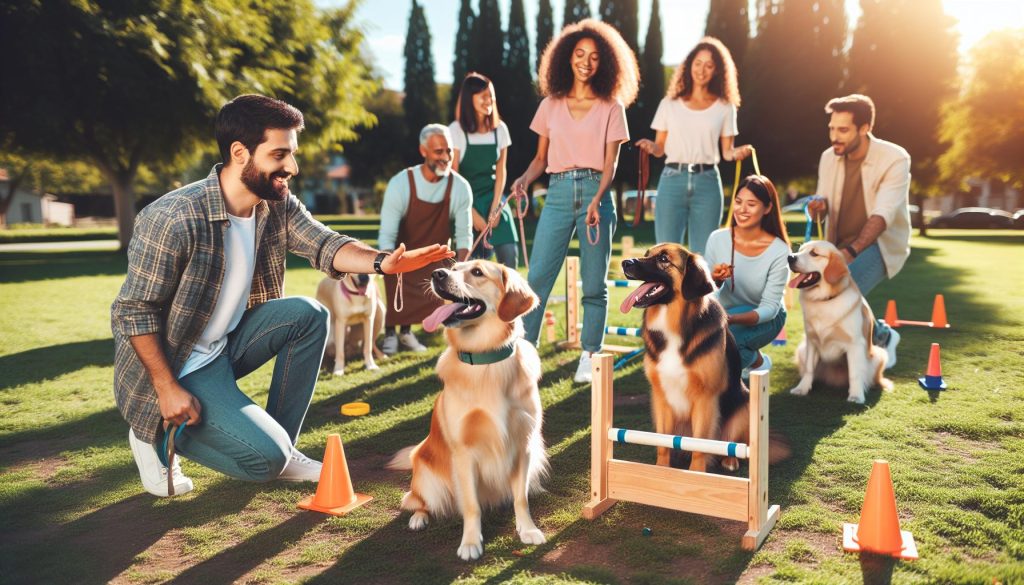
Building confidence in our dogs is essential for their happiness and well-being. Did you know that just like people, dogs can struggle with self-doubt, especially in new environments or during encounters with unfamiliar situations? A confident dog is not just more enjoyable to be around; they are also healthier and more relaxed. Whether your furry friend shies away from interactions with other pets or seems anxious during walks, understanding how to nurture their confidence can be transformative. This guide will provide you with effective tips and techniques to empower your dog, helping them feel secure and self-assured. You’ll discover actionable strategies that not only enhance your relationship with your pet but also create a happier, more engaged companion. By investing time in building your dog’s confidence, you’re setting the stage for a joyful life together-let’s explore how you can help your four-legged friend thrive.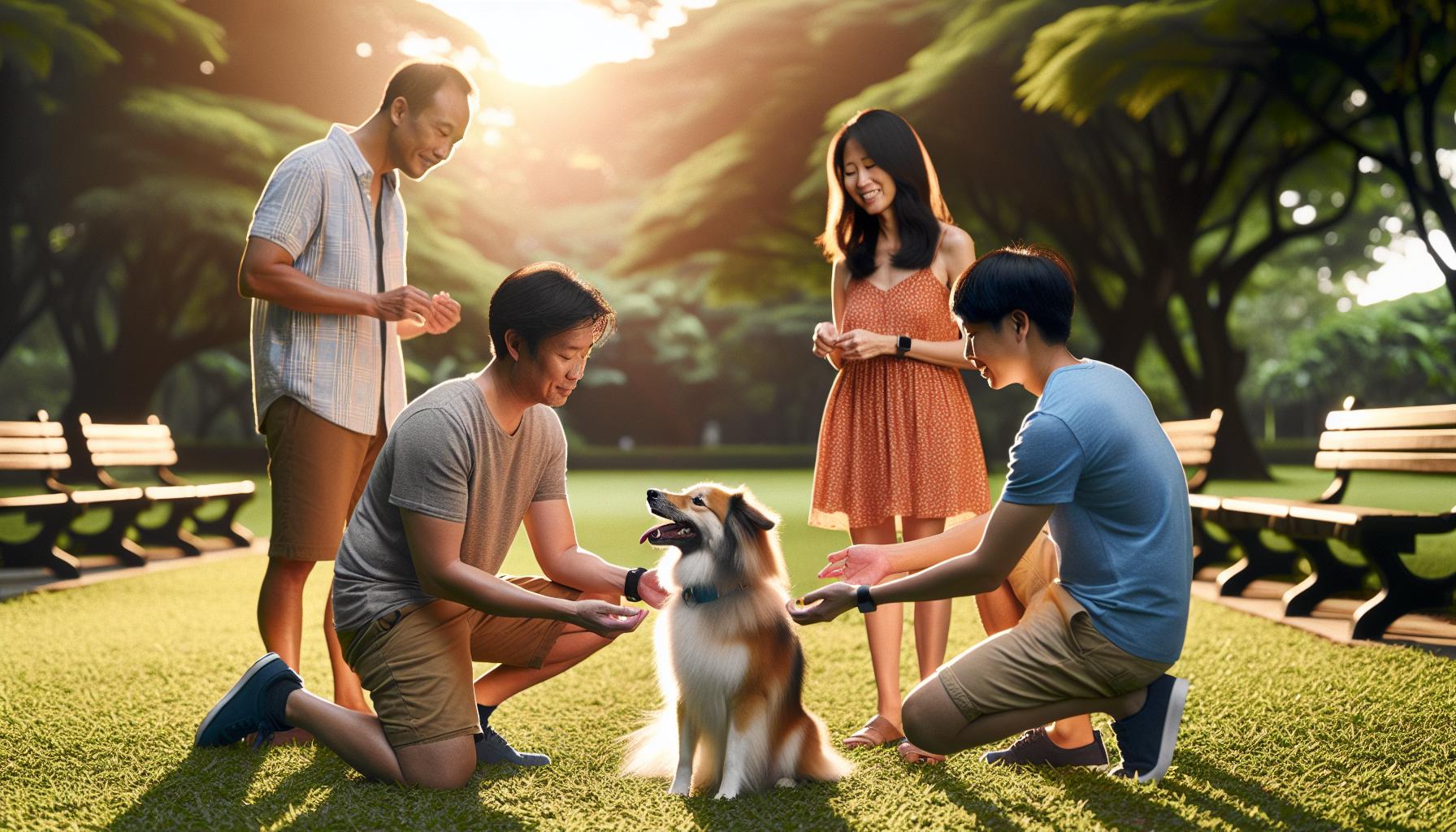
Understanding Dog Confidence and Its Importance
Building a dog’s confidence is an essential aspect of their development that can significantly enhance their overall well-being and enrich their interactions with people and other animals. Just as humans may struggle with feelings of insecurity, dogs can exhibit low confidence due to various factors, including lack of socialization, negative past experiences, or even inherent personality traits. Understanding the nuances of canine confidence allows owners to foster a positive environment where their pets can thrive, encouraging mental and emotional resilience.
Dogs with high confidence tend to approach new situations with curiosity and bravery, while those lacking confidence may display avoidance behaviors, fearfulness, or anxiety. Recognizing the signs of low confidence is crucial for dog owners, as addressing these issues early can prevent potential behavioral problems down the road. These signs can manifest as cowering, tail tucking, excessive barking, or reluctance to engage with new people and environments. Owners should remain vigilant and empathetic, acknowledging their dog’s feelings and providing support to foster a more secure mindset.
Creating a nurturing atmosphere is vital for building a dog’s self-esteem. Consistent routines offer dogs a sense of security, while positive reinforcement helps them associate new experiences with rewarding outcomes. By engaging in activities that stimulate both their mind and body, owners can help their dogs overcome insecurities. For example, using puzzles, agility training, or interactive play not only strengthens the bond between pet and owner but also provides dogs with the necessary challenges to build their confidence in a supportive manner.
Ultimately, understanding and nurturing a dog’s confidence is not only an opportunity for personal growth but also a pathway to a deeper, more trusting relationship with our four-legged companions. The journey may require patience and consistency, but the reward of seeing a dog flourish into a confident and happy individual is worth the effort.
Signs of Low Confidence in Dogs
Recognizing when your dog is feeling insecure is the first step toward helping them build confidence. Low confidence in dogs can present itself in a variety of behaviors, many of which might go unnoticed or misinterpreted by their owners. It’s essential to be alert to these signs, as they are key indicators of your pup’s emotional state and can guide you in providing the right support to foster their self-esteem.
Common manifestations of low confidence include:
- Cowering or Shrinking Away: A dog that frequently attempts to make themselves small or hides behind you or objects is displaying clear signs of feeling overwhelmed or insecure.
- Tail Tucking: A low or tucked tail can indicate fear or uncertainty. This behavior is often accompanied by a lowered body posture, signaling that your dog is trying to appear less threatening.
- Excessive Barking: While barking can be a normal behavior, if your dog barks excessively in response to new situations, it may reflect anxiety about their environment.
- Reluctance to Explore: Confident dogs often investigate their surroundings with curiosity. A pup that avoids new environments or experiences may lack the assurance needed to explore.
- Avoidance of Eye Contact: Dogs that avoid making eye contact might feel anxious or unsure about their surroundings, indicating they may not feel safe.
- Submissive Postures: These can include rolling over to expose their belly or urinating submissively when approached. Such behaviors suggest a dog that is unsure of their place in a social hierarchy or fearful of a perceived threat.
Being mindful of these behaviors allows you to approach your dog’s challenges with empathy. Understanding their fears paves the way for effective training methods that foster a sense of security. Consider creating positive, low-pressure experiences in everyday situations to encourage your dog to take small steps towards greater confidence.
By learning to recognize and respond appropriately to signs of low confidence, you can support your dog on their journey to becoming a more self-assured and happy companion.
Effective Training Techniques to Build Confidence
The journey to building a confident dog often begins with understanding and applying effective training techniques tailored to address their specific fears and insecurities. Using structured methods can significantly empower your dog, fostering the self-assurance they need to navigate the world with positivity and curiosity.
One essential technique is positive reinforcement. This approach involves rewarding your dog for exhibiting confident behaviors. For example, if your dog approaches a new object or person without hesitation, offer treats or praise. This creates a positive association, reinforcing their behavior. When their actions are met with encouragement, they learn that exploring new experiences can be fulfilling and safe.
Another powerful method is to use desensitization. Start by exposing your dog to low-level stimuli that trigger anxiety in a controlled environment. For instance, if your dog is fearful of loud noises, play soft recordings of thunder or fireworks at a very low volume. Gradually increase the volume as they become more comfortable, rewarding them for staying calm. This gradual exposure helps to diminish their fear response while boosting their confidence in handling real-life situations.
Incorporating structured activities, such as obedience training and agility courses, not only enhances your dog’s skills but also helps them perceive themselves as capable and effective. Engaging in regular practice of commands and tricks builds their focus and encourages them to thrive in cooperative settings. Celebrate their successes, no matter how small, as this recognition plays a crucial role in developing their self-esteem.
Finally, remember to be consistent and patient in your approach. Building confidence is a gradual process; therefore, it’s important to celebrate tiny victories. Create a supportive environment where your dog feels safe to try new things, knowing that you are there to guide and protect them. With time, love, and thoughtful training, you will witness your dog blossom into a confident companion, ready to explore the world with joy.
Creating a Safe and Stimulating Environment
Creating a nurturing environment is fundamental for fostering a dog’s confidence. Dogs, like humans, thrive in spaces that make them feel safe and engaged. A proactive approach to building such an environment involves not only physical comfort but also mental stimulation. Enriching their surroundings can stimulate curiosity and reduce anxiety, leading to a more self-assured pet.
To begin with, a safe space is essential. Designate a cozy area in your home where your dog can retreat when feeling overwhelmed. Use familiar blankets or toys to make this space inviting, allowing your dog to associate it with comfort and security. Additionally, ensure that potential stressors, such as loud noises or sudden movements, are minimized in this area. This safe haven acts as a sanctuary where your dog can recharge away from any stimuli that may cause anxiety.
Next, introduce stimulating elements that promote exploration and engagement. Here are some ideas:
- Toy Variety: Rotate different toys to keep your dog interested. Puzzle toys that require problem-solving can enhance cognitive skills while boosting confidence in their abilities.
- Interactive Spaces: Create a stimulating environment by utilizing different textures and challenges around the house or yard, such as tunnels, climbing platforms, or balance beams.
- Play Zones: Designate specific areas for interactive play. Incorporate games like fetch or hide-and-seek that encourage your dog to explore their environment with enthusiasm.
Beyond physical elements, incorporating a structured routine can greatly enhance your dog’s security and confidence. Dogs are creatures of habit, and a predictable schedule fosters a sense of control. Regular feeding times, walks, and play sessions establish rhythm and consistency, allowing your dog to anticipate what comes next, which can alleviate anxiety about the unknown.
Ultimately, a well-rounded approach that combines safety, stimulation, and structure will empower your dog to explore the world with greater confidence. By creating an environment rich in opportunities for growth and comfort, you enable your dog to thrive, learning that they are capable, loved, and secure in their surroundings.
Socialization Strategies for a Confident Dog
Engaging with the world is crucial for a dog’s confidence, as it allows them to learn, adapt, and feel secure in their environment. Socialization is not merely about introducing your dog to new experiences; it is about creating positive associations in varied situations that empower them. Start early if possible, as puppies are particularly receptive to new encounters during their critical socialization period, which generally occurs between 3 to 14 weeks of age. However, it’s never too late to improve social skills, and adult dogs can equally benefit from structured exposure.
Begin by exposing your dog to different environments, people, and other animals gradually. Frequent visits to dog parks, pet-friendly stores, or even busy streets can be highly beneficial. Attempt to make these experiences enjoyable! Use treats, praise, and your calm demeanor to create a positive atmosphere. For dogs that show signs of anxiety or defensiveness in new settings, consider visits during off-peak hours to limit overwhelming stimuli. Always monitor your dog’s body language, retreating to safety if they seem too stressed.
Structured Interaction
Engage in structured social interactions with other dogs and people. This could be through puppy training classes, playgroups, or even organized meet-ups. Focus on controlled, positive interactions where your dog can observe and engage at their own pace. Having a trusted friend bring their well-socialized dog can also create a stress-free environment for learning. Use a leash for security, allowing the dog to approach only within their comfort zone.
Gradual Exposure Techniques
While introducing new people or dogs, employ gradual exposure techniques. Start by observing from a distance before moving closer based on your dog’s comfort level. Reward them for calm behavior. You can also simulate interactions at home by inviting friends over, so your dog becomes accustomed to strangers in a familiar environment. This step-by-step method helps prevent overwhelming experiences that can lead to regression in confidence.
Embrace the journey by making these social experiences rewarding and fun, and remain patient with your dog’s progress. This gradual and supportive approach not only enhances their social skills but also strengthens the bond you share. With time and consistent reinforcement, your dog will learn to embrace new experiences with greater confidence, transforming their interactions from anxiety-laden to enriching adventures.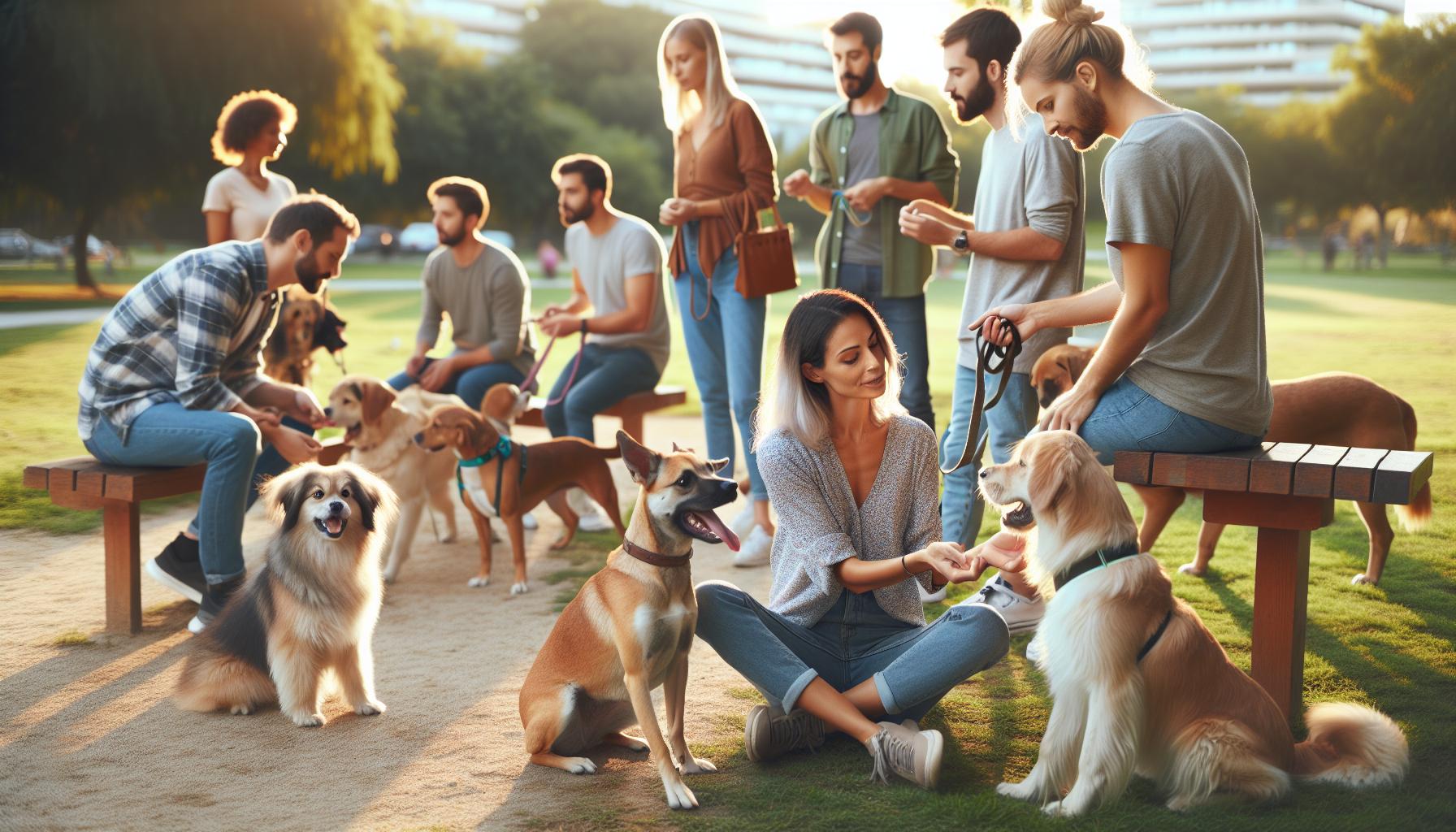
Positive Reinforcement Methods Explained
Building a dog’s confidence can be most effectively achieved through positive reinforcement methods. This technique not only strengthens the bond between you and your dog but also fosters an environment where they feel safe to explore and learn. Essentially, positive reinforcement involves rewarding desirable behaviors to encourage their repetition, which leads to a more confident dog who understands that good things come from his actions.
Successful application of positive reinforcement starts with understanding what motivates your dog. Some dogs respond best to treats, while others may be more motivated by praise, toys, or playtime. Here are some actionable steps to implement this method effectively:
Identify What Your Dog Values
- Observe your dog to see what excites them. Is it a favorite toy, a specific treat, or enthusiastic verbal praise?
- Use these motivators strategically during training sessions to reinforce behaviors you want to encourage.
Be Consistent with Rewards
- Whenever your dog exhibits a behavior you want to reinforce, immediately reward them. This could be a sit command, approaching a new person calmly, or anything else that shows confidence.
- Consistency is key; reward the same behavior each time it occurs, so your dog learns exactly what earns them the reward.
Gradual Exposure with Rewards
- When introducing your dog to new experiences, accompany each positive exposure with a reward. For instance, if your dog meets another dog without showing signs of fear, give them praise or a treat.
- Over time, your dog will associate new experiences with positive outcomes, leading to increased confidence.
By implementing these steps, you are not just teaching your dog what to do; you’re building a foundation of trust that encourages them to explore their environment fearlessly. This method leverages your dog’s instinctual behaviors, transforming their approach to potentially daunting situations into opportunities for growth and self-assurance. With patience and practice, you can cultivate a confident and happy companion ready to engage with the world.
Engaging Activities to Boost Dog Confidence
Engaging in activities that stimulate both the mind and body of your dog can significantly contribute to their confidence levels. One vital aspect of building confidence is creating a safe space where your dog can explore freely while also being challenged in a positive way. Remember, dogs thrive on interaction and mental stimulation, which helps them overcome fears and uncertainties.
Interactive Games and Activities
Engaging your dog in interactive games can boost their self-esteem while providing both physical and mental exercise. Consider activities such as:
- Hide and Seek: Hide somewhere in your home and call your dog to find you. When they locate you, reward them with praise or a treat. This reinforces their problem-solving skills and builds confidence as they learn to navigate their environment.
- Obstacle Course: Create a simple obstacle course using household items like chairs, pillows, and boxes. Guide your dog through the obstacles, encouraging them to overcome challenges while rewarding successful attempts.
- Treasure Hunts: Hide treats around your house or yard and encourage your dog to find them. This game engages their natural instincts and adds an element of fun and discovery.
Participating in Group Classes
Enrolling your dog in training or agility classes can dramatically enhance their confidence. Interacting with other dogs and engaging in structured activities offers socialization and skill development, teaching your dog to focus and relax in various environments.
Exploration on Leash Walks
Regular walks are more than just exercise; they are opportunities for exploration. Allow your dog to investigate different sights and scents off-leash in safe, enclosed areas. This freedom to explore boosts their confidence and encourages curiosity.
Engaging with Toys
Utilizing toys in creative ways can stimulate your dog’s confidence.
- Puzzle Toys: These toys encourage dogs to think critically and problem-solve to get their treats, enhancing cognitive skills and building confidence.
- Interactive Tug-of-War: Playing tug-of-war fosters trust and builds teamwork between you and your dog, providing a platform for them to express themselves in a safe context.
Incorporating these engaging activities into your dog’s routine not only fosters a confident spirit but also strengthens the bond between you and your canine companion. The more your dog experiences success and playful challenges, the more assured they will become in themselves and their environment. Each positive interaction paves the way for newfound self-belief, leading to a joyful and confident dog ready to face the world.
The Role of Routine in Dog Confidence
Establishing a consistent daily routine for your dog is crucial for nurturing their confidence. Dogs thrive on predictability, which helps them understand their environment and what to expect each day. A structured routine provides a comforting framework, reducing anxiety and allowing dogs to build trust in their surroundings. For instance, regular feeding times, exercise schedules, and play sessions create an atmosphere where a dog can feel secure and know they will meet their needs consistently.
Incorporating various activities into this routine not only keeps your dog mentally stimulated but also fosters a sense of accomplishment. Daily exercise, such as walks or playtime, should be prioritized as it serves as both physical training and emotional enrichment. This engagement not only strengthens the bond between you and your canine companion but also boosts their overall confidence. When dogs experience success during their daily activities, whether it’s mastering a new command or reaching a goal during play, it significantly enhances their self-esteem.
Consider introducing specific components to your dog’s routine that focus on building adaptive skills. For example, training sessions can be integrated into daily walks, allowing your dog to practice commands and receive immediate feedback in a familiar setting. This not only reinforces obedience but also builds confidence as they learn to navigate various environments and situations with your guidance. Regularly varying the activities can also help keep your dog’s routine fresh and engaging, thus preventing boredom and accompanying anxiety.
Finally, incorporating moments of relaxation and downtime into the schedule is equally vital. Just as training and play are essential, so too is allowing your dog the opportunity to relax and recharge. Creating a calm space in your home where they can retreat to when they feel overwhelmed helps them develop coping strategies and resilience over time. By respecting and nurturing your dog’s individual needs within a routine, you empower them to feel more secure and confident in themselves and their environment.
Using Professional Help for Behavioral Issues
The journey to building a confident dog can sometimes feel overwhelming, particularly if you’re navigating behavioral issues that stem from fear or anxiety. If you find that traditional training methods aren’t yielding significant improvements, seeking professional help can be an invaluable step. Trained professionals, such as certified dog trainers or animal behaviorists, can offer tailored strategies that address the specific needs of your dog. They have the experience to identify the root causes of fear-based behaviors and can provide targeted interventions to foster confidence.
Choosing the Right Professional
When looking for professional assistance, it’s essential to choose someone who employs positive reinforcement techniques, aligning with your goals of nurturing confidence rather than enforcing intimidation. You can start your search by checking certifications from recognized organizations such as the Association of Professional Dog Trainers (APDT) or the International Association of Animal Behavior Consultants (IAABC). Inquire about their experience with dogs that have similar challenges to yours and ask for specific examples of successful interventions they have implemented.
Addressing Behavioral Concerns
In a professional setting, several approaches can be utilized to help your dog overcome behavioral hurdles. Techniques may include:
- Desensitization and Counter-Conditioning: Gradually exposing your dog to their fears in a controlled manner while pairing the experience with positive reinforcement can effectively reduce anxiety.
- Behavior Modification Plans: Customized plans that incorporate training, environmental adjustments, and routine changes can help dogs learn new, confident behaviors.
- Group Classes: Engaging in socialization classes with other dogs can provide your pet with the opportunity to learn playful interactions in a supportive environment, enhancing their confidence further.
The Role of Ongoing Support
Furthermore, after initial professional intervention, you may continue to work with your chosen expert for follow-up sessions. Continuous guidance will help reinforce what your dog has learned and address new challenges as they arise. Be sure to engage actively in this process; your presence is vital in providing reassurance and support to your canine companion. It’s also helpful to implement strategies learned during sessions into regular routines, creating a predictable structure that celebrates their progress.
In providing your dog with the professional resources needed, you’re not just addressing behavioral issues; you’re igniting a transformative path toward confidence. Each time you invest in expert guidance, you’re equipping your dog with the tools necessary to navigate their world with assurance, thus nurturing a strong bond built on trust and mutual understanding.
Empowering Your Dog Through Mental Challenges
Engaging your dog in mental challenges is not just a way to keep them entertained; it’s a crucial aspect of their development that can significantly enhance their confidence. Just like humans, dogs thrive when they are given opportunities to explore their cognitive abilities. Activities that stimulate their minds can help reduce anxiety and promote a sense of achievement, which is vital for their overall confidence.
One effective way to introduce mental challenges is through puzzle toys designed for dogs. These toys encourage your dog to think critically and solve problems to access a treat. Start with simpler puzzles and gradually increase the difficulty as your dog learns. This step-by-step approach ensures that your dog doesn’t become frustrated. Alongside puzzle toys, consider incorporating a variety of fun games into your dog’s routine. For example, playing hide-and-seek, where your dog has to find you or a hidden treat, not only engages them mentally but also reinforces their bond with you.
Training Exercises to Boost Confidence
Incorporating training exercises that require focus and problem-solving can also build confidence. Teaching new commands or tricks not only provides mental stimulation but also helps your dog understand that they can succeed. Break down complex behaviors into small, manageable steps. For instance, if you’re teaching your dog to “roll over,” start with the basic “lie down” command before adding the roll. Celebrate small victories with praise or treats, which reinforces positive behavior and encourages further attempts.
Another enriching activity involves scent work, which taps into your dog’s natural instincts. Start by hiding treats around your home or yard, progressively making it more challenging by placing them in harder-to-find spots. This not only keeps your dog engaged but also supports their sense of accomplishment as they locate the hidden rewards.
By incorporating these mental challenges into your dog’s routine, you’re not just enhancing their skills but also building their confidence. Each challenge met and every obstacle overcome are steps towards a more assured and self-reliant canine companion. As your dog learns to tackle these tasks, you’ll notice a transformation in their behavior, exhibiting less fear and more eagerness to explore the world around them. Celebrate their successes, no matter how small, and continue to provide an environment that fosters growth and confidence.
Understanding Breed-Specific Confidence Needs
Understanding the unique confidence needs of different dog breeds is essential in helping your furry companion flourish. Each breed comes with its distinctive traits, instincts, and energy levels, which can influence their confidence. For instance, breeds that were originally developed for working roles, such as the German Shepherd or Border Collie, often thrive when engaged in structured tasks. These dogs typically require clear leadership and consistent training to bolster their self-assurance, as they naturally seek to understand their purpose within your home.
Conversely, toy breeds like Chihuahuas or Pomeranians may display more pronounced signs of insecurity, as their smaller stature can make them more susceptible to fear. It’s crucial to offer them reassurance and expose them to new experiences and environments safely and gradually. Providing these breeds with positive social interactions and controlled introductions to unfamiliar situations will help combat their tendencies toward anxiety and promote a sense of security.
To further cater to your dog’s specific breed traits, consider the following:
- Work Dogs: Engage in obedience training and agility exercises. These activities not only provide mental stimulation but also reinforce their roles as capable companions.
- Terriers: Incorporate games that tap into their instinct to dig and chase, which can build confidence through active participation.
- Hound Breeds: Allow for scent work or tracking exercises that leverage their keen sense of smell, fostering independence and assurance in their natural abilities.
- Guard Dogs: Focus on socialization with a variety of people and pets to prevent overly protective behavior and enhance their comfort in new situations.
By aligning your confidence-building approach with the characteristics of your dog’s breed, you’re setting the stage for a happier and more secure pet. Each successful encounter and challenge your dog overcomes lays the groundwork for lasting self-belief. Emphasizing their strengths while gently addressing their weaknesses in a supportive manner will empower your dog to navigate the world with confidence.
FAQ
Q: How can I tell if my dog is anxious or lacks confidence?
A: Signs of anxiety or low confidence in dogs include cowering, excessive barking, tail tucking, trembling, or avoidance behaviors. Observing your dog in various situations can help identify triggers. For more understanding, refer to the section on “Signs of Low Confidence in Dogs.”
Q: What activities can help boost my dog’s confidence?
A: Engaging in fun activities like agility training, puzzle toys, or social playdates can enhance your dog’s confidence. Incorporating varied exercises will challenge their mind and body, which are discussed further in the “Engaging Activities to Boost Dog Confidence” section.
Q: Is socialization important for a confident dog?
A: Yes, socialization is crucial as it exposes your dog to various people, environments, and other pets. Positive experiences during socialization can significantly increase a dog’s confidence and reduce anxiety.
Q: Can training routines improve my dog’s confidence?
A: Establishing consistent training routines helps your dog feel secure and builds their confidence through predictable structure. Techniques discussed in “The Role of Routine in Dog Confidence” can be particularly beneficial for stability.
Q: What specific training techniques help increase a dog’s confidence?
A: Techniques like positive reinforcement, clicker training, and gradual exposure to new experiences can foster confidence in dogs. Refer to the section on “Effective Training Techniques to Build Confidence” for actionable methods.
Q: Should I seek professional help for a timid dog?
A: If your dog exhibits extreme fear or anxiety, seeking professional help can be beneficial. A certified trainer or behaviorist can provide tailored strategies to improve your dog’s confidence and address behavioral issues effectively.
Q: How can I create a safe environment for a nervous dog?
A: To create a safe environment, designate a quiet space with familiar items and gradually introduce new stimuli. This approach can be vital for anxious dogs, as highlighted in “Creating a Safe and Stimulating Environment.”
Q: What role do mental challenges play in boosting a dog’s confidence?
A: Mental challenges, such as interactive toys and scent games, stimulate your dog’s mind and build confidence as they learn to solve problems. Empowering activities are explored in “Empowering Your Dog Through Mental Challenges.”
To Wrap It Up
Building your dog’s confidence is a journey filled with rewarding moments and challenges. Remember, small, consistent actions can lead to significant transformations. Implement the tips shared, like gradual exposure to new experiences and positive reinforcement, to support your pet’s growth. If you’re eager to learn more, check out our articles on dog training techniques and understanding dog behavior to enhance your journey further.
Don’t wait to help your furry friend feel secure and happy. Take the first step today-explore our resources on dog wellness and meal planning to create the best environment for your confident canine. We invite you to share your experiences in the comments and connect with our community for support and advice. Together, let’s empower more dogs to be their best selves!