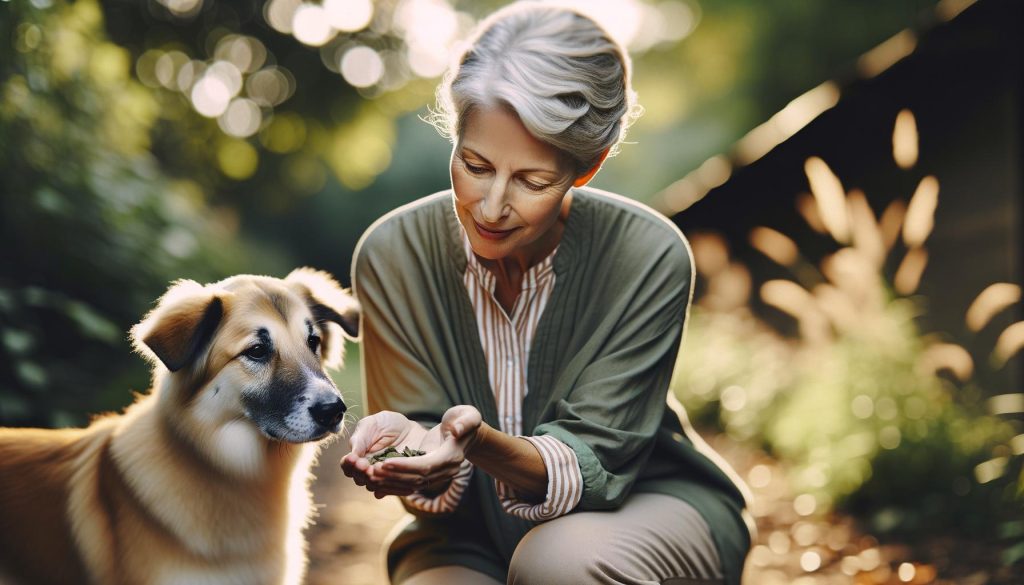
Did you know that nearly one in three dogs exhibit signs of fear or anxiety? If you have a fearful dog, you may find this deeply concerning and often frustrating. “How to Help a Fearful Dog Gain Confidence: Lessons in Courage” addresses this emotional struggle, offering insightful strategies to empower both you and your furry friend. In this guide, we will explore effective techniques that foster courage, helping your dog overcome insecurities and learn to trust the world around them. By understanding their fears and providing a nurturing approach, you can create a safe space for growth and transformation. Join us on this journey to build a stronger bond and watch your dog flourish with newfound confidence. Together, we’ll turn fear into bravery, one small step at a time.
Understanding Fear in Dogs: The Roots of Anxiety
The journey of understanding fear in dogs is crucial for anyone looking to help their furry friends navigate the world with confidence. Just like humans, dogs experience anxiety, which can stem from varied roots, including genetics, early experiences, and ongoing environmental factors. For instance, a dog that was not socialized properly as a puppy may grow into an adult plagued by fears of new people, sounds, or environments. Recognizing that these behavioral patterns are often not simply reactions but rather deep-seated fears helps owners approach training with empathy and patience.
One significant contributor to fearfulness can be traumatic experiences. For example, a dog that has faced abuse or neglect may become inherently distrustful and anxious. These past experiences can create triggers: specific situations or stimuli that lead to heightened anxiety. It’s important for dog owners to identify these triggers through attentive observation, enabling them to guide their pets more effectively. Another root of anxiety is the dog’s temperament; some breeds are naturally more anxious than others, and understanding this can help owners adapt their approach accordingly.
Creating a supportive environment is also paramount. Dogs thrive in stable, secure settings where they can predict their surroundings. Signs of anxiety can manifest in various forms, from barking and pacing to hiding or aggression. By recognizing these signals early and addressing them through gentle, consistent training techniques, owners can foster an environment conducive to growth. Building a dog’s confidence often requires a combination of patience, training, and love, ensuring that the dog feels safe and understood at every step of the way.
Moreover, it’s essential to be proactive in management strategies to help alleviate fear. Establishing routines can significantly reduce uncertainty in a dog’s life. Regular feeding times, walks, and play sessions can provide a sense of normalcy and security. Just as children find comfort in habits, dogs benefit tremendously from familiar routines. By implementing such measures and acknowledging the roots of their fears, loving pet owners can make a profound difference in the journey toward their dogs’ emotional recovery and confidence.
Recognizing Signs of Fearfulness in Your Dog
Understanding the signs of fearfulness in dogs is essential for any owner seeking to help their pet build confidence. Animals communicate their emotions through body language, and fear manifests in a variety of behaviors. Recognizing these signs early can lead to timely interventions that foster a supportive environment for recovery.
Common indicators of anxiety include physical changes and altered behavior. Dogs may exhibit a tucked tail, stiffened body posture, or wide eyes with dilated pupils, all clear signals of fear. Other signs involve vocalizations like whimpering or barking, as well as avoidance behaviors such as hiding or attempting to escape. Furthermore, you might notice repetitive actions such as licking, scratching, or pacing-indicative of stress and discomfort in their environment. Becoming familiar with these behaviors will allow you to respond compassionately and appropriately.
When observing your dog, consider keeping a log of the circumstances surrounding fearful episodes. This can include noting any particular triggers, such as loud noises, unfamiliar people, or certain environments. Over time, patterns may emerge that will help you gain insight into your dog’s anxiety. For instance, if your dog consistently displays signs of fear during thunderstorms, this information can guide your approach to creating a more comforting atmosphere during those times.
Encouragement and patience are vital in supporting a fearful dog. Always celebrate small victories when your pet shows signs of bravery. Whether it’s venturing closer to a new person or exploring a previously daunting space, these moments are important milestones in rebuilding their confidence. By understanding and recognizing the signs of fear, owners can create positive reinforcement opportunities that encourage bravery over time, allowing their dogs to flourish in a nurturing and empowering environment.
Proven Techniques to Build Your Dog’s Confidence
Building confidence in a fearful dog is a gradual but rewarding journey that transforms anxiety into courage and resilience. Every dog is unique, and what works for one may not work for another, but there are proven techniques that can foster a sense of security and self-assurance. Understanding these methods not only helps dogs feel safe but also enables them to embrace new experiences rather than retreat from them.
Engaging in consistent, positive training sessions can significantly boost your dog’s confidence. Start with basic commands like “sit,” “stay,” and “come,” gradually increasing the difficulty as your dog masters each step. Reinforce successful behaviors with praise or treats, making every achievement feel like a win. Creating a routine around these training sessions provides predictability, which can soothe anxious dogs. Regular practice enhances their skills and helps them feel accomplished, reducing their fear of failure.
Introducing your dog to new experiences in a controlled and gradual manner is another effective way to build confidence. This process, known as desensitization, involves exposing your dog to specific stimuli that usually cause fear or anxiety. Begin with low-intensity encounters-like gentle sounds or visuals from a distance-and gradually increase exposure as your dog becomes more comfortable. Always reward calm behavior with treats and praise, reinforcing that new experiences can lead to positive outcomes.
Moreover, incorporating interactive games into your routine not only makes training enjoyable but also fosters a strong bond between you and your dog. Activities like hide-and-seek, where your dog searches for you or their favorite toy, can improve their problem-solving skills and make them feel more capable. Similarly, engaging your dog in agility exercises or obstacle courses can open doors to new experiences, encouraging them to explore and navigate challenges confidently.
Ultimately, the journey of building a fearful dog’s confidence thrives on patience, consistency, and love. Celebrate each small victory and remember that every step forward is significant. By committing to these techniques, you’re not only nurturing a braver dog but also cultivating a deeper connection built on trust and mutual respect.
Creating a Safe and Supportive Environment
Creating a nurturing atmosphere for a fearful dog is essential to overcoming their anxiety and fostering self-confidence. By establishing a safe, supportive environment, you can significantly reduce your dog’s stress and encourage them to explore the world around them with greater courage. Begin by defining a space in your home that your dog can consider their sanctuary. This could be a cozy corner filled with their favorite blankets, toys, and a crate if they find it comforting. This safe haven should be a quiet location where they can retreat when they feel overwhelmed and can help reinforce their sense of security.
Building Consistency and Predictability
A consistent routine can provide a backbone for your dog’s day-to-day life, making their environment more manageable and reassuring. Dogs thrive on predictability, so establish and stick to a schedule for feeding, walks, and playtime. Allowing your dog to know what to expect reduces anxiety about the unknown. In addition to routine, keep the atmosphere calm and low-stress by minimizing loud noises and sudden movements.
Positive Reinforcement and Comfort
Comfort your dog through positive reinforcement techniques that reinforce safe behavior. Use treats, praise, and gentle petting to reward your dog for demonstrating bravery, even in small tasks. If they venture into a new area or interact positively with other pets or people, encourage them with vocal praise and treats. Also, consider familiarizing them with calming tools such as anxiety wraps, which can offer a sense of security, or soothing music designed specifically for dogs, creating a calming backdrop.
Ultimately, patience and empathy are critical in this journey. Remember, every dog will progress at their own pace. As you create a safe and supportive environment, celebrate the small victories and give them the space they need to grow. Your steadfast support can pave the way for your dog’s transformation from fearfulness to newfound confidence, building a resilient bond that benefits you both.
Interactive Games for Confidence Building
Games can be a powerful tool in your toolkit when it comes to building confidence in a fearful dog. Engaging in interactive play not only provides mental stimulation but also reinforces a sense of security and boosts self-esteem. Consider incorporating games that not only make your dog feel safe but also encourage bravery in new experiences. The key is to start at your dog’s comfort level and gradually introduce challenges as their confidence grows.
One fantastic way to begin is with hide and seek. This game involves having your dog stay in one place while you hide, then calling them to find you. Start by hiding in an easy-to-reach location, then gradually increase the difficulty as your dog becomes more confident. Not only does this reinforce the bond between you and your dog, but it also helps them practice their ability to explore their environment with less anxiety.
Another effective game is the treasure hunt. Hide your dog’s favorite treats around the house or yard and encourage them to seek them out. You can start by placing the treats in visible spots and gradually make them harder to find. This helps build your dog’s problem-solving skills while simultaneously enhancing their confidence as they succeed in locating their ‘treasures.’
Finally, don’t underestimate the power of agility training, which can be made into a fun and rewarding game. Set up a simple obstacle course in your backyard using cones, tunnels, or even household items. Encourage your dog to navigate the course with lots of positive reinforcement. Through these playful challenges, your dog learns to overcome hurdles (literal and figurative), which can significantly enhance their self-confidence over time.
As you engage in these games, always keep in mind the importance of pacing and patience. Recognize that each dog will have their own unique comfort levels, and celebrate every small victory along the way. By making play both fun and rewarding, you not only help your dog gain confidence but also strengthen the bond that can lead to a lasting transformation in their behavior.
Socialization Strategies for Fearful Dogs
Creating a positive and safe social environment is crucial for helping fearful dogs learn to navigate the world with confidence. Dogs are inherently social creatures, yet some may struggle due to past experiences or innate temperament. Encouraging healthy socialization begins with understanding your dog’s triggers and comfort levels. By gradually introducing them to new experiences, people, and other animals, you can build their resilience in a supportive manner.
Start by exposing your dog to new environments in a controlled manner. Short visits to parks or dog-friendly stores, where the atmosphere is relatively calm, can be beneficial. Keep your dog on a leash at first, allowing them to explore at their own pace while observing their reactions. Reward calm behavior with treats or praise, and utilize positive reinforcement to associate new experiences with good outcomes. It’s important to allow your dog to retreat if they feel overwhelmed, showing them that it’s okay to take a step back.
Consider arranging controlled playdates with calm, well-socialized dogs. Select friends or fellow dog owners whose pets are known for being gentle and patient. Always supervise these interactions, watching for signs of stress or discomfort. If your dog appears anxious, provide a safe space where they can observe from a distance, gradually allowing for closer engagement as they feel more secure. This technique fosters trust both in their surroundings and in their canine peers.
Incorporating structured activities, such as group training classes or obedience courses, can also facilitate socialization. These environments offer controlled exposure to other dogs and people while providing mental stimulation through training exercises. Choose classes that emphasize positive reinforcement and low-pressure approaches to ensure your dog feels secure and motivated to participate. Remember, the key is to celebrate small victories along the way, gradually expanding their comfort zone without pushing them too far too fast. With patience and persistence, your fearful dog can grow into a confident companion, ready to face the world with bravery and poise.
Using Positive Reinforcement Effectively
To truly empower your fearful dog through positive reinforcement, it’s essential to recognize the emotional landscape they navigate daily. Just as humans flourish in nurturing environments, dogs are no different; they thrive under consistent, supportive reinforcement that acknowledges their progress, however small. The beauty of positive reinforcement lies in its simplicity and effectiveness-this method not only cultivates trust but also fosters a genuine love for learning, ultimately paving the way for confidence.
Start by identifying what your dog finds motivating. This could be high-value treats, their favorite toy, or enthusiastic praise. As fearful dogs often struggle with anxiety, it’s crucial to create a calm atmosphere where they can feel safe. When your dog shows curiosity or interacts positively with a new experience (like meeting a new person or encountering a different environment), reward them immediately with a treat or a gentle word of encouragement. This immediate reinforcement helps them associate the experience with positive outcomes, empowering them to make brave choices. For example, if your dog approaches a stranger without showing signs of fear, celebrate that moment with a treat and uplifting praise.
Consistency is Key
Establishing a routine where positive reinforcement is consistently applied reinforces your dog’s understanding of expected behavior. Use short training sessions throughout the day to practice commands or introduce new experiences. Keep these sessions positive and light-hearted; if your dog becomes overwhelmed, it’s vital to step back and proceed at their comfort level. You might introduce a “clicker” to mark good behavior distinctly-this audible cue serves as a clear signal to the dog that they did something correctly, further reinforcing their desire to repeat the action.
Consider building an “anxiety toolkit” where you stock various rewards and comforts tailored to your dog’s preferences. This could include their favorite treats, a soft blanket for comfort, or even a distraction toy. Whenever your dog exhibits even a hint of courage, offer a reward to reinforce confidence-building behavior. For instance, if your dog manages to walk past a barking dog without reacting, that’s a perfect opportunity to reward them, building a strong association between their bravery and positive outcome.
In conclusion, facilitates a nurturing journey for your fearful dog, promoting trust and fostering self-belief. Celebrate every small victory, and remember that confidence is a gradual process. As your dog learns that the world can be a friendly place filled with rewards, they will blossom into a more confident and secure companion, ready to embrace new experiences with an open heart.
Gradual Exposure to New Experiences
Introducing new experiences to a fearful dog can be a transformative journey. Just like humans, dogs can feel overwhelmed when facing unfamiliar situations; however, the right approach can help ease their anxiety and boost their confidence. Gradual exposure is a fundamental strategy that encourages them to engage with challenges at their own pace, ultimately fostering a sense of security and empowerment.
Start by identifying mild stimuli that your dog finds slightly intimidating yet manageable. For example, if your dog is afraid of loud noises, expose them gradually to sound recordings at a low volume before progressing to louder environments. Each positive experience should be coupled with positive reinforcement-a treat, praise, or a favorite toy-to create a strong association between the new experience and positive outcomes. This not only cements a favorable memory but also encourages your dog to explore more willingly in the future.
Taking Small Steps
Break down experiences into bite-sized segments. If your dog is fearful of meeting other dogs, begin by allowing them to observe a calm, friendly dog from a distance where they feel safe. Gradually decrease that distance as your dog becomes more comfortable. Each time they handle the situation well, reward their bravery immediately. This principle of increased exposure promotes resilience and confidence over time, giving your dog the tools they need to cope with more challenging encounters.
Creating a Comfort Space
During this gradual process, ensure your dog has a safe retreat where they can relax if the exposure becomes overwhelming. This could be a designated area in your home with their favorite blanket or a crate they feel secure in. Knowing they have a safe space to return to can build confidence in confronting new experiences, as they understand they can escape to safety whenever needed.
Ultimately, this gradual exposure nurtures resilience and instills courage, transforming each previously daunting challenge into a new opportunity for growth. Celebrate their victories, no matter how small, validating their feelings and reinforcing their progress as they navigate their world with newfound courage. By fostering positive experiences and carefully managing the pace of exposure, you empower your fearful dog to step boldly toward the adventure of life.
The Role of Routine in Reducing Anxiety
Establishing a consistent routine can significantly reduce anxiety in fearful dogs, providing them with a sense of structure and predictability that is essential for their emotional well-being. Just as humans thrive on routine, dogs, too, find comfort in knowing what to expect throughout their day. This predictability alleviates stress, as it minimizes the chances of unexpected events that could trigger anxiety.
To create an effective routine, start by mapping out the key parts of your dog’s day, including feeding times, walks, play sessions, and rest periods. By maintaining a steady schedule, your dog can develop a clear understanding of when certain activities will occur, thus reducing their overall anxiety. For instance, if your dog is accustomed to a morning walk right after breakfast, this expectation can help them feel more secure and less anxious about the day ahead. Include a variety of structured activities to engage their mind and body, such as training exercises or puzzle toys during quiet times.
Additionally, the routine should include moments dedicated to relaxation. Just as activities are important, ensuring that your dog has downtime is vital for reducing stress. Creating a cozy space where your dog can retreat to relax helps them learn that they can unwind safely. You might consider designating specific times for quiet cuddle sessions or simply allowing your dog to enjoy a peaceful nap in their favorite spot.
Finally, remain observant of your dog’s responses to the routine you put in place. Dogs can exhibit changes in behavior when they start feeling more secure, such as becoming more curious or exploring their environment with less fear. Adjust the routine as needed based on their comfort levels and gradually introduce new elements, always coupling new experiences with positive reinforcement to reinforce their confidence and adaptability. A well-structured routine becomes a powerful tool in a fearful dog’s journey toward greater confidence and emotional stability.
Training Exercises to Boost Your Dog’s Self-Esteem
Building self-esteem in a fearful dog is a crucial step toward helping them feel more secure and confident in their environment. It’s fascinating to consider that even small training exercises can yield significant transformational changes in your dog’s behavior. Engaging in structured activities not only challenges them physically but also mentally, fostering a sense of accomplishment that is vital for self-worth.
One effective method to boost confidence is through obstacle course training. Setting up a simple course using household items-like cones for weaving, a low jump made from broomsticks, or a tunnel created with boxes-can help your dog engage with their surroundings in a fun and manageable way. Start by guiding them through each obstacle with treats, celebrating their efforts along the way. As they master each element, you’ll notice their excitement and willingness to try new things increase significantly.
Another empowering exercise is the “Find It” game. This game encourages your dog to use their natural instincts to locate hidden treats. Start by placing a treat in plain sight, allowing your dog to watch you do it. As they become more familiar with the game, you can gradually increase the difficulty by hiding treats in various rooms or under objects. The thrill of the hunt not only enriches your dog’s experience but also reinforces their problem-solving skills and boosts confidence as they succeed in locating each treat.
Incorporating basic obedience training with positive reinforcement can also play a crucial role in enhancing self-esteem. Teaching commands like “sit,” “stay,” and “come” using treats or praise helps establish a clear communication channel between you and your dog. Consistently rewarding good behavior reinforces their understanding and compliance, making them feel more secure in their ability to meet your expectations.
By integrating these activities into your dog’s routine, not only do you foster a spirit of achievement, but you also create a positive association with learning and interacting with the world around them. Remember to be patient and responsive; each small victory contributes to a greater sense of self-belief. Ultimately, these exercises serve as stepping stones toward a more confident and well-adjusted canine companion.
Seeking Professional Help: When and How
Seeking assistance from professionals can be a crucial step in helping your fearful dog build confidence and achieve emotional stability. While a supportive environment and consistent training are essential, sometimes the complexities of fear-driven behavior require a more structured approach. Recognizing when to seek help can lead to profound transformations and strengthen the bond between you and your canine companion.
If you notice that your dog consistently displays extreme fear responses-such as cowering, hiding, or reacting aggressively to perceived threats-it may be time to consult a professional. A certified dog trainer or a veterinary behaviorist can provide valuable insights and tailored strategies. These experts not only understand canine behavior intricacies but can also diagnose potential underlying issues, such as past trauma or poor socialization experiences, which could be exacerbating your dog’s anxiety.
When selecting a professional, consider the following steps to ensure you find someone aligned with your values and your dog’s needs:
- Research Credentials: Look for professionals with qualifications from recognized organizations, such as the Association of Professional Dog Trainers (APDT) or the American Veterinary Society of Animal Behavior (AVSAB).
- Ask About Their Approach: Inquire whether their methods emphasize positive reinforcement and are adaptable to dogs with anxiety. Avoid trainers who advocate for punitive techniques, as these can further damage your dog’s self-esteem.
- Schedule a Meeting: An initial consultation can help you gauge their understanding of your dog’s behavior and their willingness to create a customized plan. Be open about your dog’s fears and the specific situations that trigger them.
- Observe Their Interaction: Pay attention to how the professional interacts with your dog. A good trainer or behaviorist should approach your dog with patience, respect, and encouragement.
Equipped with expert guidance, you can work collaboratively on strategies that reinforce your dog’s confidence. Expect to engage in exercises that involve gradual exposure to fear-inducing stimuli while providing reassurance and rewards along the way. Remember, professional help is not just about addressing immediate issues but also about empowering you with knowledge to support your dog’s long-term emotional health. By taking this proactive step, you are not only helping your dog but also fostering a healthier, more trusting relationship that can lead to a brighter, confident future together.
Success Stories: Transformations of Fearful Dogs
Many stories of transformation highlight the profound impact that patience, love, and strategic training can have on fearful dogs. One particularly inspiring case involved a timid rescue dog named Bella, who had been abused before being adopted. Initially, Bella would cower at the slightest noise, even flinching when touched. Her new owners understood that to help her, they would need to create a nurturing environment and slowly introduce her to new experiences.
They started by establishing a routine, which included quiet walks in less busy areas and quiet time in a safe space where Bella could retreat whenever she felt overwhelmed. With time, Bella’s confidence began to grow. They implemented positive reinforcement techniques, rewarding her with treats and praise for small victories, such as venturing closer to people or exploring new places. This process of gradual exposure made a significant difference, and Bella learned to associate the world outside with rewards rather than fear.
Through dedicated effort, Bella transformed into a more confident dog who now actively seeks attention and affection. Her favorite game became fetching a ball, a dramatic shift from her former hesitation to engage. Stories like Bella’s demonstrate the power of resilience and the importance of creating a supportive atmosphere, allowing fearful dogs to emerge from their shells and embrace life with joy.
Seeing such transformations illustrates that every fearful dog can thrive with the right support and encouragement. Each small victory fosters a sense of hope and establishes a stronger bond between dogs and their humans. Pet parents can draw inspiration from these journeys and remember that patience, understanding, and positive reinforcement are key to unlocking their dog’s true potential.
Frequently asked questions
Q: What are some signs that my dog is feeling fearful?
A: Fearful dogs may exhibit behaviors like hiding, cowering, trembling, or whining. They might also avoid eye contact and engage in destructive behaviors. Observing these signs early can help you address their anxiety effectively. For detailed recognition strategies, refer to the section on recognizing signs of fearfulness in your dog.
Q: How can playtime improve my fearful dog’s confidence?
A: Interactive playtime can significantly enhance your dog’s confidence by building trust and creating positive associations. Activities like fetch or tug-of-war encourage teamwork and reward bravery. Explore games specifically designed for confidence building in the respective article section for ideas.
Q: Why is socialization important for fearful dogs?
A: Socialization helps fearful dogs gradually adjust to new experiences and stimuli, reducing anxiety levels. Positive interactions with other dogs and people can foster confidence. Consider the socialization strategies outlined in the article to guide you in this process.
Q: Can training exercises help boost my dog’s self-esteem?
A: Yes, engaging your dog in training exercises focused on positive reinforcement can significantly enhance their self-esteem. Simple commands that your dog can master quickly can create a sense of accomplishment. Check the training exercises section for specific techniques you can use.
Q: When should I seek professional help for my fearful dog?
A: If you notice persistent fearful behavior, major anxiety, or aggression, it may be time to consult a professional. A trainer or behaviorist specializing in fearful dogs can offer tailored strategies. Refer to the section on seeking professional help for tips on approaching this step.
Q: How does a routine help in reducing anxiety in fearful dogs?
A: Establishing a consistent routine can create a sense of security for fearful dogs. Regular meal times, walks, and play sessions can help manage their anxiety levels. Review the section on the role of routine in reducing anxiety for more insights.
Q: What are gradual exposure techniques for fearful dogs?
A: Gradual exposure techniques involve slowly introducing your dog to the sources of their fear in a controlled manner. This can include visual desensitization and pacing interactions. For more detailed methods, consult the section on gradual exposure to new experiences.
Q: How can I use positive reinforcement effectively with my fearful dog?
A: Effective positive reinforcement involves rewarding your dog for calm behavior and small victories, which encourages them to repeat those behaviors. Use treats and praise generously, especially during training sessions. Learn more in the positive reinforcement section of the article.
In Summary
Helping your fearful dog gain confidence is a journey that requires patience and understanding. Remember, every small step forward is a significant victory in your dog’s path to bravery. If you found the strategies discussed valuable, dive deeper into our resources about canine behavior and training techniques. Explore our articles on building trust and communication with your dog, or check out tips on handling fear in different situations.
Act now-start implementing these techniques today and witness the transformation as your dog begins to thrive. Have questions or experiences to share? We invite you to comment below and connect with other pet owners on the same journey. Your engagement not only strengthens our community but empowers countless others looking to support their furry companions. Together, we can foster a safe and encouraging environment for all dogs!