
Many dog owners face the heartbreaking challenge of helping a timid dog overcome its fears. Did you know that nearly one in three dogs may struggle with anxiety? This guide, “How to Give a Timid Dog Confidence: Transform Fearful to Fearless,” is here to provide you with essential strategies to nurture your dog’s self-assurance. By understanding the root causes of their fear and applying proven techniques, you can foster an environment where your furry friend can thrive. Imagine watching your once-timid companion transform into a confident, joyful pet, unafraid to explore the world around them. This journey not only strengthens your bond but also enriches their life and yours. Join us as we explore actionable steps and compassionate insights that will empower you and your dog to embrace confidence together.
Understanding Your Timid Dog’s Behavior Patterns
Understanding a timid dog’s behavior patterns is crucial for fostering their confidence and easing their anxiety. Often, these dogs exhibit specific signals that reflect their apprehension. For instance, you may notice them cowering, hiding, or even excessively barking in response to unfamiliar situations or stimuli. It’s essential to recognize these behaviors as more than mere quirks; they are your dog’s way of communicating their discomfort. By understanding their unique language-be it tail tucking, flattened ears, or avoidance of direct eye contact-you can begin to tailor your approach to meet their emotional needs.
Each dog is different, shaped by past experiences, genetics, and environment. Some may thrive on gentle encouragement, while others require a more gradual and patient approach. Observing and interpreting these behavior patterns helps create a foundation for the trust and security your timid dog desperately seeks. For instance, a dog that reacts fearfully to loud noises might benefit from reflective adjustments in their environment, such as providing a safe space where they can retreat when overwhelmed.
Building a strong bond through positive reinforcement is vital in this process. Rewarding your dog for brave behaviors, no matter how small, can create a pattern of positive associations and gradually boost their confidence. Remember, the key is patience; your calmness during challenging moments can provide reassurance to your dog. Instead of viewing their fear as something to fix, acknowledge it as a part of who they are and work towards empowering them. By creating an environment where your dog feels understood and safe, you’re not just helping them face their fears-you’re also fostering a deeper connection that can transform their world from one of fear into one of joy and exploration.
Signs of Fearfulness in Dogs

Recognizing the signs of a fearful dog is the first step toward nurturing their confidence and transforming their anxiety into resilience. Timid dogs often exhibit a range of behaviors that communicate their unease, and understanding these signs can empower you to provide them with the support and care they need. Whether it’s from traumatic past experiences, a naturally shy disposition, or a lack of socialization, these signals are pivotal in guiding your approach to fostering their well-being.
One of the most common indicators of fearfulness is cowering or hiding. This behavior suggests that your dog feels threatened and believes that retreating is the safest response. Another telltale sign is tail tucking, where a dog pulls its tail close to its body, indicating submission or fear. Additionally, you might notice flattened ears, wide eyes, or avoidance of direct eye contact. These body language cues express discomfort and an eagerness to escape the perceived threat. Barking excessively or growling at unfamiliar sounds or movements can also signal fear, as your dog tries to vocalize their anxiety or assert control over an unsettling situation.
Pay attention to your dog’s reactions to everyday stimuli. A timid dog may become frightened by loud noises, fast movements, or unfamiliar people and pets. Educating yourself on these behaviors not only helps you respond appropriately but also allows you to create a supportive environment where your canine companion feels safe. By patiently observing your dog, you can identify their unique signs of fearfulness-whether it’s flinching at sudden movements or becoming overly excited in an attempt to mask their anxiety. Understanding the manifestations of fear allows you to take meaningful steps toward building their confidence and trust.
Through gentle guidance and reassurance, you can help them navigate their fears, transforming apprehension into bravery. This journey not only enhances their emotional well-being but also deepens the bond you share, fostering a more joyful and confident existence. By prioritizing their needs and recognizing the signs that tell their story, you lay the groundwork for a vibrant life filled with exploration and connection.
The Importance of Building Confidence in Dogs
Building confidence in dogs, particularly those that are timid and fearful, is essential for their overall well-being and happiness. Much like humans, dogs thrive when they feel secure and capable of handling their environment. Fostering an atmosphere of self-assurance not only enhances their behavior but also enriches the bond shared between dog and owner. When a dog learns to trust its surroundings, it opens the door to engaging experiences, joyful interactions, and a more zestful life.
To effectively cultivate confidence in your pup, start by creating a positive reinforcement routine. Celebrating small victories through praise, treats, or play reinforces desired behaviors and encourages your dog to step outside its comfort zone. For instance, if your timid dog successfully approaches a new person or object, a hearty commendation can motivate them to repeat that behavior. This gradual exposure can be a game changer in minimizing fear responses. Additionally, utilize familiar scents or toys to create positive associations with new or intimidating experiences, making them less daunting.
Furthermore, consistency is key in helping dogs develop confidence. Dogs thrive on routine and predictability, which can significantly reduce anxiety. Establish a daily schedule that includes regular walks, training sessions, and playtime, allowing your dog to anticipate what comes next. Providing structured activities not only fills their day with purpose but also helps them feel more secure in their environment. Remember, patience is crucial; confidence building is a gradual process, and every little step counts.
Incorporating social activities can also significantly enhance a timid dog’s confidence. Attending dog-friendly events, gathering with familiar dog friends, or enrolling in obedience classes can provide safe spaces for socialization. Observing other dogs interacting positively can inspire timid pups to engage and explore. Always monitor their comfort and progress, ensuring they don’t feel overwhelmed; the goal is to foster a sense of security while encouraging exploration.
In summary, the journey to transforming a fearful dog into a confident one involves understanding, patience, and consistent positive reinforcement. Through mindful practices, supportive interactions, and gradual exposure, pet owners can facilitate a remarkable transformation, nurturing a resilient spirit and a happier dog. The resulting bond not only improves your dog’s quality of life but also enhances your shared experiences, creating a fulfilling companionship built on trust and joy.
Creating a Safe Environment for Your Dog

Creating a safe space for your timid dog is a foundational step in nurturing their confidence and ensuring their overall well-being. Just as humans flourish in environments where they feel secure, dogs also thrive when they sense that their surroundings are stable and safe. A well-structured home can significantly reduce anxiety and promote exploration, ultimately helping your fearful pet become more resilient.
To enhance your dog’s sense of security, focus on the following elements:
Establish a Consistent Routine
A regular schedule provides predictability, which is comforting for a timid dog. Aim for a daily plan that incorporates feeding, walks, training sessions, and playtime at the same times each day. This steadiness can help alleviate fears related to uncertainty, as your dog will learn to trust that their needs will be consistently met.
- Feeding: Serve meals at the same times daily to establish a routine.
- Walks: Take walks at regular intervals to ensure your dog knows when to expect outdoor time.
- Training: Set aside dedicated training sessions to reinforce good behavior and build confidence.
Create a Secure Space
Designate a cozy area in your home where your dog can retreat when feeling overwhelmed. This space should be quiet, comfortable, and stocked with their favorite toys and blankets. Consider including a crate if your dog finds comfort in it, as this can serve as a personal den. Encouraging your dog to use this safe haven allows them to decompress and feel more secure during stressful moments.
Minimize Sudden Changes
Timid dogs can be particularly sensitive to changes in their environment. Try to minimize loud noises, sudden movements, or disruptive events that may startle them. When introducing something new-such as a piece of furniture or a visitor-do so gradually and calmly. Providing treats or praise when they explore new things can also help create positive associations.
Safe Social Interactions
If your dog is wary of strangers or other animals, control their interactions to ensure comfort. When introducing your dog to new people or dogs, do so in a controlled environment, ensuring that these encounters are positive and low-pressure. Monitor body language closely; if your dog shows signs of fear or discomfort, back off and try again later when they may feel more at ease.
By thoughtfully creating an environment that prioritizes your dog’s comfort and security, you lay the groundwork for their transformation. Each step taken to establish a safe haven is a step toward boosting their confidence and empowering them to face the world with renewed courage. Remember, building confidence is a journey, and it starts at home, where your dog should feel loved, safe, and valued.
Establishing Trust Through Positive Reinforcement

Building trust with a timid dog often hinges upon your ability to create positive experiences that encourage self-confidence. Positive reinforcement is an invaluable tool in this journey; it not only rewards desirable behaviors but also fosters a sense of safety and predictability. When a timid dog is rewarded for their actions, whether it be exploring their environment or approaching new people, they begin to associate those experiences with comfort and affirmation rather than fear. This shift in perception is the cornerstone of transforming a fearful dog into a more confident, assured companion.
Utilize High-Value Treats
Reward your dog with treats they absolutely love-these are often referred to as “high-value” treats. When your dog does something brave, like sniffing a new object or approaching a previously daunting person, offer these special rewards immediately. The key is to deliver the treat as soon as they exhibit positive behavior, reinforcing the idea that their courage is met with encouragement and also creates a strong association between bravery and pleasure.
- Examples of High-Value Treats: Soft, meaty morsels, cheese, or chicken pieces often work best for timid dogs.
- Timing: Immediate reinforcement-within seconds-is crucial for them to link their action with the reward.
Develop a Cue System
Incorporate simple cues to signal your dog when they’ve done well. Use a specific word or sound, such as “yes!” or a clicker, to mark the behavior you want to encourage. This not only provides clarity for your dog but also enhances their understanding of what behaviors are desirable. Consistency is key; by using the same cues each time, your dog can learn to trust you and feel more secure in knowing that good behavior leads to positive outcomes.
- Cue Examples: “Good job!” or a gentle click sound.
- Practice: Repeatedly use these cues during training sessions to create clarity and consistency.
Celebrate Small Wins
Recognize and cherish even the tiniest successes. If your timid dog takes a step toward something that scares them, celebrate that moment. Encouraging your dog through enthusiastic praise or gentle petting can provide them with reassurance that they are on the right track. This positive reinforcement helps create a supportive environment where they feel loved and valued, further solidifying their sense of trust in you.
- Example Situations:
- If your dog approaches a new person even just a little bit, give them lots of praise!
- When they successfully settle down in a new environment, treat them to a favorite toy or a game.
As you continue utilizing positive reinforcement, your timid dog will begin to see the world in a new light-where uncertainty transforms into excitement, and fear gives way to curiosity. This not only strengthens your bond but also empowers your dog, equipping them with the confidence necessary to face new challenges head-on. With patience and dedication, the once-timid pup may evolve into a confident, fearless companion, showcasing just how transformative trust and positive reinforcement can be in their journey.
Socialization Techniques for Timid Dogs
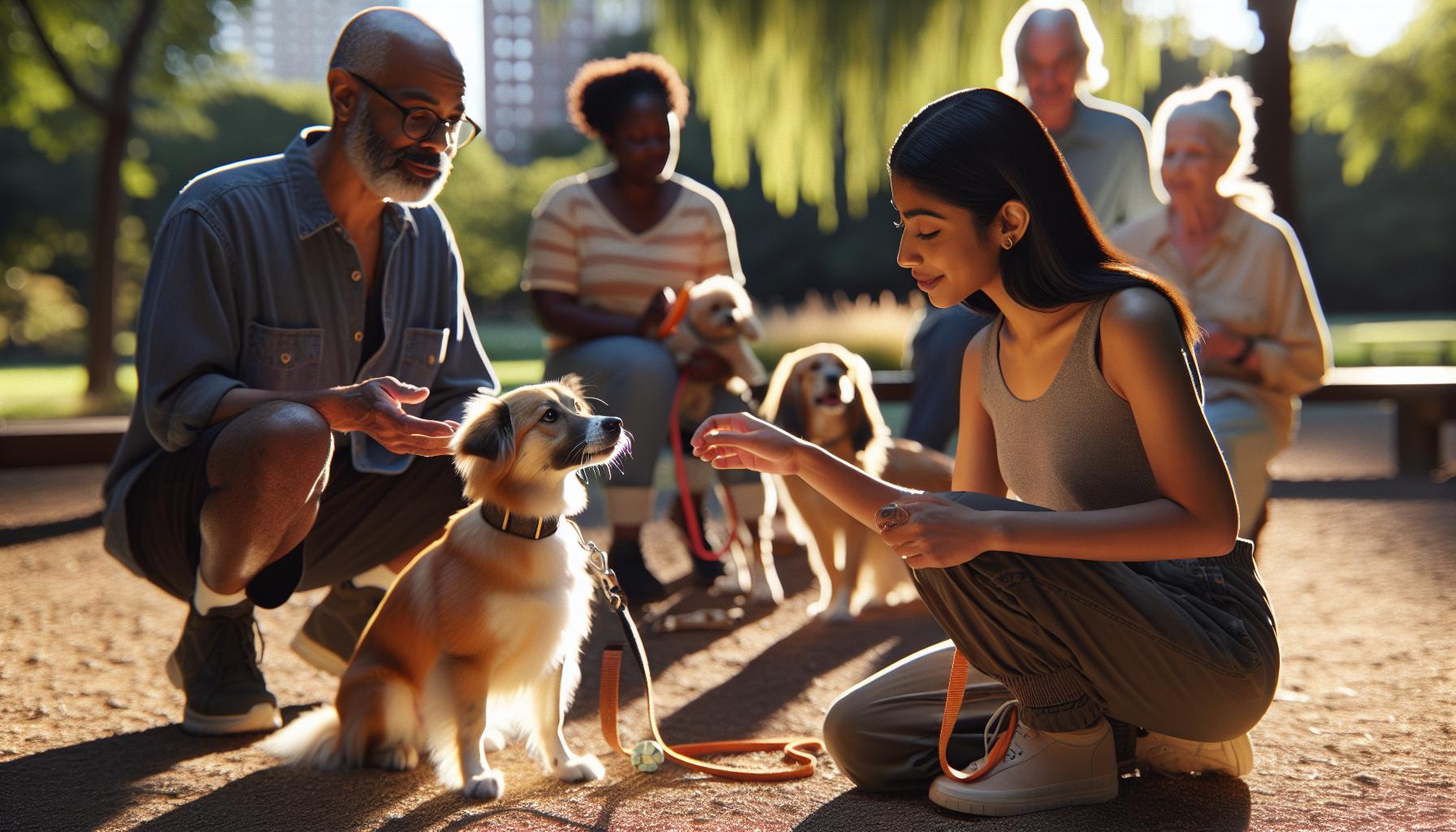
Creating a positive social environment for a timid dog can significantly influence their confidence levels. Socialization isn’t just about exposing your dog to different people, dogs, or environments; it’s about ensuring these experiences are positive and reinforce feelings of safety and fun. The goal is to transform potentially overwhelming situations into opportunities for growth and joy. Start small-finding safe spaces where your dog feels secure is crucial to building confidence.
Gradual Exposure
A gradual approach to socialization is essential for timid dogs. Begin with low-stress environments where your dog can observe the outside world without feeling threatened. This could be your backyard or a quiet park during off-peak hours. Allow them to explore at their own pace-if they seem hesitant, give them time to acclimate and reassure them through gentle encouragement. Over time, as they grow comfortable, you can gradually introduce more stimulating environments.
- Key Steps:
- Start in quiet, familiar places.
- Allow your dog to interact with one calm, friendly dog at a time.
- Gradually increase the number of interactions as they build confidence.
Positive Group Settings
After mastering gradual exposure, consider enrolling your timid dog in a structured socialization class. These classes are typically led by professionals who can guide both you and your dog through various scenarios with plenty of support. Group settings allow timid dogs to interact with other dogs under supervision, making it easier to forge positive associations with social situations.
- Benefits of Classes:
- Controlled exposure to various dog breeds and personalities.
- Professional supervision to prevent overwhelming situations.
- Opportunities to learn from the experiences of other dog owners.
Playdate Strategy
Setting up controlled playdates with calm and friendly dogs can be a game changer. Choose dogs that are well-socialized and have a calm demeanor, as these companions will be less likely to provoke anxiety in your timid dog. During these playdates, maintain short sessions initially, gradually increasing the length as your dog becomes more at ease. Always monitor interactions closely, rewarding your dog for displaying confidence and curiosity.
- Playdate Tips:
- Keep the atmosphere light-hearted and fun, using toys to engage.
- Celebrate any positive interaction with treats and encouragement.
- Take breaks if your dog appears overwhelmed; it’s important not to push too hard.
By prioritizing gradual exposure, positive group interactions, and controlled playdates, you create a multifaceted approach to socializing your timid dog while helping them build confidence. Over time, these negative associations with social environments can transform into positive experiences, empowering your dog to embrace new situations with a sense of security and joy. Always remember to celebrate small victories, as each step forward will contribute toward your dog’s journey from fearfulness to fearlessness.
Gradual Exposure to New Experiences
Allowing a timid dog to face new experiences gradually can be a transformative journey, both for the pet and the owner. Many dogs express fear through withdrawal, barking, or even aggressive behaviors when confronted with unfamiliar sights, sounds, or situations. However, by incorporating a steady and thoughtful approach to exposure, you can cultivate resilience and confidence in your four-legged friend. The aim is to create small, manageable encounters that help your dog build a positive association with the outside world, minimizing feelings of anxiety and promoting a sense of safety.
Begin your gradual exposure strategy in familiar and low-stress environments. Your home or a calm area in your backyard can serve as the perfect foundation. From here, you can slowly introduce your dog to new stimuli, such as the sound of traffic, children playing, or other animals in a controlled manner. Instead of overwhelming them all at once, start with soft background noises or sights at a distance. Monitor your dog’s reactions closely; if they seem anxious, it’s essential to back off and give them time to process. You can use treats or toys to create positive associations during these encounters, rewarding calm behavior with praise and encouragement.
As your dog becomes comfortable, gradually increase the complexity of the experiences. For example, after successfully observing from a distance, you might consider attending a small outdoor gathering. Choose events already familiar to your dog, like a family picnic where you can control the interactions to ensure they feel secure. You can introduce one calm and friendly dog at a time or allow encounters with friendly adults who understand the importance of being non-threatening. By setting the scene for incremental challenges, you support your dog’s ability to adapt without escalating their fear.
Remember that each dog has its own unique pace of learning and adaptation. Celebrate every small victory along the way, whether it’s standing calmly at the sight of another dog or walking toward an unfamiliar object. This approach not only enhances their confidence but also helps nurture the trust between you and your pet. Always keep sessions positive and take breaks if needed. With patience and consistency, you’ll witness your dog transition from a state of fearfulness into one of eagerness and joy, ready to explore the world around them.
Engaging Games to Boost Confidence
Engaging your timid dog through play not only serves as a fun activity but is also a powerful tool for building confidence. Incorporating games into your routine can create joyful experiences that encourage your dog to step outside its comfort zone. One effective approach is to use interactive toys, such as puzzle feeders or treat-dispensing balls. These toys stimulate your dog’s curiosity and problem-solving skills, rewarding them with tasty treats for their efforts. Start with simpler toys and gradually introduce more challenging puzzles, allowing your dog to experience the satisfaction of success and boosting their self-esteem.
In addition to toys, consider incorporating training games into your bonding time. Games that reinforce commands, like “sit” or “stay,” can be both a fun challenge and a learning opportunity. Use a clicker or verbal praise as a reward to reinforce positive behaviors. For instance, you can play a game of hide-and-seek where you hide in the house and call your dog to find you. This not only provides mental stimulation but also strengthens your bond, proving to your dog that you’re a fun and trustworthy partner in exploration.
Social games with other dogs can also be beneficial; however, it’s crucial to choose playmates that are calm and well-socialized. Set up safe playdates in controlled environments where your timid dog can observe and gradually engage with other friendly dogs. Start with short sessions and provide plenty of breaks, allowing your dog to pace themselves. These interactions can help your dog learn important social cues, while also gaining confidence through positive reinforcement from their new playmates.
Lastly, make sure to keep the atmosphere light and encouraging. Celebrate every small win, whether it’s taking a step towards a new toy or interacting with a new friend. Use upbeat encouragement and treats to motivate your dog to try new things. This supportive approach helps in transforming their experiences from fear to fun, allowing them to develop into a more confident and fearless companion as they learn that the world can be a safe and enjoyable place.
Training Exercises to Overcome Fear
Helping a timid dog build confidence requires thoughtful training exercises that create positive experiences and reinforce their sense of security. Remember, progress may be gradual, but with patience and consistency, you can help your dog transform from fearful to fearless. Engaging in trust-building activities can empower both you and your dog, creating a stronger bond.
One effective practice is desensitization, where you gradually expose your dog to the things they fear. For instance, if your dog is frightened by loud noises, slowly introduce sounds at a low volume while rewarding calm behavior with treats and praise. As your dog becomes more comfortable, gradually increase the volume. Pairing these experiences with positive reinforcement helps reshape their emotional response from fear to curiosity.
Another beneficial exercise is obedience training, which focuses on basic commands such as “sit,” “stay,” and “come.” These commands can provide a sense of structure for your dog and create opportunities for success. Use a clicker or verbal praise as a reward whenever your dog performs a command correctly. This not only reinforces positive behavior but also fosters a sense of accomplishment in your dog, enhancing their self-esteem over time.
Incorporating cognitive challenge exercises can also help timid dogs gain confidence. Puzzle toys that dispense treats or interactive games like hide and seek can stimulate your dog’s mind. Start with simple tasks that are easy to complete and gradually increase the complexity as they grow bolder. Celebrating small victories, such as discovering a hidden treat, encourages your dog to take risks and face new challenges.
Additionally, keep in mind that building confidence is not just about training; it’s also about routine. Establishing a daily schedule can provide security for a timid dog. Predictability in feeding, walking, and playtime helps them understand what to expect, reducing anxiety.
By integrating these training exercises into your daily routine and maintaining an encouraging atmosphere, you can empower your timid dog to embrace new experiences confidently, ultimately leading to a more secure and joyful life together. With time and effort, your dog will learn that the world is full of exciting possibilities rather than overwhelming fears.
Using Body Language to Communicate with Your Dog
To create a deep, trusting bond with your timid dog, mastering the art of non-verbal communication is essential. Dogs are inherently perceptive to human body language, and they often interpret our actions and posture more than our words. Wanting to reassure your fearful pup? Start by adopting a calm and confident stance. Lower your body to their level to avoid looming over them, which can feel intimidating. Gentle movements and soft eye contact can convey safety, allowing them to feel more secure in your presence.
Key Body Language Tips
- Relaxed Posture: Keep your body loose and relaxed. Avoid crossing your arms or turning your body away, as this may signal discomfort or disinterest. Instead, turn your body toward your dog and keep your arms at your sides.
- Soft Eye Contact: Maintain gentle eye contact, as dogs can interpret prolonged staring as a threat. Instead, utilize slow blinks to signal comfort and safety, which can encourage your dog to approach you.
- Slow Movements: When interacting with a timid dog, slow down your movements. Quick gestures can startle them, pushing them further into their shell. Approach with gentle, deliberate motions, and give them space to come to you.
- Positive Gestures: Kneel or sit on the ground to reduce your perceived size, becoming more approachable. You can also extend a treat or your hand slowly towards your dog, allowing them to come forward on their terms.
Understanding your dog’s body language is equally crucial. Watch for signs of fear, such as cowering, tail tucking, and flattened ears, which indicate that they might need more personal space or time to adjust to a situation. Responding to these cues with patience and empathy can foster an environment where your dog feels understood and safe.
As you cultivate this non-verbal form of communication, you’ll be laying the groundwork for mutual trust. With consistent practice and mindfulness in your interactions, your timid dog can gradually learn to view you as a source of safety and support, empowering them to gain the confidence they need to face the world. Making these small adjustments in how you communicate can yield significant, transformative results in your dog’s overall behavior and self-assurance.
Choosing the Right Tools and Equipment
can be transformative for timid dogs, providing them with the support they need to build confidence. Just as the right environment nurtures a growing child, the appropriate gear can empower your canine companion to explore the world with greater assurance. Investing in high-quality tools that cater to your dog’s specific needs not only ensures their comfort and safety but also fosters positive experiences that contribute to their emotional development.
When selecting equipment, start with the basics. A comfortable, well-fitting harness is preferable to a traditional collar for timid dogs. Harnesses distribute pressure more evenly and eliminate stress on the neck, allowing timid pups to feel secure while exploring. Opt for padded options that provide extra comfort and eliminate chafing during walks. Furthermore, consider a leash that is lightweight and easy to handle; a retractable leash may give your dog the freedom to explore while still allowing you to maintain control.
Interactive Toys and Engagement Tools
Interactive toys are another excellent choice for building confidence. Toys that encourage problem-solving and play can help timid dogs learn to navigate their environment in a stress-free manner. Look for puzzle feeders or treat-dispensing toys that engage their minds while rewarding them with treats. This not only draws their focus away from fear triggers but also reinforces positive behavior.
Consider using calming aids such as anxiety wraps or calming sprays that utilize natural ingredients. These tools can provide immediate comfort during stressful situations, such as trips to new places or encounters with unfamiliar people. Incorporating these elements into your timid dog’s routine can decrease anxiety and promote a sense of safety, helping them feel more grounded.
Safety First
Finally, always prioritize safety. Using visibility gear, such as reflective vests or LED collars, ensures your timid dog can be seen during evening outings, reducing the potential for anxiety from unexpected situations. Additionally, if your dog requires extra comfort in public settings, consider bringing along a familiar blanket or toy that they associate with safety. These small but significant tools can create a familiar atmosphere, allowing your dog to adapt and gain confidence in new surroundings.
By thoughtfully selecting equipment that prioritizes your dog’s comfort, engagement, and safety, you lay the foundation for them to flourish. With each step taken using the right tools, you contribute to their journey from fearfulness to fearlessness, empowering them to embrace the world with newfound confidence.
Success Stories: Transformations from Fearful to Fearless
Many timid dogs have undergone remarkable transformations, proving that with patience and the right strategies, fearfulness can turn into confidence. Take Bella, for example, a rescue dog who would tremble at the sight of unfamiliar people or loud noises. Her owner dedicated time to understanding Bella’s triggers, gradually introducing her to new experiences in a controlled manner. Through consistent positive reinforcement, such as treating Bella whenever she approached a new person or situation, her confidence blossomed. Today, Bella not only greets guests with excitement but also enjoys walks in the park without fear.
Another inspiring story is that of Max, a border collie who was terrified of children after a negative encounter. His owner enrolled him in socialization classes, allowing Max to interact with calm and friendly youngsters in a structured environment. The key was gradual exposure and rewarding Max for calm behavior. Over time, he learned to associate children with positive experiences, ultimately transforming his fear into playful interactions. Now, Max happily joins family gatherings, playing with the kids who once worried him.
For those looking to emulate these successes, here are actionable steps that can help timid dogs become more confident:
- Start Slow: Introduce your dog to new experiences in small, manageable doses. If they hesitate, give them time without pressure.
- Use Positive Reinforcement: Reward your dog for even the smallest steps towards overcoming fears. Treats, praise, and affection can reinforce their bravery.
- Establish a Routine: Creating a consistent routine can provide stability and security, helping your dog feel more at ease.
- Celebrate Progress: Acknowledge and celebrate the small victories. Each step forward is significant and deserves recognition.
By adopting these techniques, dog owners can nurture their pets’ journeys from fearful to fearless, fostering lasting confidence and joy in everyday interactions.
Faq
Q: How can I tell if my dog is timid?
A: A timid dog often displays signs like cowering, avoiding eye contact, hiding, or barking excessively when startled. Observing these behaviors can help you understand your dog’s fearfulness. For more insights, check the section on “Signs of Fearfulness in Dogs.”
Q: What can I do to help my dog cope with new situations?
A: Gradual exposure is key. Start by introducing your dog to new experiences in a controlled manner, rewarding them with treats for positive reactions. This technique builds confidence over time. Explore “Gradual Exposure to New Experiences” for detailed strategies.
Q: Are there specific games that help build a dog’s confidence?
A: Yes, engaging games like fetch and hide-and-seek promote confidence through positive interaction and achievement. Incorporate fun training exercises that challenge your dog while maintaining a positive environment. For a list of games, refer to “Engaging Games to Boost Confidence.”
Q: Why is socialization important for timid dogs?
A: Socialization helps timid dogs learn to cope with new people, pets, and environments. Positive interactions reduce fear and encourage exploration, leading to improved behavior and confidence. This is further explained in “Socialization Techniques for Timid Dogs.”
Q: How long does it take to build confidence in a timid dog?
A: Building confidence varies significantly by individual dog, but expect gradual improvement over weeks or even months. Consistency in training and socialization is essential for lasting results. For tips, refer to “Training Exercises to Overcome Fear.”
Q: Can body language affect my dog’s confidence?
A: Absolutely! Your body language communicates safety and encouragement. Ensure your posture is relaxed, and use calm, confident vocal tones when interacting with your dog. For more details, see “Using Body Language to Communicate with Your Dog.”
Q: What tools can assist in boosting my dog’s confidence?
A: Tools like positive reinforcement treats, comfortable harnesses, and interactive toys can support your dog’s confidence-building efforts. Choosing the right tools can enhance training effectiveness; explore more in “Choosing the Right Tools and Equipment.”
Q: Are there success stories of dogs overcoming timidity?
A: Yes, many dogs have successfully transformed from fearful to confident through dedicated training and supportive environments. Reading these success stories can provide motivation and techniques; check the section on “Success Stories: Transformations from Fearful to Fearless.”
In Summary
Transforming your timid dog into a confident companion is a rewarding journey that takes patience, love, and the right techniques. Remember, every small step you take together fosters not just confidence in your dog but also strengthens your bond. Don’t wait to start this enriching experience; begin implementing the strategies outlined today and see the changes unfold. For more tips, check out our articles on positive reinforcement techniques and understanding dog body language.
We’d love to hear about your progress! Share your experiences in the comments below or connect with fellow dog lovers in our community. And don’t forget to subscribe to our newsletter for more insights and exclusive resources on dog training and behavior. Together, we can create a fearless future for your furry friend!