Did you know that building your dog’s confidence can significantly improve their behavior and overall well-being? Just like humans, dogs can face insecurities, which may lead to anxiety and fearfulness. This guide on “How to Build My Dog’s Confidence: Proven Training Methods” offers effective strategies that cater to both your dog’s personality and your shared experiences. By using positive reinforcement, engaging activities, and socialization techniques, you can help your furry friend overcome challenges and thrive in various environments. If you’ve noticed your dog shying away from new experiences or struggling with fear, you’re not alone, and there is hope. With the right support and training, your dog can blossom into a well-adjusted and confident companion. Dive in to discover actionable steps that will not only help your dog feel more secure but also deepen the bond between you, creating a happier and more harmonious life together.
How Confidence Affects My Dog’s Behavior
Understanding a dog’s confidence level is crucial for interpreting its behavior. Confident dogs typically exhibit a calm demeanor, approach new situations with curiosity, and are more likely to interact positively with humans and other dogs. In contrast, lack of confidence can manifest through fearfulness, anxiety, or aggressive reactions to perceived threats, ultimately hindering the dog’s ability to enjoy life and effectively engage in social situations.
A dog’s behavior is influenced significantly by its past experiences and environment. For instance, a dog that has been inadequately socialized may develop fear responses when encountering unfamiliar people or situations, leading to defensive behaviors like barking or withdrawal. On the other hand, a confident dog may thrive in varying environments, showcasing behaviors like playful engagement and relaxed body language, which enhances the bond with its owner and encourages exploratory behavior.
To help enhance your dog’s confidence, consider techniques that promote positive experiences. Regular exposure to new environments, people, and situations, accompanied by positive reinforcement-like treats and praise-can create a foundation for a confident outlook. Additionally, establishing a consistent training routine offers a sense of security, enabling your dog to learn and embrace challenges with an open mindset. Over time, these strategies can help transform fear responses into curiosity and enthusiasm, empowering your dog to explore its world with greater assurance.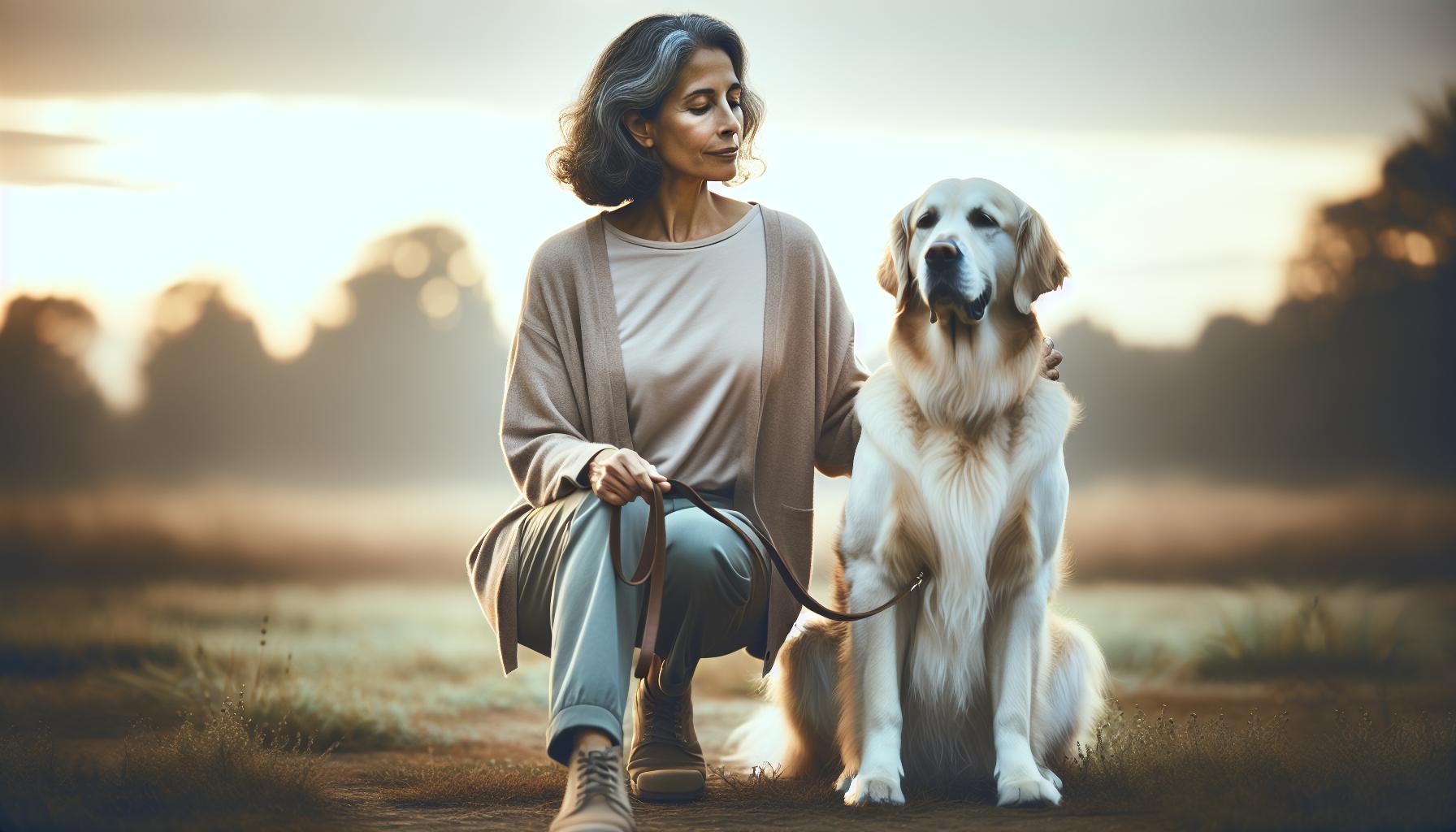
Understanding Canine Anxiety Triggers
Recognizing the signs of anxiety in dogs is essential for fostering their confidence. Just like humans, dogs experience anxiety triggered by a variety of external and internal factors. Understanding these triggers is the first step toward helping your dog navigate and overcome their fears. Some common sources of anxiety in dogs include loud noises, unfamiliar situations, separation from their owners, and negative interactions with other animals or people. A dog’s individual history, including their past experiences and genetic predispositions, can also play a significant role in how they respond to different scenarios.
When assessing what might cause anxiety in your dog, it’s helpful to observe their behavior closely. Signs of anxiety can manifest in various ways: a dog may hide, exhibit destructive behavior, bark excessively, or display avoidance behaviors such as cowering or trembling. Suppose your dog becomes anxious around other dogs or in crowded environments. In that case, they may have had negative encounters in the past, reinforcing their fear of these situations. Paying attention to the specific cues your dog provides can offer valuable insights into their comfort thresholds and help create a customized approach to building their confidence.
To address these triggers, consider implementing gradual exposure techniques combined with positive reinforcement. When introducing your dog to a new experience, take your time, allowing them to adjust at their own pace. For instance, if your dog is nervous about meeting new people, start by introducing them to a calm, familiar friend in a controlled environment before moving on to larger gatherings. Always reward your dog with praise or treats when they respond positively to a new situation-they’ll start associating the experience with positive outcomes.
Incorporating routine, consistency, and secure environments will also reassure your dog. Establish a predictable daily structure and designate safe spaces where your dog can retreat when feeling overwhelmed. Remember, patience is key; building confidence is a gradual process that requires understanding and support. By attending to your dog’s anxiety triggers with empathy and practical strategies, you lay the groundwork for overcoming fears and enhancing their confidence in a supportive, loving manner.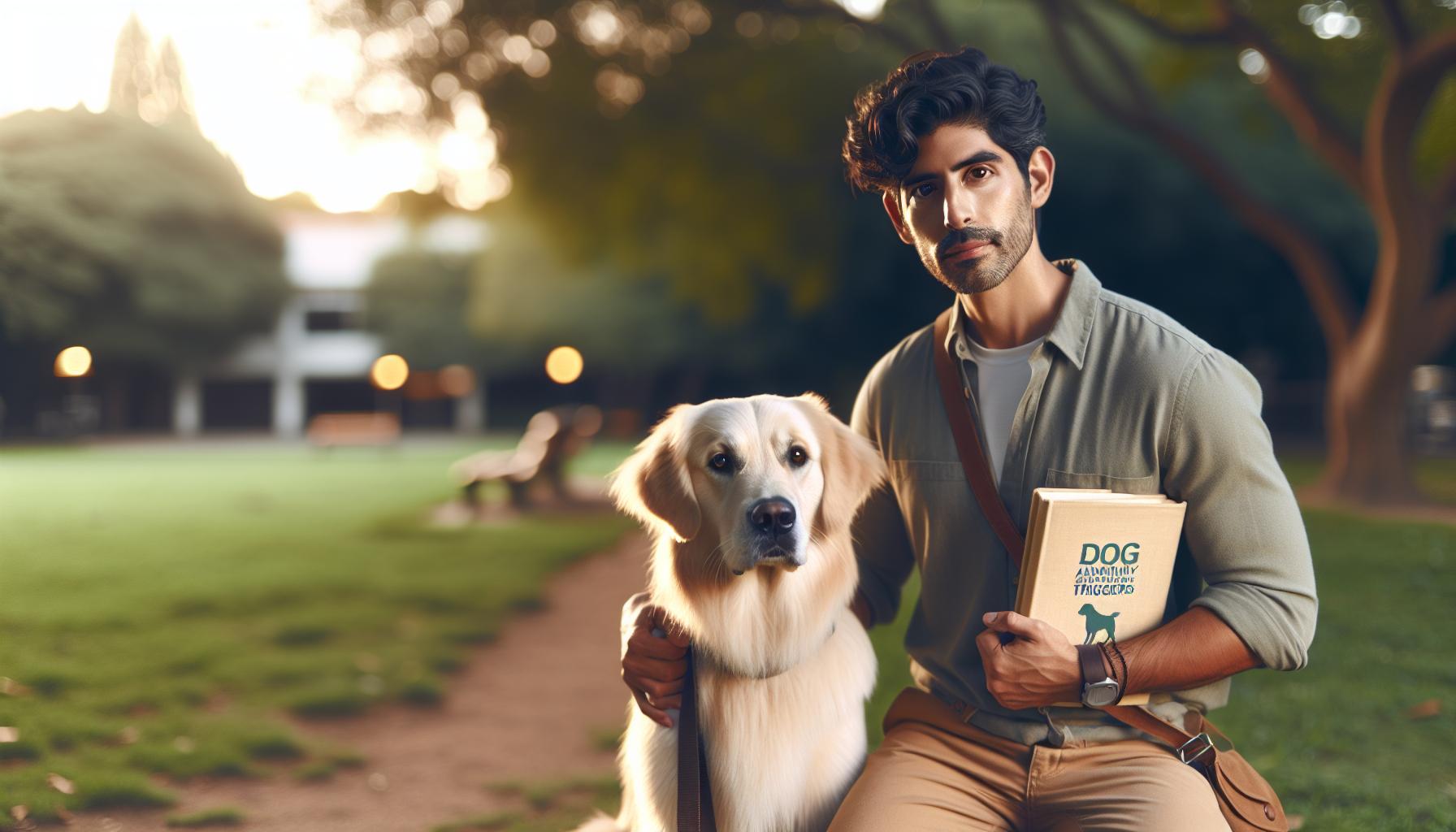
Positive Reinforcement Techniques That Work
To transform a shy or anxious dog into a confident companion, one of the most effective strategies is positive reinforcement. This method hinges on rewarding your dog for desired behaviors, gradually encouraging them to develop self-assurance in various situations. By focusing on what your dog does right-rather than solely on correcting unwanted behaviors-you create a more supportive environment that nurtures their growth.
One fundamental aspect of positive reinforcement is timing. Rewards should be immediate to help your dog make associations between their actions and the rewards they receive. Whether it’s a treat, praise, or a favorite toy, immediate reinforcement helps your dog understand what behaviors are desirable. For instance, if your dog bravely approaches a new person and you reward them with a treat and enthusiastic praise like “Good boy!” or “You’re so brave!”, they learn that being courageous leads to positive outcomes.
Creating a structured approach with clear, achievable goals can amplify the effects of positive reinforcement. Start with small steps-like getting your dog comfortable sitting near a new object or person. Celebrate these small victories with treats or affection. For example, when introducing your dog to a new environment, reward them for calm behavior rather than focusing on their initial hesitation. Make it a game: if they take a step forward toward a triggering situation, acknowledge that progress immediately. This strategy promotes gradual exposure without overwhelming your dog.
Another effective technique is the “clicker training” method, where you use a clicker as a unique sound to mark desired behavior, followed immediately by a treat. The clicker serves as a clear signal that the behavior was right, reinforcing your dog’s understanding and enhancing focus. Over time, they’ll not only improve specific behaviors but also build confidence through a constructive routine.
By implementing these positive reinforcement techniques with patience and consistency, you empower your dog to face new situations with bravery. Celebrate each milestone, reinforcing the notion that trying new things is okay and oftentimes rewarded, fostering a lifelong bond and greater self-confidence in your canine companion.
Creating a Safe and Encouraging Environment
Creating a nurturing environment for your dog is crucial to building their confidence. A stable and reassuring atmosphere allows them to explore the world around them without fear. Dogs, just like humans, thrive in spaces where they feel safe and secure. To establish this kind of environment, one effective strategy is to create a designated safe space or “den” where your dog can retreat whenever they feel overwhelmed. This could be a cozy corner with their bed, favorite toys, and some calming elements like soft blankets. Over time, this safe haven will help them associate that area with comfort and relaxation, allowing them to decompress whenever needed.
Another essential aspect is to manage your dog’s exposure to potentially stressful situations. Gradually introducing new experiences-like meeting new people, seeing other dogs, or exploring unfamiliar places-can help them learn that the world outside isn’t a dangerous place. Start slowly by presenting small, manageable doses of these stimuli. For example, if your dog seems anxious around larger crowds, try taking them to quieter areas before gradually introducing busier environments. Always couple these exposures with positive experiences, like treats or praise, to enhance their positive associations.
Routine can also play a vital role in creating a predictable and comforting environment. Establishing a daily schedule for feeding, walks, and playtime offers your dog a sense of structure. This reliability minimizes surprises that might trigger anxiety, making it easier for them to feel secure. Additionally, engage in soothing activities such as gentle grooming or calm play sessions to further reinforce a sense of safety and connection.
For dogs prone to anxiety, consider integrating calming aids, such as safe chew toys or anxiety wraps, which can help soothe them during stressful times. Combining these elements can lead to a significant transformation in your dog’s emotional landscape, ensuring they feel empowered and confident as they navigate their world.
Fun Exercises to Boost Your Dog’s Self-Esteem
To help your dog blossom into a confident and self-assured companion, incorporating fun exercises into your routine can be a game-changer. These activities not only engage your dog mentally and physically but also instill a sense of achievement in them. When dogs experience success in these exercises, it reinforces their belief in their abilities and encourages them to take on new challenges.
One effective way to boost your dog’s self-esteem is through interactive play. Engage your dog in simple games like “hide and seek,” where you hide and then call your dog to find you. This not only stimulates their mind but also allows them to succeed in locating you, enhancing their confidence. Alternatively, use fetch with toys they love. Celebrate their retrieval with enthusiastic praise and treats. This not only provides a sense of accomplishment but also strengthens your bond and builds a positive association with the game.
Another excellent exercise is obstacle courses. Start with easy challenges such as jumping over low objects or weaving between cones. As your dog masters each task, increase the difficulty gradually. This incremental progression helps them feel accomplished without overwhelming them. Throughout the course, encourage your dog through verbal praise and rewards for completing each segment successfully. Creating a sense of fun and adventure with these obstacles can significantly boost their self-esteem as them navigate through the course.
Incorporating some training drills can also nurture confidence. Teach your dog new tricks, such as “spin,” “roll over,” or “play dead.” Use positive reinforcement methods, rewarding them with treats and affection each time they perform a new trick successfully. Practice these tricks in short, enjoyable sessions, allowing your dog to accumulate mini successes that can contribute to a stronger sense of self-worth.
Regularly practicing these fun exercises fosters not just skill but a positive mindset in your dog. As they grow more comfortable with their abilities, you’ll likely notice an overall change in their demeanor. A confident dog is more likely to take calculated risks and explore their surroundings with curiosity rather than fear, leading to a fulfilling and harmonious lifestyle for both you and your pup.
Socialization Strategies for Confident Dogs
Creating a well-socialized dog is fundamental to fostering confidence. Just as people build self-assurance by interacting with others, dogs thrive in varied environments where they can learn to adapt and feel secure. A positive and robust socialization strategy not only enhances your dog’s confidence but also minimizes anxiety in unfamiliar situations.
Start by exposing your dog to different environments gradually, ensuring each experience is positive. Begin with quiet places and gradually introduce them to busier areas such as dog parks, pet stores, or local events. When exposing them to new settings, consider the following tips:
- Use Positive Reinforcement: Reward your dog with treats and praise during these outings. Reinforcement can help them associate new experiences with positive outcomes.
- Invite Friends with Calm Dogs: Arrange playdates with well-socialized dogs. Observe how they interact; this can guide your dog on proper social behavior.
- Frequent Different Locations: Make it a routine to visit various parks, trails, or friends’ homes. Consistent exposure to diverse settings will help your dog learn to adapt.
To further bolster confidence, teach your dog to meet and greet new people. Encourage family and friends to offer treats when they interact with your dog, so your pup learns that strangers can be sources of fun. Always monitor interactions and guide them if they seem overwhelmed. Be patient; the goal is to develop their confidence without causing stress or anxiety.
Socialization doesn’t end after puppyhood. Continue integrating your dog into new situations throughout their life. Regularly participating in group training classes or community dog events can provide ongoing exposure and help maintain their social skills. Remember, a confident dog is one that views the world as an exciting place filled with possibilities rather than threats. This mindset shift can transform their behavior and ultimately enrich your bond with them.
Overcoming Fear with Gradual Desensitization
To effectively help your dog conquer fears and build confidence, it’s essential to embrace the principle of gradual desensitization. This approach is not just about confronting a fear head-on but about gently acclimating your dog to the source of anxiety in a controlled and positive manner. By slowly introducing your dog to what they’re afraid of, while providing reassurance and rewards, you set the stage for them to learn that these triggers are not threats.
Start by identifying what specifically triggers your dog’s fear. It could be loud noises, strangers, or certain objects. Once you’ve pinpointed these triggers, create a hierarchy of situations, beginning with the least intimidating scenario. For instance, if your dog is afraid of loud sounds, you might start with recordings of noises played at a low volume from a distance while engaging them in a fun activity, like playing fetch. As your dog becomes more comfortable, incrementally increase the volume or move closer to the source, all the while ensuring they are rewarded with treats or praise for showing calm behavior.
Maintaining a calm demeanor during these exercises is critical. Dogs are highly attuned to human emotions, so your confidence and calmness will reassure them. If you observe them becoming anxious, it’s crucial to back off to a previous level of exposure where they felt secure. Reinforce positive responses, and avoid any form of punishment or reprimands, as these can exacerbate anxiety and fear.
Moreover, incorporate relaxation techniques such as teaching your dog to settle on a mat or bed when faced with anxiety-inducing situations. This not only provides a safe space for your dog but also helps them learn to self-soothe. By practicing desensitization over time, your dog will gradually learn to view previously daunting stimuli with curiosity rather than fear, fostering a stronger foundation of confidence that can enhance their overall well-being.
The Role of Play in Building Confidence
Engaging in play with your dog does more than provide a fun outlet; it creates a powerful avenue for building confidence. Dogs naturally thrive on play, which stimulates their instincts and promotes emotional well-being. Playtime is an opportunity for them to explore their surroundings in a safe manner, helping to reduce anxiety and fostering a sense of security. Through playful interactions, dogs can learn to face new challenges, develop problem-solving skills, and improve their social behaviors-all essential components in boosting confidence.
One effective way to integrate play into your confidence-building plan is through interactive games like fetch or tug-of-war. These games not only entertain but also encourage dogs to take risks and chase after things they might initially be hesitant about. For a more structured approach, consider introducing toys that require your dog to think, such as puzzle feeders or treat-dispensing toys. These challenges promote mental stimulation, allowing your dog to experience success as they figure out how to access the treats, thereby reinforcing their self-esteem.
Emphasizing Positive Experiences
During play, it’s crucial to focus on positivity. Celebrate small victories even if they seem trivial, such as encouraging your dog when they successfully retrieve a toy or explore a new area. Use treats and verbal praise to celebrate these moments. Creating an environment where your dog feels accomplished during play is essential for reinforcing a ‘can-do’ attitude. Moreover, mixing up the activities can keep things exciting and engaging. Rotate toys or try new games to stimulate your dog’s interest and showcase their versatility.
Additionally, consider scheduling regular play dates with other dogs. This not only provides a social setting for your dog to interact but also allows them to learn appropriate play behaviors. Observing and engaging with other dogs can help to build confidence as they learn from those around them. Just ensure that the playmates are compatible and friendly, creating a supportive atmosphere that encourages your dog to express themselves without fear.
Incorporating play into your dog’s daily routine isn’t just about having fun-it’s a vital component in building their confidence. By creating positive and varied play experiences, you enable your dog to learn, grow, and ultimately face the world with renewed self-assurance.
Using Obedience Training to Empower Your Dog
Obedience training is one of the most transformative tools available for dog owners seeking to enhance their furry companions’ confidence. When dogs learn commands like “sit,” “stay,” and “come,” they gain a clearer understanding of the expectations within their environment. This consistent framework not only helps them feel secure but also empowers them to navigate various situations with increased assurance. A well-trained dog experiences a sense of achievement that can translate into greater self-esteem, thereby mitigating behavioral issues often associated with anxiety and uncertainty.
To get started, develop a training routine that emphasizes positive reinforcement. This approach encourages desired behaviors through rewards, such as treats, praise, or play. For example, when your dog successfully follows a command, immediately reward them to reinforce the behavior. Over time, your dog will associate following commands with positive outcomes, solidifying their confidence. Keeping training sessions brief-around 5 to 10 minutes-and engaging helps maintain your dog’s interest and enthusiasm.
Establishing Clear Communication
Effective obedience training hinges on clear communication between you and your dog. Use consistent commands and hand signals to help your dog understand what is expected of them. For instance, if you use “sit” to indicate that they should lower into a sitting position, ensure that you use this same verbal cue each time rather than mixing it up with alternatives like “down.” This clarity reduces confusion and builds your dog’s confidence as they achieve success in compliance.
It’s also beneficial to practice commands in varied environments, gradually introducing your dog to distractions. Start in a quiet space, then slowly incorporate increasingly challenging settings, like a park. This incremental exposure allows your dog to generalize learned behaviors, contributing to their overall confidence in different situations. Celebrate their successes, no matter how small, with enthusiastic praise or treats, reinforcing that they are on the right track.
Obedience training is not just an obligation-it is an opportunity for bonding, understanding, and mutual growth. By investing time and energy into training, you create a safe and supportive environment where your dog can thrive and build lasting confidence. Remember, patience and consistency are key; the journey of empowerment through training is just as important as the destination.
Recognizing Progress in Your Dog’s Confidence Journey
Recognizing your dog’s progress on their confidence journey is crucial for both their development and your relationship. Just as humans need validation in their efforts, dogs thrive on acknowledgment of their achievements, no matter how small. A sudden wag of the tail, a playful bow, or a confident strut can all signify a shift in their self-esteem. Observing these signs allows you to adjust your training methods, ensuring they align with your dog’s emotional growth.
To effectively track advancements, consider establishing a progress log. Document specific behaviors and situations where your dog has shown improvement, such as engaging more readily in play or responding positively to stimuli that previously caused anxiety. This log acts not only as a motivational tool but also as a roadmap highlighting areas that still need attention. Here are some key indicators to watch for:
- Increased Interaction: Notice if your dog approaches new experiences (like visitors or different environments) with less hesitation.
- Improved Focus: If your dog can maintain concentration during training sessions or when distracted by the outside world, it’s a sign of growing trust and confidence.
- Joyful Play: Engage your dog in playtime. A dog that initiates play or explores new toys exhibits a newfound sense of security.
- Positive Responses to Commands: If your dog is enthusiastically following commands, especially in varying environments, this shows their confidence is blooming.
Create opportunities to celebrate these milestones. Use affirmative language and rewards, making each success feel meaningful. Even an incrementally better reaction to a known trigger is a victory worth celebrating. Reinforcing these moments not only bolsters your dog’s confidence but also strengthens your bond. Always remember that confidence building is a journey – each step forward deserves recognition, as it brings your furry friend closer to being a happy and self-assured companion.
When to Seek Professional Help for Anxiety Issues
Feeling anxious is not just a human experience; our canine companions can face their own types of anxiety, which can affect their behavior profoundly. Recognizing when it’s time to seek professional help for your dog’s anxiety can make a significant difference in their comfort and social interactions. If your dog displays persistent signs of anxiety, such as excessive barking, destructive behavior, or withdrawal, it may be time to reach out to a qualified professional.
A crucial indicator that prompts the need for expert intervention is if you notice your dog’s anxiety escalating despite employing basic training techniques and reassurance. For instance, if your dog reacts with fear towards certain stimuli-like loud noises, strangers, or other animals-exposing them to these triggers might only intensify their stress. Here are some signs indicating that it’s beneficial to consult a professional:
- Prolonged Stress Responses: If your dog shows signs of extreme fear or anxiety for an extended period, such as trembling, whining, or pacing, it’s essential to seek help.
- Self-harm or Destructive Behavior: Dogs that resort to self-destructive behaviors, like excessive scratching or chewing on themselves, should be evaluated by a vet or animal behaviorist.
- Severe Behavioral Changes: Sudden shifts in your dog’s behavior, such as aggression, withdrawal, or unwillingness to engage in activities they once enjoyed, can indicate a deeper issue.
- Difficulty Socializing: If your dog struggles to interact with other pets or humans and shows persistent avoidance, professional guidance can provide effective strategies.
Consulting with a veterinarian or a certified dog behaviorist can help in creating a tailored behavior modification plan. This may include behavioral therapies, training regimes, or even medication to help alleviate anxiety. Remember, seeking help is not a sign of failure; it’s a proactive step towards ensuring your dog’s health and happiness. With the right support, you can work together to transform your dog’s anxiety into confidence, paving the way for a more fulfilling and joyful life together.
Maintaining Long-Term Confidence Growth
Maintaining your dog’s confidence growth is a continuous journey that requires patience, consistency, and adaptability. Just like humans, dogs thrive on positive experiences and can quickly revert to anxious behaviors if they feel threatened or unsupported. To foster long-term confidence, it’s essential to implement ongoing practices that encourage bravery and resilience.
Creating a regular routine is foundational in building and maintaining your dog’s confidence. Utilize daily training sessions that incorporate both established behaviors and new tricks, ensuring that all interactions are rewarding and fun. Positive reinforcement techniques-such as treats, praise, or playtime-can help your dog associate learning with positive outcomes. This consistent encouragement instills a sense of security and accomplishment.
Incorporate varied environments into your dog’s routine to build adaptability and reduce anxiety. Expose them to different walking routes, settings, and social situations gradually. Start with less crowded environments before introducing them to busier locations, allowing your dog to navigate novelty at their own pace. During these outings, monitor your dog’s body language; if they appear overwhelmed, decrease the difficulty of the exposure and reward them for bravery. Balancing challenges with ample encouragement is key to their confidence development.
Regular socialization is another pillar of maintaining confidence. Arrange meet-ups with well-trained dogs or friendly humans, ensuring these encounters are positive and without pressure. Moreover, incorporate playdates where your dog can express themselves freely and build social skills through healthy interactions. Remember, each small victory during these sessions can significantly boost their self-esteem.
Lastly, don’t underestimate the power of routine check-ins on your dog’s emotional health. Keep an eye on any signs of anxiety and be proactive in addressing potential triggers before they escalate. This vigilance will also help you recognize when adjustments to your strategies are needed. Aim for gradual challenges, allowing time for your dog to acclimate before introducing new experiences. By fostering a supportive and engaging environment, you empower your dog to thrive, solidifying their long-term confidence and overall well-being.
Faq
Q: How can I tell if my dog is lacking confidence?
A: Signs of low confidence in dogs include fear of new situations, reluctance to explore, submissive behavior, and excessive barking or growling. Observe how your dog reacts to unfamiliar people or noises, as hesitation or withdrawal can indicate anxiety. Understanding these behaviors can guide you in implementing confidence-building techniques.
Q: What specific training exercises can help build my dog’s confidence?
A: Exercises like hide-and-seek, agility courses, and interactive toys can boost your dog’s confidence. Incorporating basic obedience training with positive reinforcement also helps dogs feel more secure and empowered. Refer to the “Fun Exercises to Boost Your Dog’s Self-Esteem” section for tailored recommendations.
Q: How does socialization help improve my dog’s confidence?
A: Socialization exposes your dog to various environments, people, and other animals, reducing anxiety and promoting self-assurance. Gradual introductions during puppyhood or later can enhance social skills, making your dog more comfortable in diverse situations. Consider using strategies from the “Socialization Strategies for Confident Dogs” section for effective approaches.
Q: Why is positive reinforcement important in building a dog’s confidence?
A: Positive reinforcement encourages desirable behaviors by rewarding your dog, reinforcing their sense of security and self-worth. This technique fosters a trusting bond between you and your dog, making them more willing to take on new challenges. Explore the “Positive Reinforcement Techniques That Work” section for practical tips.
Q: How can I create a safe environment for my dog during training sessions?
A: To create a safe environment, ensure the training space is free from distractions and potential hazards. Use familiar items like toys or blankets that comfort your dog. Gradually expose them to new stimuli in a controlled manner, which is discussed in the “Creating a Safe and Encouraging Environment” section.
Q: What role does regular playtime have in boosting my dog’s confidence?
A: Regular playtime helps reduce anxiety and builds confidence by allowing dogs to explore their environment playfully. It also strengthens your bond and encourages relaxation. Incorporate fun activities that engage their instincts, as detailed in the “The Role of Play in Building Confidence” section.
Q: When should I consider professional help for my dog’s anxiety?
A: If your dog’s anxiety significantly interferes with their daily life or training progress, professional help may be necessary. Look for signs such as persistent fear responses or aggression. Refer to the “When to Seek Professional Help for Anxiety Issues” section for guidance on finding the right support.
Q: Can my dog’s diet affect their confidence levels?
A: Yes, a balanced diet directly influences overall health, including mood and behavior. Nutritional deficiencies can exacerbate anxiety and fearfulness. Ensure your dog receives a complete diet, which can be discussed further in the context of general dog health to support confidence-building efforts.
The Way Forward
As you embark on the journey to build your dog’s confidence, remember that patience and consistent training are key. The proven methods we’ve shared will not only help your furry friend overcome challenges but also enhance your bond. Don’t wait to implement these strategies – start today and watch the transformation unfold.
For more valuable insights, explore our articles on dog training techniques and health and nutrition tips to support your dog’s overall well-being. Have questions or experiences to share? We’d love to hear from you in the comments below! Join our community and subscribe to our newsletter for ongoing support and resources, and let’s continue this journey together, helping your dog become the confident companion you both deserve.