Building confidence in a dog mirrors the journey many of us face in our lives: overcoming fears and unlocking potential. Just like nervous pups, we often experience moments of self-doubt that hinder our growth. However, fostering resilience and self-belief in ourselves and our canine companions is essential. This article delves into actionable techniques for cultivating confidence in dogs, offering insights that resonate with our personal development journeys. By understanding the psychological foundations behind anxiety-whether in a four-legged friend or ourselves-we can create supportive environments that empower progress. As you read on, discover strategies that not only help your dog but also reflect on your own path to authentic self-assurance, encouraging transformation at every step.
Building a Strong Bond: Understanding Your Dog’s Needs
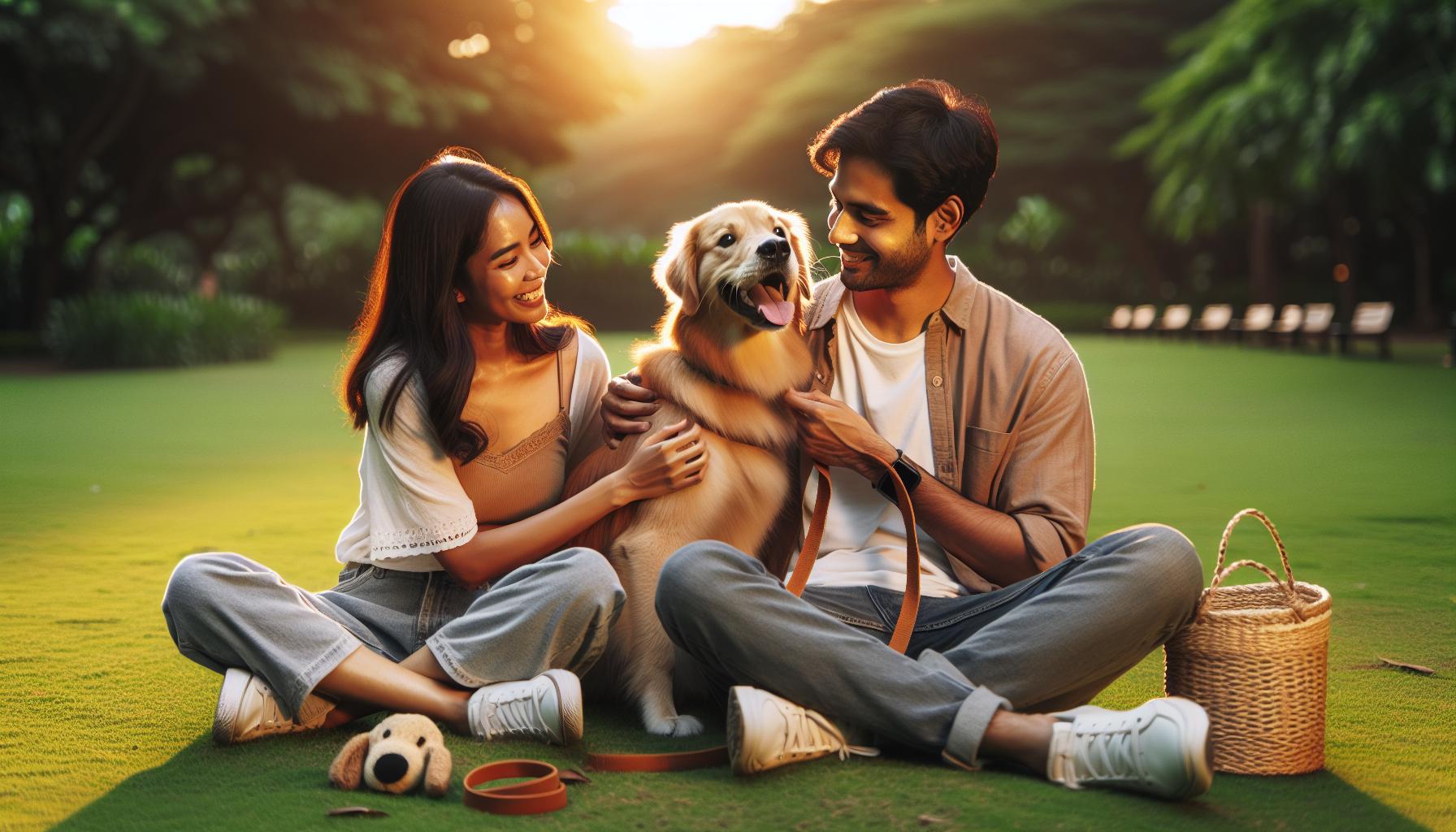
Understanding your dog’s needs is essential for building a strong bond that fosters confidence and trust. Just like humans, dogs have distinct personalities, fears, and desires that shape their behavior and emotional state. They communicate their needs through body language, vocalizations, and their reactions to various situations. Observing these cues can give you valuable insights into what your dog is comfortable with and what might be causing them anxiety.
To start nurturing this bond, prioritize providing a supportive environment where your dog feels safe and valued. This involves maintaining consistency in your interactions, which helps dogs feel secure. Create routines around feeding, walking, and playtime that your dog can rely on, reducing uncertainty in their day-to-day life. Additionally, be patient and empathetic when your dog displays fear or anxiety. For example, if they shy away from strangers or loud noises, acknowledge their feelings rather than pushing them into uncomfortable situations. Instead, let them approach new experiences at their own pace.
Building a trusting relationship is not just about addressing fears but also about celebrating your dog’s achievements, no matter how small. Reward good behavior with praise and treats, reinforcing positive actions that can boost their confidence. Regularly dedicate time to engage in interactions that your dog enjoys, whether that’s fetch, tug-of-war, or simply cuddling on the couch. These moments not only strengthen your bond but also reinforce their sense of security, showcasing that their happiness is a priority. Ultimately, understanding your dog’s specific needs will guide your approach and facilitate a more confident, happy companion.
The Importance of Confidence in Dogs and Humans
Confidence serves as the bedrock for positive experiences in both dogs and humans, influencing how we engage with the world and one another. For dogs, a confident demeanor can foster better interactions with people, other animals, and new environments, ultimately leading to a happier, healthier life. Similarly, when humans embody confidence, they navigate challenges more effectively-be it in relationships, the workplace, or social situations. This interconnectedness underscores the need for confidence-building exercises that benefit not only our canine companions but also ourselves.
To cultivate this essential trait, embrace the concept of gradual exposure. Just as a shy dog benefits from slowly being introduced to different stimuli, humans can enhance their confidence by facing their fears in manageable steps. For instance, if public speaking induces anxiety, starting with small groups and gradually increasing the audience size allows for constructive practice without becoming overwhelming. Such incremental exposure builds resilience and reinforces a sense of achievement, bridging the confidence gap.
Another powerful method for enhancing confidence is through positive reinforcement. In dogs, this takes the form of treats and praise given for displaying brave behavior, such as approaching a new person. This not only encourages the dog but also fosters trust in its handler. For humans, similarly celebrating small wins-whether it’s a compliment at work or a friendly conversation-can boost self-esteem. Keeping a gratitude journal to note these achievements can remind you of progress, fortifying your belief in your own capabilities.
Moreover, creating an environment that prioritizes emotional safety is foundational for both dogs and humans. Just as a supportive atmosphere helps a dog learn without fear, cultivating spaces where individuals feel accepted and valued enables growth. This might involve surrounding oneself with positive influences and being selective about whom to engage with, allowing a supportive network to flourish. Ultimately, the journey of confidence-building not only enriches the lives of pets and their owners but also transforms their interactions in profound and meaningful ways, establishing a cycle of growth and support that resonates in all aspects of life.
Effective Training Techniques to Enhance Canine Confidence
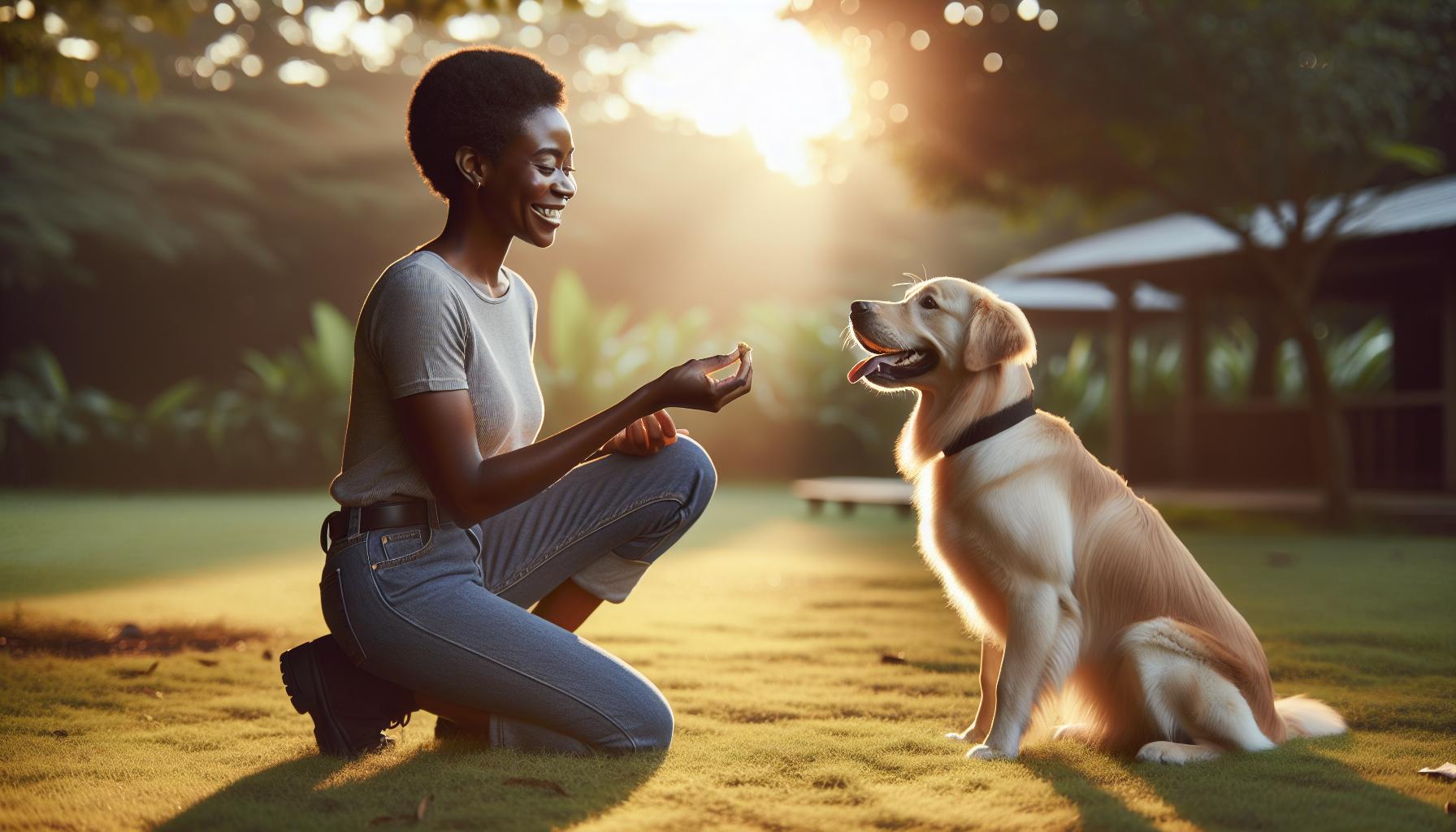
Building a confident dog is akin to nurturing your own sense of self-assurance; both require understanding, patience, and effective strategies that encourage growth. Effective training techniques play a crucial role in this process. Utilizing a combination of positive reinforcement, gradual exposure, and consistent routines can transform a fearful or anxious dog into a self-assured companion, while also imparting valuable lessons on personal growth and resilience.
Successful training begins with positive reinforcement, a method celebrated for its effectiveness. Providing treats, praise, or playtime as rewards when your dog exhibits confident behaviors, such as exploring new areas or meeting unfamiliar people, reinforces those actions. For example, when introducing your dog to new experiences, celebrate each small victory, whether it’s approaching a new person or staying calm in a crowded park. By highlighting these achievements, you increase your dog’s confidence, teaching them that the world can be a safe and enjoyable place.
Gradual exposure is another powerful technique. Just as a timid dog benefits from slowly encountering new stimuli, humans can enhance their own confidence through similar practices. Start by introducing your dog to mildly challenging situations and gradually increase the difficulty. For instance, if your dog is anxious in social contexts, arrange controlled meetings with friendly dogs and engage in positive interactions. This not only provides them with coping strategies but also builds trust in their ability to handle new experiences.
Consistency is key in any training regime. Establishing a structured routine that includes regular socialization, training sessions, and playtime nurtures a secure environment. Dogs thrive on predictability, and a consistent routine minimizes anxiety by offering them a sense of control.
Lastly, consider incorporating desensitization techniques to help your dog overcome specific fears. For instance, if they are fearful of loud noises like thunderstorms, gradually expose them to recorded sounds at low volumes while providing comfort and rewards. Over time, they learn to associate these previously frightening stimuli with positive experiences, bolstering their confidence.
Ultimately, the journey of building confidence in dogs and ourselves transcends fear; it’s about embracing growth through understanding, consistency, and encouragement. By employing these effective training techniques, not only do you cultivate a more confident companion, but you also develop a deeper connection built on trust and mutual respect.
Creating a Safe Environment for Dog Confidence Building
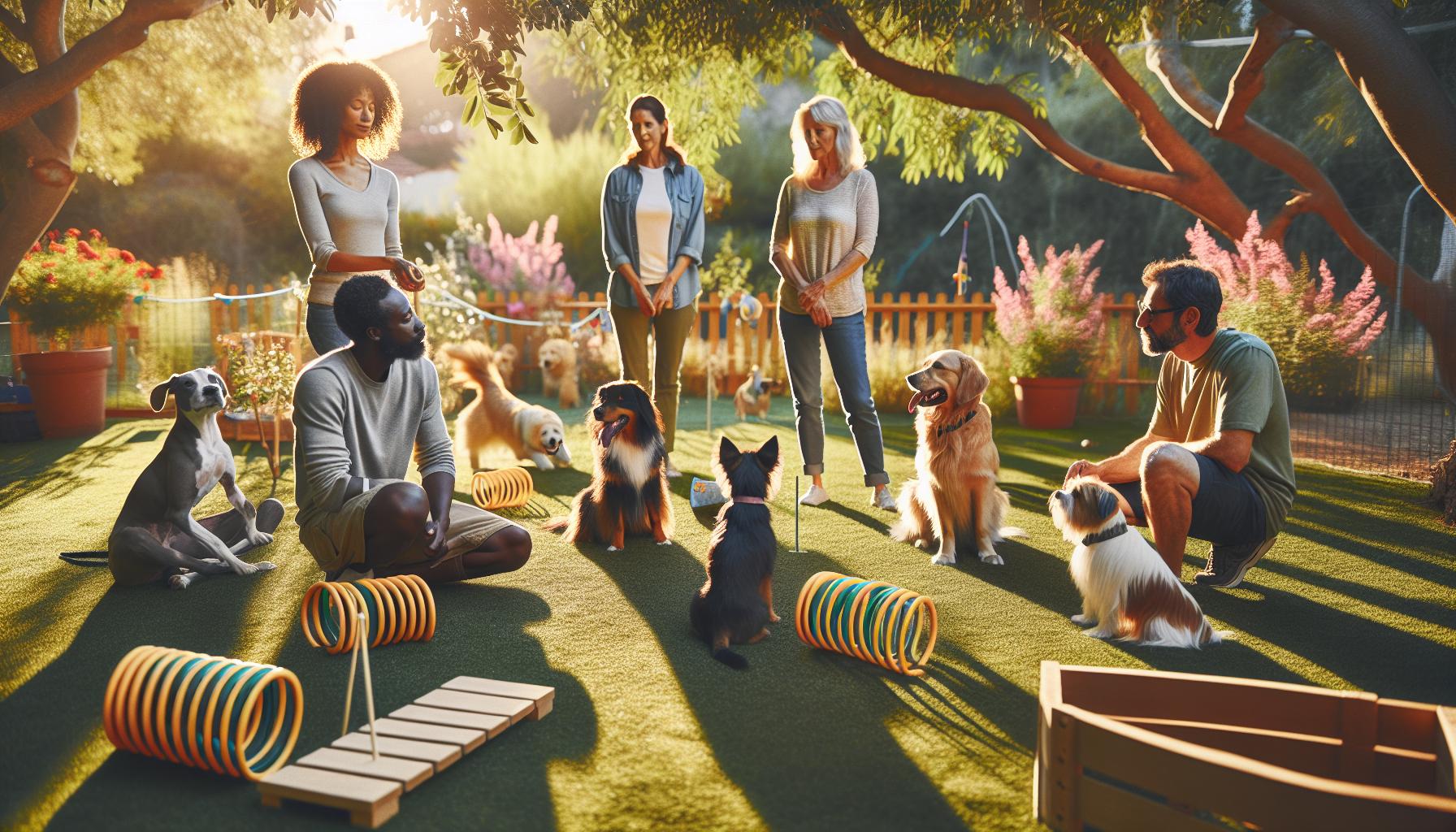
Creating a nurturing and safe environment is essential for fostering confidence in your dog, much like how a supportive atmosphere is crucial for personal growth. Dogs thrive in spaces that allow them to explore without fear or anxiety, and it’s our responsibility to establish surroundings that promote comfort and security. One of the first steps in achieving this is by designating a specific area in your home where your dog can retreat when feeling overwhelmed. This safe space can be a cozy corner with their bed, toys, and blankets, making it a sanctuary where they can relax and recharge.
Another influential factor is the predictability of their surroundings. Incorporating a consistent daily routine not only helps your dog know what to expect but also diminishes anxiety related to the unknown. Schedule regular times for feeding, walks, training, and play sessions. For example, if your dog learns that every afternoon is playtime at the park, they can anticipate these enjoyable experiences, thereby reinforcing their sense of security.
Social interactions should be thoughtfully managed to create positive experiences. For instance, when introducing your dog to new people or environments, ensure the encounters are controlled and gradual. You might start by allowing them to observe from a distance before closing that gap, rewarding them with treats and praise for showing curiosity or calmness. This method aligns with the concept of building resilience in the face of challenges-by facing fears in small doses, both dogs and humans can enhance their coping strategies over time.
Lastly, be mindful of your own emotional state, as dogs are deeply intuitive creatures that often pick up on their owners’ feelings. Demonstrating calmness and confidence in various situations will not only inspire your dog but will also help create a trusting and secure bond between you. Incorporate mindfulness techniques, such as deep breathing before embarking on new experiences together. When your dog sees you managing your feelings constructively, it empowers them to handle their own challenges as well. By cultivating a safe and understanding environment, you enable your dog to flourish and build the confidence that will resonate throughout their lives.
Recognizing Signs of Anxiety in Dogs and Their Owners
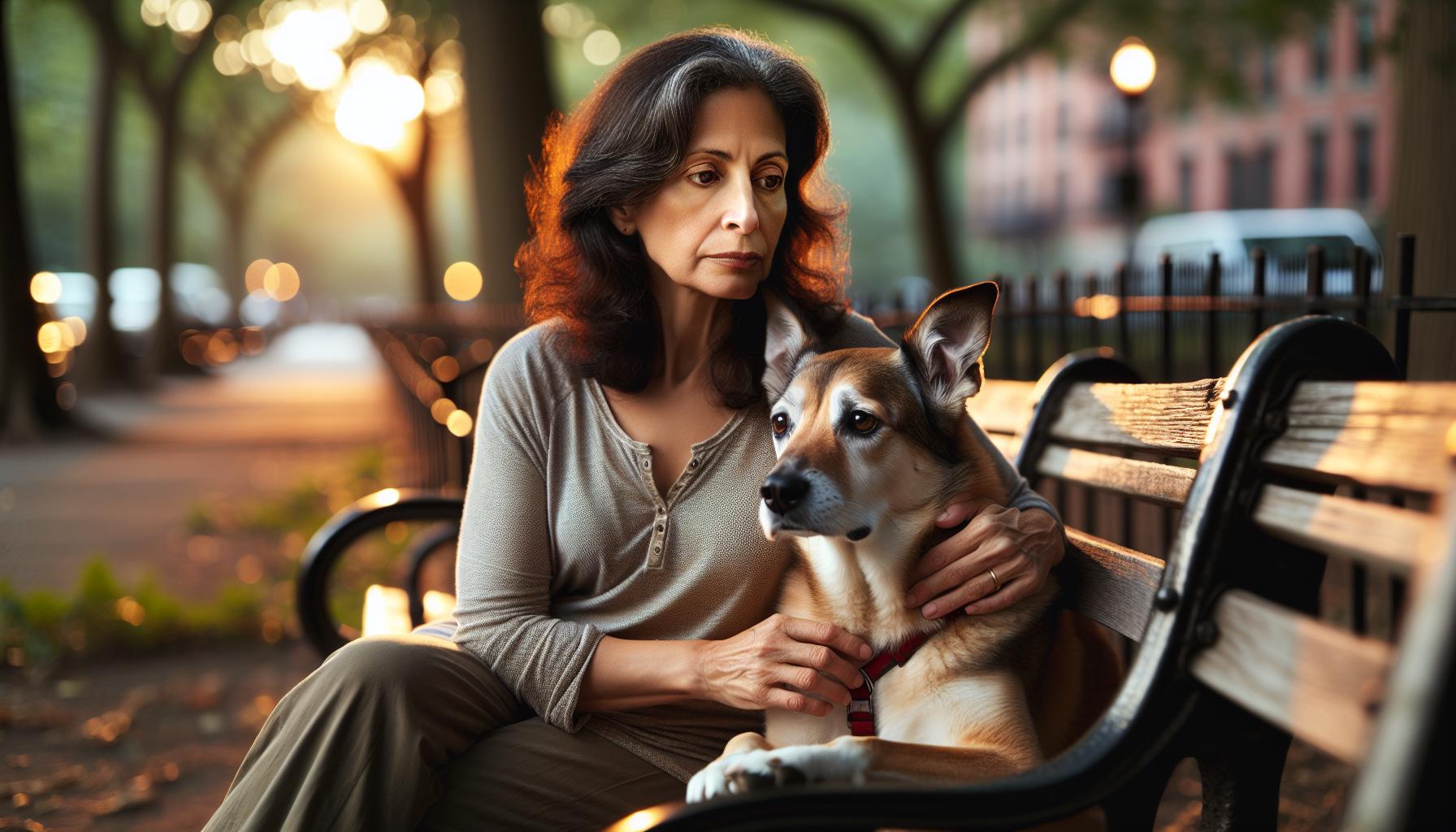
Understanding the signs of anxiety-both in your dog and yourself-can lead to transformative growth and a stronger bond. Just as dogs rely on our cues to gauge their environment, we, too, can become more attuned to their needs and our own emotional states. Recognizing these signs is the first step in fostering confidence, not just for our pets but for ourselves as well.
Dogs display anxiety through various behaviors that may include persistent barking, excessive panting, or hiding. You might notice tail tucking, reluctance to approach new environments, or a lack of appetite. Understanding these signs allows you to respond with empathy and provide the necessary support. For example, if your dog becomes distressed in crowded spaces, find a quiet area where they can decompress, rewarding them for calm behavior. This aligns closely with creating an environment that encourages exploration and security, which is essential for building their confidence.
On the other hand, your own anxiety can manifest in subtle ways that mirror your dog’s stress. You might feel a tightness in your chest before meeting new people or experience racing thoughts about your performance in social situations. These feelings are not just personal hurdles; they can also shape how your dog perceives and reacts to the world around them. Practicing mindfulness-such as deep breathing or grounding techniques-before engaging in new situations can help both you and your pet approach experiences with a more relaxed mindset. When you model calmness, your dog is likely to feel it too, creating a positive feedback loop that encourages confidence in both of you.
To empower yourself and your dog further, start by reflecting on instances that trigger anxiety. Consider keeping a journal where you can note specific situations and your reactions. This practice not only heightens your self-awareness but also equips you with insights on how to adapt and improve your responses over time. Celebrate small victories, like successfully navigating a challenging social gathering with your dog; these moments of growth reinforce the idea that both self-confidence and canine confidence are developmental journeys filled with learning and resilience.
Empowering Yourself: Lessons from Your Dog’s Growth Journey
The journey to building confidence, whether for your dog or yourself, involves embracing vulnerability as a catalyst for growth. Dogs demonstrate remarkable resilience; they learn to face their fears through gradual exposure and positive reinforcement. Observing your dog navigate their own challenges can provide profound insights into how you can approach your self-improvement journey. By fostering a supportive environment and employing effective training techniques, you both can cultivate self-belief and courage.
Consider the ways dogs naturally build confidence: they explore their surroundings, engage socially, and are rewarded for their bravery with treats and praise. Mirroring these behaviors can empower you in various aspects of your life. Start by setting small, achievable goals. If social situations make you anxious, choose one or two gatherings each month where you feel a bit more at ease. Prepare yourself mentally by visualizing a positive experience, much like a dog anticipates the joy of fetch. This proactive approach reduces anxiety, allowing you to expand your comfort zone gradually.
Another impactful strategy is to practice positive self-talk and affirmations. Just as you would praise your dog for overcoming a hurdle, acknowledge your own achievements, no matter how small. Celebrate your courage in taking a step forward, whether it’s initiating a conversation or volunteering for a presentation at work. Creating a personal mantra-like “I am resilient” or “I face challenges with confidence”-can shift your mindset and cultivate a sense of empowerment.
Incorporating activities that blend training with bonding, similar to engaging in agility courses with your dog, can also build confidence. These activities encourage trust and cooperation, not only between you and your pet but within yourself as well. Lean into the partnership by experiencing challenges side by side; this shared adventure fosters resilience and reinforces the idea that growth happens in a supportive environment. Embrace this transformative journey, drawing lessons from your dog’s resilience, and let it inspire you to transcend your own fears.
Practical Steps to Boost Your Dog’s Self-Esteem
Building a dog’s self-esteem is much like nurturing our own confidence; it relies on small wins and consistent encouragement. Each time your dog overcomes a challenge, whether it’s meeting a new friend or navigating different environments, you lay a foundation for greater self-assurance. To effectively boost your dog’s self-esteem, consider incorporating a variety of practical steps that allow for gradual exposure to new experiences paired with positive reinforcement.
Start Small and Celebrate Achievements
Begin by introducing your dog to low-pressure situations where they can succeed. This might involve practicing basic commands in a familiar environment before venturing out to new locations. Celebrate their achievements with treats or praise to positively reinforce their actions. A great example could be using the “sit” command when you’re at home, rewarding with treats. Once they’ve mastered that, try the same command in the backyard or during a walk. By gradually increasing the difficulty, your dog learns that success is achievable, building their confidence incrementally.
Engage in Fun Activities
Incorporating playful activities can drastically enhance your dog’s sense of security and joy. Activities like fetch, agility courses, or nose work engage your dog physically and mentally, allowing them to use their instincts and strengths. These games not only keep your dog engaged but also show them that trying something new can bring fun rewards. Start with simple tasks and gradually introduce complexity, ensuring to celebrate all successes, no matter how small.
Create Positive Social Encounters
Socialization is crucial in building confidence. Arrange playdates with calm, friendly dogs or take your dog to dog parks during off-peak hours. Avoid overwhelming situations; rather, focus on creating positive associations. Encourage interactions, reward calm behavior, and use toys or treats to facilitate engagement with new dogs. The more experiences your dog has in a safe environment, the more secure they become regarding social settings.
Foster a Routine
Dogs thrive on routines, which can help them feel safe and secure. Establish a regular schedule for walks, training, and playtime. This predictability can reduce anxiety and apprehension when facing new situations. Ensure that your dog knows what to expect, and maintain a calm demeanor during any transitions, as dogs often take emotional cues from their handlers.
Implementing these strategies can create a nurturing environment that fosters a strong sense of self-worth in your dog. Remember, building confidence is a journey that takes time, patience, and plenty of love. By committing to these practical steps, you not only enhance your dog’s confidence but also strengthen your bond, leading to a more harmonious relationship.
Socialization Strategies for Confident Dogs and Handlers
Building a strong social foundation for your dog is pivotal to fostering their confidence and ensuring they are well-adjusted companions. Just like we sometimes need gentle nudges to step outside our comfort zones, dogs thrive in environments where they can explore, interact, and learn without fear. Engaging in social situations not only enhances your dog’s skills but can also reflect on your own confidence as a handler.
One effective strategy is to incorporate gradual exposure to new environments and situations. Start with less crowded settings where your dog can focus on social interactions at their own pace. For instance, initiate playdates with one or two well-socialized dogs first. This facilitates an atmosphere of comfort rather than competition or overwhelm. Enhance this experience by rewarding your dog for calm behavior with treats or praise, reinforcing positive associations with social encounters. As your dog gains confidence, gradually increase the number of dogs or the intensity of the environment, allowing them to build resilience step by step.
Creating a routine around socialization also bolsters confidence. Regular outings-be it to dog parks, training sessions, or group classes-help to cement these experiences into their daily lives, giving them something to look forward to. Incorporate short, consistent sessions so that your dog becomes accustomed to the idea that meeting new dogs or encountering unfamiliar situations can be rewarding and safe. Aim to create a habit; dogs are creatures of routine, and predictability can significantly reduce anxiety.
Furthermore, embrace the power of mindfulness. Be aware of your dog’s body language and emotional state during social interactions. This not only helps you respond appropriately but also encourages you to manage your anxiety levels. Dogs are perceptive to their handler’s emotions; when you display calmness and confidence, it positively influences their feelings and behaviors. Techniques such as deep breathing or positive visualization before interactions can help ease your own nerves, allowing you to project a sense of security that your dog can latch onto.
By implementing these strategies, you not only help your dog feel more confident but also empower yourself in the process. Each interaction provides you both with opportunities to learn and grow together, transforming challenges into shared victories that strengthen your bond. With patience and commitment, you’ll witness a remarkable transformation in both your dog’s social skills and your handling confidence.
Mindfulness Techniques for Dog Owners and Their Pets
In the fast-paced world we live in, moments of calm and connection with our pets can drastically improve both their and our own confidence. Mindfulness techniques not only enhance our awareness of our dogs’ needs but also help us cultivate a peaceful state of mind that empowers us to face challenges together. By practicing mindfulness, we create a stronger bond with our dogs, allowing them to feel secure and confident in their surroundings.
One effective way to practice mindfulness with our dogs is through conscious breathing exercises. Before entering a new social environment or encountering a potential stressor, take a moment to breathe deeply. Inhale slowly through your nose, hold it for a few seconds, then exhale through your mouth. Repeat this for several cycles. This practice calms your mind and signals to your dog that the situation is manageable. They will pick up on your energy, helping them to remain calm as well.
Moreover, being observant of your dog’s body language can lead to better responses to their emotional state. During walks or playdates, take note of signs of anxiety or excitement, such as a tucked tail or stiff posture. This awareness allows you to interact appropriately and help your dog feel secure. You might say, “It’s okay,” in a gentle tone, reassuring them that they are safe. Celebrating small victories, like successfully meeting another dog, with treats or praise reinforces their confidence.
Another valuable technique is visualization. Before encountering new people or situations, visualize your dog feeling relaxed and confident, engaging positively with their environment. This simple practice can manifest a calming energy, preparing both of you to approach new situations with confidence. Couple this with regular practice of routines and rituals that signal to your dog that they are in a secure space, and you’ll establish a comforting environment that nurtures confidence.
By incorporating these mindfulness techniques, you not only enhance your dog’s confidence but also strengthen your own emotional resilience. Empowering yourself through mindfulness can significantly alter your perception of challenges, teaching both you and your dog that together, you can navigate the world with courage and joy.
Overcoming Personal Fears: What Dogs Teach Us About Courage
To truly understand the strength of courage, one need only look to our canine companions. Dogs, by their nature, embody the steadfastness of facing their fears head-on. Whether it’s fear of loud noises, unfamiliar people, or new environments, their journey to overcome these challenges offers powerful lessons for us. As pet owners, we can draw parallels from the way dogs navigate their anxieties, reminding ourselves that with patience and persistence, we too can cultivate courage in our lives.
When a fearful dog is introduced to a situation that causes anxiety, their journey begins with small, manageable exposures. This incremental approach not only allows them to acclimate but also empowers them to experience success. For example, if a dog is afraid of meeting new people, starting with quiet, calm interactions, gradually increasing the complexity of the environment, can lead to significant improvements. By applying this method to our own lives, we can tackle personal fears-whether they involve speaking in public, engaging in social situations, or pursuing new career opportunities-by breaking them down into smaller, less intimidating steps.
Alongside this strategy is the principle of positive reinforcement. Just as dogs thrive when rewarded for facing their fears-receiving treats or praise for brave behaviors-we too can uplift ourselves through self-affirmation and support. Celebrating small victories, such as completing a challenging task or successfully initiating a conversation, fortifies our belief in our capabilities. Building a personal cheerleader’s approach fuels our courage and disrupts the cycle of self-doubt, enabling us to push against the boundaries of our comfort zones.
Furthermore, observing our dogs’ resilience teaches us an essential truth: it’s perfectly okay to be vulnerable. Dogs are instinctively aware of their emotions and, rather than hiding their fear, they express it. Embracing this honesty encourages us to acknowledge our feelings and challenges openly. This sense of vulnerability, in turn, strengthens our emotional foundations, allowing us to pursue personal growth authentically. By learning from their unguarded spirit, we can cultivate a deeper sense of courage within ourselves, transforming fear into a catalyst for positive change.
To harness the inspiration from our dogs, consider integrating the following strategies into your personal growth journey:
- Set Incremental Goals: Identify one fear and break it down into smaller steps that feel attainable.
- Reward Yourself: Celebrate each small victory with a personal reward, fostering a sense of achievement.
- Practice Vulnerability: Share your fears with a close friend or family member to create a supportive environment.
- Reflect on Progress: Keep a journal to track your emotional journey and recognize your growth over time.
By emulating the bravery of our dogs, we can cultivate a resilient mindset that not only nurtures our confidence but also enriches our overall well-being. When we embrace the lessons our furry friends provide, we discover that courage is a journey, not a destination, and that each step forward is a testament to our evolving strength.
Inspiring Confidence Through Positive Reinforcement
Building confidence in dogs through positive reinforcement is a transformative process that not only enhances their behavior but also teaches valuable lessons for personal growth. Positive reinforcement involves rewarding desired behaviors to encourage their recurrence. This technique resonates deeply with both canines and humans, proving effective in cultivating self-belief and resilience. By celebrating successes, no matter how small, we promote a culture of affirmation that nurtures growth and durability in the face of challenges.
Consider using treats, praise, or play as rewards when your dog bravely navigates a difficult situation. For instance, if your fearful dog approaches a new person, offer enthusiastic praise or a favorite treat. This immediate reinforcement solidifies the positive experience in their mind, motivating them to face similar situations in the future. Similarly, in your own journey, acknowledging your efforts with self-rewards-be it treating yourself to a coffee after attending a difficult meeting or simply writing down your accomplishments-can help to build momentum and strengthen your self-esteem.
Moreover, the timing of rewards is crucial. Just as dogs thrive on immediate feedback, we too benefit from instant recognition and positivity. Practicing mindfulness and being present in our moments of achievement allows us to appreciate our growth fully. For example, after giving a successful presentation, take a moment to relish the experience, reflecting on your preparation and the applause that followed. This reflection reinforces the belief that you can tackle future challenges with the same tenacity.
Implementing strategies that integrate the principles of positive reinforcement into your daily life can create profound changes. Here are a few actionable approaches:
- Establish a Reward System: Create a list of rewards that inspire you, ranging from simple pleasures like a favorite snack to larger goals, like a weekend getaway.
- Acknowledge Efforts: Each week, note down three achievements, however minor they seem. This practice helps shift focus from what you didn’t do to recognizing your progress.
- Use Affirmations: Craft positive affirmations that resonate with your goals. Repeat them daily to reinforce the belief in your capabilities.
- Visualize Success: Spend a few minutes each day visualizing a successful outcome in a situation that makes you anxious, amplifying the positive feelings associated with achieving it.
Through these practices, the lessons learned from our dogs resonate in our own lives, reminding us that celebrating small victories fosters an environment where confidence can flourish. By embracing the simple yet profound approach of positive reinforcement, both you and your dog can embark on a journey of growth and empowerment together, building a foundation of trust, courage, and resilience.
Transformative Dog Activities to Build Mutual Trust
Building mutual trust with your dog is not just beneficial for their confidence but also enhances the bond you share. Engaging in transformative activities together creates opportunities for growth and connection, encouraging both you and your furry companion to overcome fears and embrace new challenges.
Activities such as agility training can significantly boost a dog’s self-assurance. As they learn to navigate obstacles, they also develop problem-solving skills and resilience. Start with simple equipment like tunnels or jumps, gradually increasing the difficulty. Celebrate each success with enthusiastic praise or treats, reinforcing their achievements and fostering a sense of accomplishment.
Another powerful way to build trust is through scent work or nose games. Dogs naturally rely on their sense of smell, and allowing them to engage in activities that utilize this instinct can be incredibly rewarding. Hide treats around your home or yard, encouraging your dog to sniff them out. This not only enhances their mental stimulation but also deepens the trust they place in you as a leader, knowing you provide fun challenges.
Additionally, consider involving your dog in everyday routines which can strengthen your partnership. For example, bringing them along on walks or errands allows them to explore new environments in a supportive context. This exposure can diminish anxiety and promote confidence as they learn to navigate the world beside you. Make it a practice to frequently introduce them to different stimuli-other dogs, people, and various landscapes-while remaining calm and supportive, helping them realize that they can face these situations with you by their side.
Ultimately, the key to fostering mutual trust lies in consistency and positive reinforcement. Approach each activity with patience and a mindset geared towards building a nurturing environment. Through these shared experiences, you reinforce the concept that exploring new challenges together is both safe and enjoyable, paving the way for a relationship defined by loyalty, understanding, and shared growth.
FAQ
Q: What activities can I do to help my dog build confidence?
A: Engaging your dog in fun activities like nose work exercises, interactive games, and calm exploration walks can significantly boost their confidence. These activities stimulate their mind and help them feel more secure in their environment, reinforcing a positive bond between you and your dog.
Q: How can I recognize signs of a lack of confidence in my dog?
A: Signs of low confidence in dogs include cowering, avoidance of eye contact, excessive barking, or trembling. Observing these behaviors can help you identify when your dog may be feeling anxious or insecure, prompting you to implement strategies to support their growth.
Q: Why is positive reinforcement important in building a dog’s confidence?
A: Positive reinforcement encourages desirable behaviors by rewarding your dog, which helps them associate learning and new experiences with positive outcomes. This approach fosters self-esteem and enhances their willingness to explore and engage with their environment confidently.
Q: How does socialization impact a dog’s confidence?
A: Socialization exposes your dog to various environments, people, and other animals, which can improve their ability to cope with new stimuli. Proper socialization is crucial for building confidence, enabling your dog to navigate unfamiliar situations calmly and with assurance.
Q: When should I start building my dog’s confidence?
A: You should begin building your dog’s confidence as early as possible, ideally during their puppyhood. Early intervention helps shape their reactions to different stimuli and situations, promoting a more confident adult dog.
Q: What role does my behavior play in my dog’s confidence building?
A: Your behavior significantly affects your dog’s confidence. Staying calm, positive, and supportive encourages your dog to mirror that behavior, reinforcing their self-esteem. Practicing mindfulness and patience during training can create a safe space for growth.
Q: How can creating a safe environment improve my dog’s confidence?
A: Providing a safe and secure environment helps your dog feel protected and reduces anxiety. Establishing predictable routines and safe spaces, like cozy beds or specific play areas, allows your dog to thrive and explore without fear.
Q: How can mindfulness techniques benefit both my dog and me?
A: Mindfulness techniques can enhance your awareness of your dog’s needs and emotions, helping you respond calmly during stressful situations. Practicing mindfulness improves your bond, reduces both your anxieties, and creates a more confident atmosphere for your dog to flourish.
Insights and Conclusions
As you embark on your journey to build confidence in your dog, remember that each small victory paves the way for larger growth-both for them and yourself. Confidence is not just about behavior changes; it’s a transformative process that enriches the bond you share with your furry friend. Don’t wait! Start incorporating the techniques outlined today to see immediate improvements.
If you’re looking for further insights, check out our articles on overcoming social anxiety in pets, or explore effective strategies for enhancing communication with your dog. Join our newsletter for exclusive tips and updates, and consider sharing your progress in the comments below-your experiences may inspire others! Building confidence, whether in a dog or yourself, is a journey worth taking. Let’s continue to navigate this path together and foster meaningful growth.