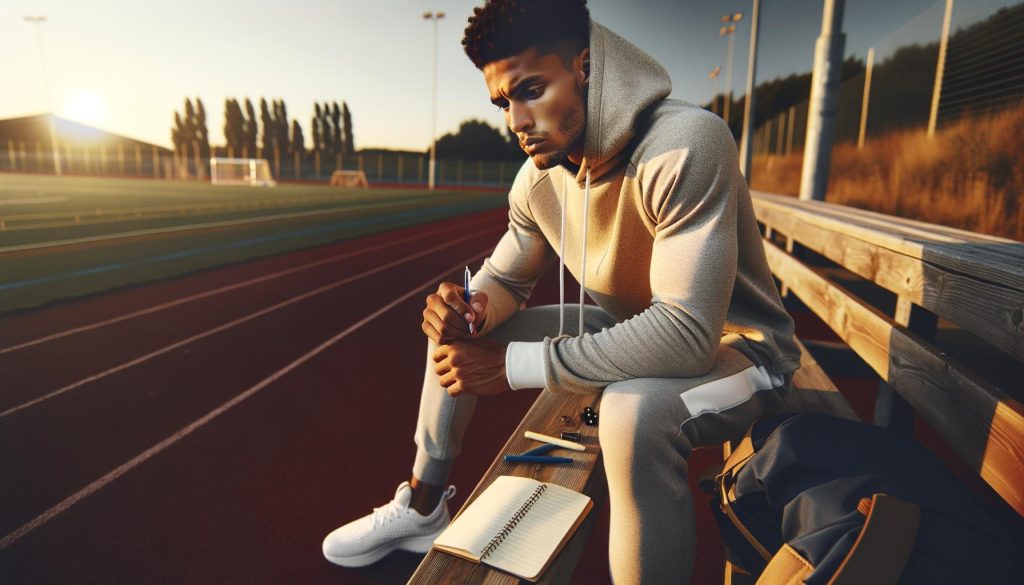
In the world of sports, confidence can be just as crucial as physical skill. Did you know that athletes with strong mental resilience often outperform their more talented peers? In “How to Build Confidence as an Athlete: Mental Game Mastery,” we will delve into actionable strategies that empower you to cultivate genuine self-belief and overcome the anxiety that can accompany competition. Whether you’re a seasoned athlete or just starting, building confidence is essential for reaching your potential and achieving your goals. This guide addresses common struggles with self-doubt and equips you with evidence-based techniques to enhance your mental game, enabling you to approach each challenge with clarity and poise. Embrace the journey of mental mastery and discover how to transform your mindset into your greatest ally on and off the field.
Understanding the Importance of Mental Toughness
The journey of an athlete is often punctuated by challenges, setbacks, and moments of self-doubt. Mental toughness emerges as a critical component of success, serving as an internal fortitude that helps athletes weather the storms of competition and practice alike. It’s not merely the ability to push through pain; it represents a profound resilience that can empower athletes to face obstacles head-on. Athletes equipped with mental toughness often display a unique ability to maintain focus under pressure, adapt to changing situations, and recover from defeats with a renewed sense of purpose.
Understanding mental toughness starts with recognizing its importance in an athlete’s performance. Research indicates that the psychological aspects of sport are just as crucial as physical skills. A study might reveal that athletes with high levels of mental toughness can perform better in high-pressure situations like finals or pivotal matches. This psychological resilience allows them to channel anxiety into focus, transforming potential fears into competitive fuel. By cultivating this toughness, athletes can build an unshakeable confidence that propels them even in the face of adversity.
Developing mental toughness is not an overnight process; it requires consistent effort and practice. Techniques to enhance this mental resilience can range from visualization exercises to mindfulness practices. For instance, daily journaling can help athletes reflect on their experiences and identify patterns in their thought processes, thereby nurturing a growth mindset. Engaging in positive self-talk is another crucial aspect. Athletes are encouraged to replace negative thoughts with affirmations that reinforce their capabilities and worth, creating a powerful internal dialogue that fosters confidence.
Moreover, learning to embrace discomfort is integral to mental toughness. It involves stepping out of one’s comfort zone-be it during rigorous training sessions or competitive matches. This willingness to confront and endure discomfort correlates with greater confidence and a sense of accomplishment. As athletes overcome various challenges, they pave the way for greater achievements, reinforcing their belief in their abilities. The path may be fraught with obstacles, but the growth that stem from those experiences can foster a level of confidence that is both authentic and transformative.
Developing a Winning Mindset for Athletic Performance
To excel in athletic performance, developing a winning mindset is crucial. This mindset acts as an inner compass that guides athletes through the challenges of training and competition. Research indicates that the mental component often outweighs physical skills; an athlete’s self-belief and psychological resilience can significantly influence performance outcomes, especially in high-stakes situations. Cultivating this mindset involves a multifaceted approach that combines positive thinking, strategic goal setting, and most importantly, the ability to embrace failure as an essential part of the growth process.
Strategies for Cultivating a Winning Mindset
- Focus on Goals: Clear, measurable, and realistic goals provide direction and motivation. Break down long-term aspirations into smaller, manageable objectives, and celebrate each achievement to boost confidence.
- Positive Self-Talk: Combat negative thoughts by replacing them with affirmations that highlight strengths. Repeating phrases like “I am capable” or “I can overcome challenges” helps to rewire your mindset over time.
- Learn from Setbacks: Viewing challenges and failures as opportunities for growth fosters resilience. Reflect on what went wrong, adjust strategies, and approach future scenarios with renewed perspectives.
- Visualization Techniques: Envisioning successful outcomes prepares the mind for competition. Athletes can practice imagining themselves performing at their best, which can create a sense of familiarity and reduce anxiety.
Incorporating these strategies consistently will support the establishment of a strong mental framework, essential for navigating the ups and downs of athletic life. By working on building this mindset, athletes not only enhance their performance but also cultivate an enduring confidence that translates beyond sports into all areas of life. Embracing this journey of self-discovery equips athletes with the tools needed to thrive, both on and off the field.
Overcoming Fear and Anxiety in Competitive Situations
The tension before a big game or competition can be overwhelming, manifesting itself as fear or anxiety that stems from the pressure to perform and the fear of making mistakes. Recognizing that these feelings are common among athletes is the first step toward overcoming them. The emotional state of an athlete significantly impacts performance; thus, managing fear and anxiety can lead not only to improved results but also to a more enjoyable experience in sports.
Understanding the source of anxiety is crucial. Many athletes feel pressure to win or fear judgment from coaches and peers. Acknowledging this pressure can help diffuse its intensity. A technique that proves effective is controlled breathing. Before competition, take a moment to focus on deep, slow breaths. This practice can activate the body’s relaxation response, reducing tension and promoting a sense of calmness.
- Develop a Pre-Game Routine: Establishing a consistent routine can anchor you in moments of uncertainty. This routine might involve specific warm-up exercises, mental affirmations, or visualization of a successful performance. Familiar surroundings and actions can create a comfort zone that mitigates feelings of anxiety.
- Reframe Negative Thoughts: Challenge your inner critic by flipping negative thoughts into positive affirmations. Instead of thinking, “What if I fail?” consider, “I am prepared and ready to give my best.” This simple shift in language empowers athletes to approach each competition with confidence.
- Mindfulness Practices: Engaging in mindfulness exercises can enhance present-moment awareness, helping you focus on the task rather than potential outcomes. Techniques such as meditation or mindful stretching can ground you and reduce racing thoughts that contribute to anxiety.
Additionally, visualization plays a pivotal role in overcoming fear. Picture yourself succeeding: see the ball going into the net, hear the cheers from the crowd, and feel the rush of accomplishment. By vividly imagining these scenarios, you can create a mental blueprint that prepares you for competition, easing anxiety and reinforcing self-belief.
In competitive situations, fear and anxiety do not have to be your adversaries; with the right strategies, they can transform into motivation and focus. By embracing practical techniques like controlled breathing, creating pre-game rituals, reframing thoughts, and practicing mindfulness, you can build a stronger, more confident mental framework to face challenges head-on.
Visualization Techniques to Enhance Your Confidence
Visualization is a powerful practice that can significantly enhance an athlete’s confidence on the field or court. By training your mind to create vivid images of success, you can stimulate the same neural pathways activated during real performances, effectively preparing your body and mind for competition. Studies have shown that athletes who engage in visualization techniques report higher levels of confidence and decreased anxiety, allowing them to perform at their best when it matters most.
To integrate visualization into your routine, start by finding a quiet space where you can focus without distractions. Close your eyes, take a few deep breaths, and imagine yourself performing a particular skill or routine flawlessly. Visualize the sensations you would experience-the sound of your foot striking the ground, the feeling of the wind against your skin, or the pressure of the ball in your hands. This mental rehearsal reinforces muscle memory and conditions you to anticipate success.
It’s essential to use all your senses during this practice. Instead of merely picturing the performance, include sounds (like the crowd cheering), smells (such as fresh-cut grass), and emotions (the thrill of victory). This multisensory approach not only strengthens your belief in your abilities but also makes the visualization feel more real, engendering deeper confidence.
Additionally, consider developing a “success playlist” of affirmations or positive statements that you can repeat during your visualizations. Phrases like, “I am strong,” “I am prepared,” and “I thrive under pressure” can reinforce the images you create. Pairing these statements with your visualized scenes creates a powerful loop of belief and performance, turning anxiety into excitement and self-doubt into unequivocal confidence. By consistently practicing these techniques, you empower yourself to face challenges head-on, resulting in improved performance and enhanced self-belief.
Building Resilience Through Positive Self-Talk
While it’s easy to let negative thoughts infiltrate our minds, especially during high-pressure moments in sports, the power of positive self-talk can significantly boost resilience and confidence. When faced with challenges, the words you speak to yourself can either lift you up or bring you down. Research indicates that athletes who engage in constructive self-dialogue are more likely to overcome setbacks and perform effectively under pressure. Transforming your internal dialogue can reshape not only your athletic performance but also your overall sense of self-worth.
To cultivate resilience through positive self-talk, start by identifying negative phrases that frequently arise in your mind during stressful situations, such as “I can’t do this,” or “I always mess up.” Once recognized, challenge these thoughts. Replace them with affirmations that reinforce your strengths and abilities. For instance, shift to “I am prepared for this challenge” or “I learn and grow from every experience.” This cognitive restructuring helps retrain your mindset, fostering a more optimistic outlook.
Incorporating a daily practice of positive affirmations can solidify this new approach. Set aside a few minutes each morning to repeat empowering statements like, “I am strong, capable, and ready,” aloud. Visualizing your success while stating these affirmations can further embed these thoughts into your subconscious, making them more instinctive during crucial moments in competition.
Moreover, keep a journal dedicated to your athletic journey. Regularly write about your achievements, no matter how small, and moments when your positive self-talk made a difference. This not only reinforces your resilience but also creates a tangible record of your growth. Over time, this practice serves as a reminder of your strength and capability, continuously fueling your self-belief and confidence in the face of adversity. By actively nurturing your internal dialogue, you empower yourself to rise above self-doubt and fully embrace the athlete within.
Cultivating a Growth Mindset in Sports
The journey of an athlete involves a continuous cycle of learning, adapting, and overcoming challenges. Embracing a growth mindset is essential for athletes who seek to build genuine confidence and achieve their goals. This mindset invites athletes to view obstacles as opportunities for growth rather than insurmountable barriers. By focusing on progress rather than perfection, athletes can cultivate resilience, increasing their confidence in their abilities and decision-making processes.
To nurture a growth mindset, start by reframing how you perceive failures and setbacks. Instead of allowing disappointment to create self-doubt, consider what each experience teaches you. For instance, after a poor performance, ask yourself, “What can I improve?” or “How can I prepare differently next time?” This shift in perspective not only diminishes fear and anxiety but also encourages a proactive approach to personal and athletic development. Write down lessons learned from each experience, turning negative situations into building blocks for future success.
Incorporate practical exercises to reinforce this mindset transformation. Set achievable goals that challenge your current abilities, such as mastering a new skill or improving your performance metrics. These goals should be specific, measurable, and time-bound to maintain focus and motivation. Celebrate small wins along your journey to solidify your belief in your growth potential, creating a positive feedback loop that enhances self-efficacy.
Moreover, surrounding yourself with supportive peers can further enhance your growth mindset. Engage in team activities where you can share experiences and learn from one another. This collective journey not only reinforces your individual commitment to improvement but also builds camaraderie that fosters confidence. Encourage each other to step outside of comfort zones, whether that’s trying new training methods or participating in competitions, and acknowledge that growth often comes from stepping into the unknown.
Finally, regularly practice self-reflection. This can take the form of journaling or meditative practices where you assess your thoughts and feelings about your athletic pursuits. Recognizing the progress you’ve made, despite challenges, cultivates an internal narrative that champions resilience and persistence. By embracing a growth mindset, you empower yourself to face each competition with renewed confidence, equipped not just to succeed but to learn and evolve as an athlete continuously.
Goal Setting Strategies for Athletic Success
Establishing clear and purposeful goals is an essential element of athletic success. Goals provide a roadmap for performance, motivation, and personal growth. Whether you are a beginner or an elite athlete, effective goal setting is the key to overcoming challenges, enhancing your skills, and building unwavering confidence in your abilities. By setting specific, measurable, attainable, relevant, and time-bound (SMART) goals, you create a structured path that guides your training and competition efforts, fostering a sense of accomplishment and self-belief along the way.
Creating SMART Goals
To get started, define your objectives using the SMART criteria:
- Specific: Make your goals clear and specific so you know exactly what you aim to achieve. For example, instead of saying “I want to run faster,” specify “I want to improve my 5K time by 2 minutes.”
- Measurable: Ensure that your goals can be tracked and measured, allowing you to monitor your progress. This could include metrics like times, distances, or scores.
- Attainable: While aiming high is crucial, it’s also important to set goals that are realistic and achievable based on your current abilities and resources.
- Relevant: Your goals should align with your larger objectives and aspirations in your sport, providing a strong link between daily efforts and long-term success.
- Time-bound: Assign a deadline to your goals, creating a sense of urgency and focus that encourages consistent efforts leading up to key competition dates.
Breaking Down Larger Goals
Once you set overarching performance goals, break them down into smaller, actionable steps or milestones. For instance, if your ultimate aim is to qualify for a prestigious event, outline the necessary skills or fitness benchmarks you need to achieve. Focus on short-term goals, like improving your speed in training sessions or enhancing your endurance through specific workouts. Celebrating these smaller victories not only boosts your confidence but also empowers you to tackle bigger challenges with a positive mindset.
Regular Reflection and Adjustment
Embrace the importance of regular reflection on your progress. Take time to assess what works and what doesn’t, which can help adjust your strategies and set new goals as needed. By journaling your experiences post-training or competition, you create a record of your growth while gaining insights into your performance and mental state. This practice deepens self-awareness and fosters resilience in the face of setbacks, allowing you to adapt and refine your approach continually.
In summary, effective goal setting is a powerful strategy for building genuine confidence as an athlete. By implementing SMART criteria, breaking down larger goals into manageable steps, and engaging in regular reflection, you can create a supportive structure that champions your ambition. This process not only enhances your performance but also transforms challenges into opportunities for growth, reinforcing your belief in your athletic capabilities.
Practicing Mindfulness to Boost Athletic Performance
In the fast-paced and often pressure-filled world of athletics, the mental game can be just as crucial as physical training. Practicing mindfulness offers athletes a powerful tool to enhance their performance, increase focus, and build genuine confidence. By grounding oneself in the present moment, athletes can cultivate a sense of calm amidst the chaos, potentially transforming how they approach competitions and training sessions.
Mindfulness encourages a non-judgmental awareness of thoughts and feelings, allowing athletes to observe their inner dialogue rather than be consumed by it. This practice can help in managing pre-competition nerves and intrusive thoughts, which often lead to self-doubt. For example, before a big race, instead of fixating on potential outcomes or past failures, athletes can focus on their breathing and the sensations in their bodies. This simple shift in awareness can significantly reduce anxiety and increase concentration.
Practical Steps to Incorporate Mindfulness
To harness the benefits of mindfulness, consider integrating the following practices into your routine:
- Mindful Breathing: Spend a few minutes before and after training or competition focusing solely on your breath. Inhale deeply through your nose, hold for a moment, and then exhale slowly through your mouth. This can create a calming effect and help center your thoughts.
- Body Scan: Implement a body scan technique where you mentally focus on each part of your body, from toes to head, observing any tension or discomfort without judgment. This practice fosters a deeper connection with your physical state, enhancing self-awareness during performance.
- Visualization: Pair mindfulness with visualization exercises. Imagine yourself succeeding in your performance while maintaining a sense of calm and control. This not only builds confidence but also prepares your mind for the actual event.
- Gratitude Journaling: Reflect on what you appreciate about your athletic journey. This practice can shift focus from pressures and expectations to a sense of fulfillment and purpose, contributing to a more positive mindset.
By embedding these mindfulness practices into daily routines, athletes can cultivate resilience and enhance their overall mental strength. This approach not only improves competitive performance but also fosters a healthier mindset that translates beyond sports, promoting well-being in all aspects of life.
The Role of Coaching in Confidence Building
An effective coach plays a pivotal role in shaping an athlete’s confidence, serving not only as a mentor but also as a source of encouragement and constructive feedback. Understanding the unique psychological landscape of each athlete is essential; a good coach tailors their approach to meet the individual needs of their athletes, recognizing that each competitor faces their own set of pressures and challenges. This relationship fundamentally influences an athlete’s self-belief and performance potential.
To foster confidence, coaches can begin by setting a supportive environment that emphasizes growth and resilience rather than solely focusing on outcomes. This can be achieved by regularly practicing positive reinforcement, where coaches celebrate both small and significant achievements. For instance, recognizing effort and improvement, not just successful game outcomes, helps athletes build a solid foundation of self-esteem and intrinsic motivation. Coaches should create an open dialogue where athletes feel safe to express their fears and concerns, enabling them to tackle anxiety head-on.
Strategies for Coaches to Build Confidence in Athletes
- Effective Communication: Maintain clear, honest, and constructive communication. Coaches should provide actionable feedback that helps athletes understand their strengths and areas for improvement. Regular check-ins can facilitate this dialogue.
- Goal Setting: Help athletes set realistic, incremental goals that are specific, measurable, achievable, relevant, and time-bound (SMART). This structured approach gives athletes tangible markers of progress, bolstering their confidence when they achieve these mini-goals.
- Emphasize Team Dynamics: Cultivate a team culture where athletes uplift one another. Peer support can significantly enhance confidence, as teammates encourage each other through challenges, fostering a sense of belonging and camaraderie.
- Resilience Training: Teach athletes to embrace challenges and view setbacks as learning opportunities. Promoting a growth mindset allows athletes to see failures not as reflections of their worth but as integral steps in their development.
A coach’s influence extends beyond technique and strategy; by prioritizing confidence-building practices, they can fundamentally alter how athletes view their abilities. When athletes believe in themselves, they not only perform better but also enjoy the process of competing, creating a positive cycle of confidence and success. Ultimately, this foundational support helps athletes tackle their competitive anxieties with strength and resilience, fostering a lifelong love for the sport they practice.
Peer Support and Team Dynamics in Developing Confidence
Building confidence as an athlete often hinges on the relationships formed with teammates. Research indicates that a strong, supportive team environment can significantly enhance individual self-esteem and collective resilience, creating an atmosphere conducive to personal growth and performance improvement. When athletes feel backed by their peers, the fear of failure diminishes, enabling them to take risks and express themselves freely, ultimately fostering a confidence that translates to their performance on the field.
Peer support can take various forms, from shared practice goals to emotional encouragement during high-pressure situations. Athletes who engage in open dialogues about their challenges with teammates often find a sense of camaraderie that alleviates stress. This bond promotes a culture where athletes teach and learn from each other, reinforcing the idea that setbacks are just stepping stones to success. For example, during tough training sessions or competitions, team members can bolster each other’s spirits, reminding one another of their capabilities and pushing through barriers together.
Ways to Cultivate Peer Support
- Team Accountability: Create structures where teammates hold each other accountable for their goals. This can involve accountability buddies or group goal-setting exercises that keep everyone aligned and motivated.
- Encouragement Rituals: Establish pre- and post-competition traditions that celebrate each athlete’s effort, such as group cheers or positive affirmations. This creates a shared sense of purpose and belonging.
- Shared Experiences: Foster opportunities for bonding outside of competition, such as team-building retreats or social gatherings. Strong off-field relationships translate into stronger support networks during competition.
- Feedback and Growth: Implement a peer feedback system where athletes can give and receive constructive criticism in a supportive setting. This encourages growth and reinforces trust among teammates.
By integrating these practices, teams can create a nurturing environment that not only builds confidence among individual athletes but also strengthens the group dynamics. When athletes feel a genuine sense of belonging and support from their peers, they are more likely to take risks, confront their fears, and ultimately reach their full potential. This empowered state of mind is essential for any athlete eager to excel, as it transforms competition into a shared journey of growth and triumph.
Harnessing the Power of Routine for Consistency
Establishing a consistent routine can be a game changer for athletes looking to build confidence. Routines serve as a stabilizing force amidst the unpredictability of competitive sports. When you have a reliable framework for training and preparation, you create an environment where success can flourish. This structure not only helps reduce anxiety and uncertainty but also reinforces self-belief and enhances focus, allowing athletes to channel their energies effectively.
To develop an effective routine, start by identifying key elements that contribute to your athletic growth. This can include physical training, nutrition, recovery, and mental preparation. Establish specific times for each activity, ensuring that they fit seamlessly into your day. For instance, setting aside early mornings for physical conditioning can set a positive tone for the rest of your day, while regular evening reflection sessions might help reinforce lessons learned in training.
Steps to Create Your Routine
- Define Your Goals: Clearly outline what you aim to achieve in your training, whether it’s improving speed, strength, or mental resilience.
- Set a Schedule: Allocate specific times for training, recovery, and mindfulness practices in your daily agenda. Consistency in timing reinforces habit formation.
- Include Cross-Training: Diversify your routine with activities like yoga, swimming, or cycling to improve overall athleticism and prevent burnout.
- Monitor Progress: Keep a journal or use apps to track your workouts and feelings. This not only helps identify successful strategies but also enhances your sense of accomplishment.
- Adjust as Needed: Be flexible with your routine. Life events or unforeseen challenges may require changes, so ensure your routine can adapt while keeping the core components intact.
Every athlete will experience setbacks at some point, but routines equip you to face these challenges with a mindset focused on growth. Regularly executing a well-defined routine builds trust in your abilities, as you repeatedly prove to yourself that you can commit to your goals. When each component of your regimen feels like a stepping stone rather than a hurdle, you cultivate an empowering sense of control over your performance. This heightened self-efficacy directly translates to increased confidence, preparing you not just for competition but for the unpredictable journey of athleticism as a whole.
Physical Preparation: How Fitness Influences Confidence
Achieving peak athletic performance goes beyond technical skills and strategies; it fundamentally intertwines with physical preparation. A well-structured fitness regime not only enhances your physical capabilities but also builds the emotional and mental strength necessary for confident performance. When you invest in your fitness, you equip not just your body but also your mind, fostering a sense of competence that resonates during competitions.
Regular physical training serves as a powerful tool in rewiring your feelings about your abilities. As you push your limits and witness your own progress, a positive feedback loop develops. Each workout completed, every personal record broken, and every ounce of strength gained reinforces a belief in your potential. This evolution manifests not just in improved performance metrics but also in increased self-assurance. For instance, consider a sprinter who has consistently improved their lap times through rigorous training. Each stride becomes a testament to their dedication, instilling a sense of readiness that translates to confidence on the track.
Strategies to Harness Fitness for Confidence
- Set Realistic Fitness Goals: Establish short-term benchmarks that lead to your larger objectives. Celebrating small victories-like improving endurance or mastering a new skill-can significantly boost your confidence.
- Incorporate Strength Training: Developing physical strength through resistance workouts not only enhances performance but also empowers you mentally. The awareness of being physically strong can translate into a formidable presence in competitive situations.
- Engage in Consistent Cardio Workouts: Cardiovascular health is vital for endurance events. Regular cardio can trigger the release of endorphins, which are known to improve mood and reduce anxiety, creating a more confident disposition.
- Utilize Sports-Specific Training: Tailor your fitness regime to match your sport’s demands. Practicing the specific movements needed in actual competitions can boost familiarity and reduce performance anxiety when game day arrives.
- Prioritize Recovery: Recognize the importance of rest days and recovery practices such as stretching or yoga. Effective recovery allows for better performance and prevents injuries, ensuring you stay confident and ready to compete.
It’s essential to cultivate a holistic approach where physical fitness complements mental fortitude. Engage in mindfulness and visualization techniques, integrating these practices into your training routine. Visualizing successful performances can create neural pathways in the brain that lead to performing with confidence in reality. By paralleling physical conditioning with mental preparation, you construct a robust framework for success, allowing you to kick self-doubt to the sidelines and step onto the field with unwavering assurance.
Faq
Q: How can athletes visualize success to improve their confidence?
A: Athletes can enhance their confidence by practicing visualization techniques. Imagining successful performance-like making the perfect shot or executing a flawless routine-can create positive mental pathways. Start with quiet reflection, visualize in detail, and repeat this practice regularly to reinforce a winning mindset.
Q: What are effective ways for athletes to manage pre-competition anxiety?
A: To manage pre-competition anxiety, athletes can employ breathing exercises and mindfulness techniques. Focusing on the present moment helps reduce negative thoughts. Setting realistic goals and preparing thoroughly also builds confidence and can help diminish anxiety before an event.
Q: Why is self-talk important for athletes trying to boost confidence?
A: Positive self-talk is crucial as it influences an athlete’s mindset and performance. By replacing negative thoughts with affirmations and constructive phrases, athletes can develop resilience and maintain confidence, especially in high-pressure situations. Implementing this can be part of a daily routine for improvement.
Q: How can athletes create a supportive environment to build confidence?
A: Athletes can foster a supportive environment by surrounding themselves with positive influences, including teammates, coaches, and mentors. Regular encouragement, honest feedback, and celebrating small victories collectively help enhance individual confidence and foster a culture of support.
Q: When should athletes set goals to maximize their confidence?
A: Athletes should set goals throughout their training seasons, particularly before significant events. Establishing both short-term and long-term goals allows for gradual increases in confidence as they achieve milestones. Regular assessment of these goals keeps motivation high and builds a sense of accomplishment.
Q: How can practicing mindfulness benefit an athlete’s mental game?
A: Practicing mindfulness helps athletes stay focused and reduces distractions during competition. By regularly engaging in mindfulness exercises, such as meditation or breathing techniques, athletes can improve their concentration, enhance emotional regulation, and build overall confidence in their performance.
Q: What role does routine play in an athlete’s confidence?
A: Having a consistent routine helps athletes feel prepared and secure in their performance. Routines can include warm-up practices, mental preparation, and pre-game rituals, creating familiarity. This predictability reduces anxiety and enhances confidence by anchoring the athlete’s mindset.
Q: How can athletes learn from setbacks to build confidence over time?
A: Athletes can build confidence by viewing setbacks as learning opportunities. Analyzing what went wrong and adjusting strategies can strengthen resilience and improve future performance. Emphasizing growth and effort over outcome fosters a positive approach to challenges, enhancing long-term confidence.
For more insights on building confidence through mental game mastery, check out the sections on Positive Self-Talk and Mindfulness Techniques in the main article.
Future Outlook
As you embark on your journey to build confidence as an athlete, remember that every small step counts. By applying the mental strategies we’ve discussed, you’ll not only enhance your performance but also cultivate a resilient mindset. Don’t wait-start implementing these techniques today! If you’re looking for more ways to elevate your game, check out our articles on overcoming performance anxiety and mastering your mental game.
Join our community by signing up for our newsletter, where you’ll receive exclusive tips and resources to further boost your confidence and performance. Share your thoughts in the comments below-how will you apply these strategies? Let’s keep the conversation going! Your journey to confidence is just beginning, and we’re here to support you every step of the way.