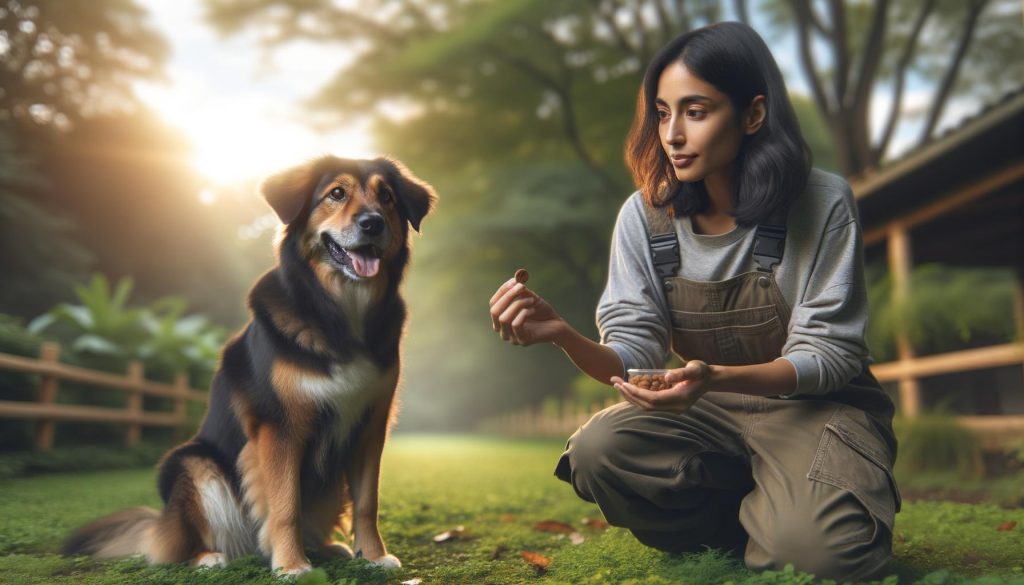
Building a dog’s confidence is crucial for their happiness and overall behavior, impacting everything from socialization to training success. Did you know that many dogs struggle with self-doubt, just like we do? This journey is especially important for timid or anxious pups, as fostering their self-assurance can transform fear into enthusiasm. In this article, we will explore inspiring success stories showcasing practical techniques that have helped dogs overcome their insecurities. By understanding the unique needs of your canine companion and implementing effective training strategies, you can nurture their confidence and strengthen your bond. Join us as we uncover how simple changes and dedication can unleash the vibrant personality hidden within your dog, setting them on a path to confidence and joy.
Building Trust: The Foundation of Canine Confidence
Establishing a strong bond of trust between you and your dog is essential for fostering confidence. Trust serves as the cornerstone of any relationship, and for dogs, a secure attachment to their human companions can significantly influence their self-esteem and behavior. When a dog knows they can rely on you for guidance and support, they are more likely to tackle new experiences without fear or hesitation.
To cultivate this trust, consistency and positive reinforcement are key. Effective communication promotes understanding, enabling your dog to feel secure in their environment. Start with the basics: establish a routine for feeding, walks, and playtime. Using consistent commands and cues will help your dog understand what you expect from them while giving them a sense of stability. Over time, this predictability fosters a secure environment, allowing your dog to explore the world with greater confidence.
Engaging in positive social interactions and low-stress training sessions can also enhance trust. Focus on rewarding desired behaviors rather than punishing mistakes. For instance, if your dog exhibits signs of anxiety during walks, encourage them by stopping and using treats or praise to redirect their attention. This strategy not only helps them associate new experiences with positive outcomes but also solidifies the bond you share, nurturing their self-belief. Remember, each positive interaction builds upon the last, creating a more confident and secure dog ready to face the world.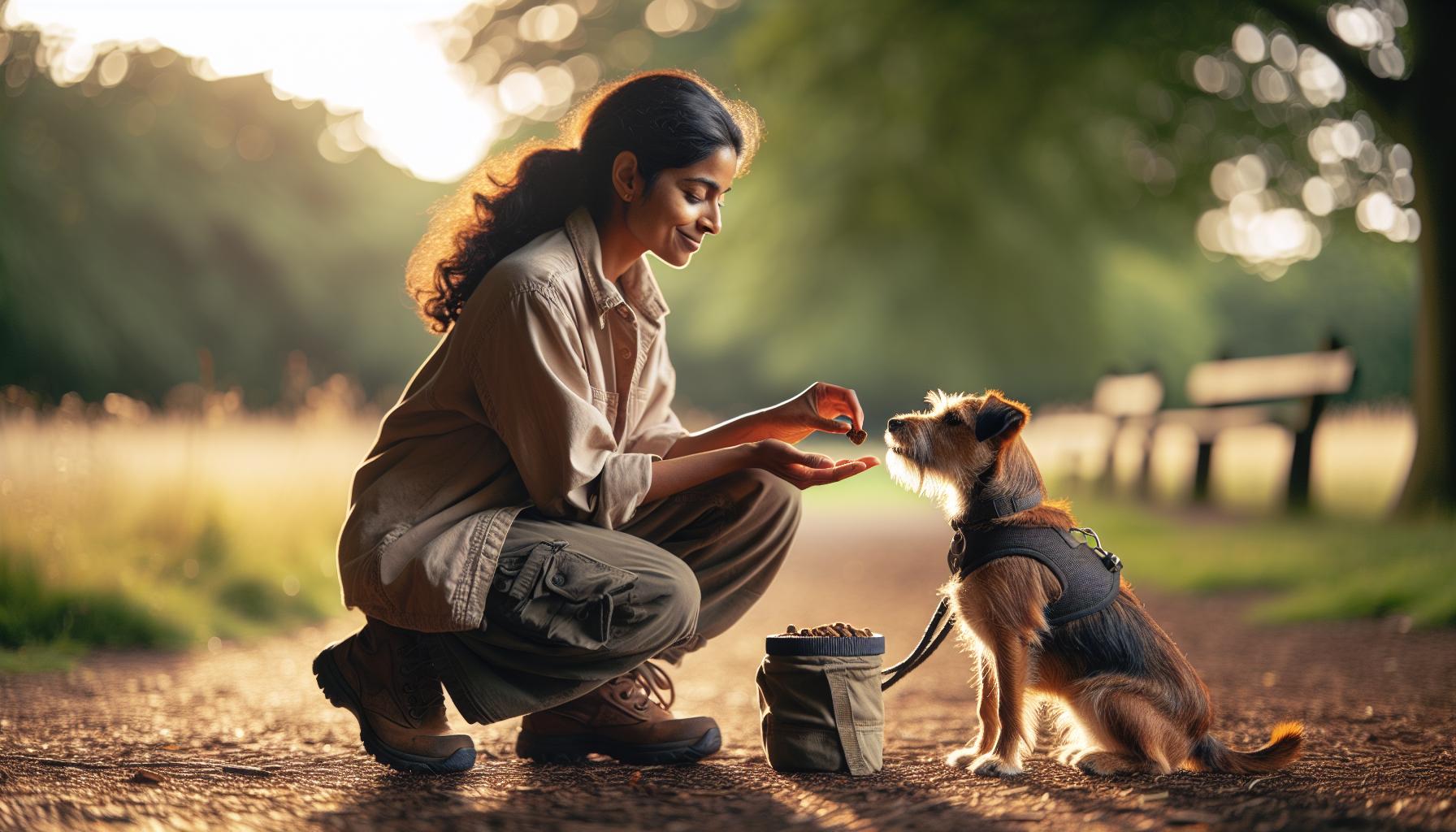
Essential Training Techniques to Boost Your Dog’s Self-Esteem
Building your dog’s self-esteem is not only beneficial for their confidence but also essential for their overall well-being. A confident dog is more likely to explore, learn, and interact positively with their environment and other animals. To effectively boost your dog’s self-esteem, implementing specific training techniques is crucial. These methods not only promote confidence but also strengthen the bond between you and your canine companion.
Positive Reinforcement
One of the most effective ways to enhance your dog’s self-esteem is through positive reinforcement. This technique involves rewarding desired behaviors with treats, praise, or play. For instance, if your dog successfully performs a new trick, celebrate that achievement enthusiastically. This not only encourages them to repeat the behavior but also helps them associate learning with positive experiences. Over time, your dog will develop a sense of accomplishment that boosts their confidence.
Gradual Exposure to New Experiences
Introducing your dog to new environments or situations gradually can significantly aid in building their self-esteem. Start by exposing your dog to less intimidating situations and slowly increase the exposure as they become more comfortable. For example, if your dog is nervous around other dogs, begin by introducing them to one calm dog in a controlled setting. Gradually, you can include more dogs, always ensuring that their experiences are positive. Celebrate their bravery after each successful interaction, reinforcing their courage to face new challenges.
Structured Training Sessions
Engaging in structured training sessions can also serve to bolster your dog’s confidence. These sessions should be short, fun, and successfully tailored to your dog’s skills and interests. Use varying commands and agility exercises to keep your dog engaged and challenged. If a particular skill proves to be too difficult, break it down into smaller steps. Each small win will incrementally build your dog’s belief in their abilities, leading to greater self-assurance over time.
Socialization Opportunities
Providing ample and positive socialization opportunities is key in elevating a dog’s self-esteem. This could involve playdates with other dogs, visits to pet-friendly cafés, or attending dog training classes. Ensuring these experiences are well-managed and stress-free is essential. Use treats and positive praise during these interactions, allowing your dog to feel safe and secure in social settings. This will help them develop trust not just in you, but also in others, further enhancing their confidence in various environments.
By consistently applying these techniques, you will witness a remarkable transformation in your dog’s self-esteem. With patience and love, your canine companion can grow into a self-assured dog, embracing new experiences with joy and enthusiasm. Each small step toward building their confidence will ultimately lead to a happier and more fulfilled dog.
Success Stories: Transformative Dog Confidence Journeys
Many dog owners grapple with the challenge of raising a confident dog, but the success stories of transformative journeys can inspire and guide others facing similar struggles. Each dog has its own unique background and experience, which means their paths to confidence can vary significantly. From timid rescue pups to once-aggressive breeds, these narratives illustrate that with patience, consistency, and the right techniques, building self-esteem in dogs is entirely feasible.
Take Bella, for example, a shy and anxious rescue who would cower at the slightest noise. Her owner began by creating a safe space in the home where Bella could retreat and feel secure. Gradually, she was introduced to a variety of positive experiences, including short walks in quiet areas and socializing with calm dogs. Over the course of several months, Bella learned that her environment could be safe and enjoyable. With frequent praise and treats for her bravery, Bella transformed from a fearful pup into a confident explorer, showcasing her newfound willingness to greet other dogs and even strangers.
Another remarkable journey belongs to Max, a formerly aggressive dog who had a history of reacting negatively to other dogs. His owner sought help from a professional trainer who specialized in behavior modification. They implemented a structured training program focused on desensitization. Initially, Max would observe other dogs from a distance while receiving treats for remaining calm. As he exhibited more relaxed behavior, they gradually closed the gap between him and his canine counterparts. With each successful interaction, Max built confidence, ultimately participating in group training sessions to reinforce positive social behavior. Today, he plays joyfully at the dog park, a stark contrast to his earlier anxiety.
Here are a few key takeaway strategies from these success stories to inspire your journey in building your dog’s confidence:
- Create a Safe Space: Ensure your dog has a comfortable environment where they feel secure.
- Gradual Exposure: Introduce new experiences slowly and reward brave behavior.
- Professional Guidance: Seek out expert help if behavioral challenges seem overwhelming.
- Consistency is Key: Regular, positive interactions will reinforce your dog’s newfound confidence.
These uplifting stories remind us that patience and positive reinforcement are powerful tools in transforming a dog’s confidence. Each step forward, no matter how small, contributes to a happier and more self-assured companion, reinforcing the bond between dog and owner in ways that are truly rewarding.
Overcoming Behavioral Challenges: Strategies That Work
Behavioral challenges in dogs can often feel insurmountable for pet owners, but understanding and employing effective strategies can turn these challenges into opportunities for growth and confidence building. Every dog, regardless of their past experiences or temperament, is capable of change when approached with patience and positivity. For example, a dog exhibiting fear-based behaviors-like cowering, excessive barking, or aggression-can benefit greatly from structured training techniques and gradual exposure to new situations.
One essential strategy involves the creation of a consistent routine, which helps dogs feel more secure in their environment. Begin by establishing clear, manageable training sessions that allow your dog to focus without feeling overwhelmed. Using positive reinforcement techniques-such as treats, praise, or playtime-can significantly motivate a dog to push through their anxieties. For instance, if a dog is fearful of other dogs, start by having them observe from a distance where they feel safe while rewarding them for calm behavior. Gradually decrease the distance as they become more comfortable, reinforcing their bravery along the way.
Utilizing desensitization techniques can also be highly beneficial. This involves exposing the dog to the source of their fear in a controlled manner and at a low intensity. For example, if fireworks cause stress, play recordings of fireworks at a low volume while engaging in a fun activity, rewarding the dog for remaining calm. Over time, this exposure can shift the dog’s association from fear to positivity, significantly enhancing their confidence.
Finally, don’t underestimate the power of socialization. Introducing your dog to new environments, people, and other pets helps them develop crucial social skills. Start in low-stress settings-a friend’s house or a quiet park-where they can meet new people and dogs in a controlled environment. Always monitor their body language and provide positive reinforcement for appropriate interactions. This gradual approach can lead to significant improvements in behavior and confidence, allowing your dog to thrive rather than merely survive in new situations.
Building a confident dog is a journey that requires dedication and understanding. By employing structured routines, using positive reinforcement, and promoting gradual exposure to fears, pet owners can foster not only improved behavior but also a deeper bond with their canine companions.
Socialization Skills: Helping Your Dog Thrive in New Environments
Creating a thriving and confident canine companion begins with the essential skill of socialization. Dogs, just like humans, benefit immensely from learning to navigate new environments and interact with different people and animals. A well-socialized dog is more adaptable, exhibits fewer fears, and feels secure in unfamiliar situations, which ultimately enhances their confidence.
To foster socialization, start small and introduce your dog to safe, low-pressure settings. Consider visiting a quiet park or a friend’s home where your dog can meet new people and perhaps one or two supervised pets. During these outings, monitor your dog’s body language closely. Signs of stress such as tucked tails or excessive barking indicate the need for a calmer environment. Empower your dog to explore at their own pace, rewarding them with treats and praise when they approach new experiences with curiosity rather than trepidation. This positive reinforcement encourages them to associate new environments and interactions with good feelings.
As you progress, gradually increase the complexity of social situations. Enroll in a puppy kindergarten class or group training sessions where your dog can socialize in a controlled environment. Engage in activities that promote interaction, such as guided playdates with other friendly dogs. Ensure these encounters are positive by supervising interactions and providing regular breaks if your dog seems overwhelmed. Over time, this gradual exposure helps to reshape their perceptions and behavior, allowing them to become more confident and outgoing.
Remember, patience is key. Each dog has a unique temperament and may require different amounts of time to adjust to new environments. Regularly engaging your dog in socialization activities not only builds their confidence but strengthens the bond between you and your furry friend, paving the way for a more fulfilling and adventurous life together. Embrace the journey of socialization, knowing that every small victory contributes significantly to your dog’s inherent self-esteem.
Creating a Positive Training Environment for Your Dog
Creating an encouraging and enriching environment for your dog is essential for fostering their confidence and overall well-being. Dogs, much like humans, thrive in spaces that are calm, nurturing, and filled with positive reinforcement. A positive training environment can significantly help your dog feel secure, allowing them to take the necessary steps toward building self-esteem and embracing new challenges.
One of the foundational elements of a supportive training environment is consistency. Establishing a routine not only helps your dog know what to expect but also aids in reducing anxiety. Regular training sessions in a designated space at home, alongside scheduled playtimes and walks, create a familiar pattern. This structure makes it easier for your dog to feel at ease, enhancing their ability to learn and grow. Remember, it’s important to keep training sessions brief and engaging, ideally around 5-10 minutes per activity, to maintain your dog’s attention and enthusiasm.
Additionally, the use of positive reinforcement is a powerful tool. Celebrate even the smallest achievements with treats, praise, or playtime, reinforcing their progress and boosting their confidence. This approach encourages your dog to view training as a fun and rewarding experience rather than a chore. You can create a “success jar,” where every time your dog achieves a milestone, you add a note describing the success. This not only tracks progress but reinforces a sense of accomplishment, providing a visual reminder of their growth.
Furthermore, consider the sensory inputs of the training environment. A space that is too loud or chaotic can hinder your dog’s ability to concentrate and feel secure. Choose a quiet area free of distractions for training and practice. If your dog shows signs of stress, such as panting or pacing, pause the training, and give them a break. This creates a safe environment where they can recharge, making them more open to learning upon return.
Finally, fostering play as part of the training environment cannot be overstated. Incorporate a variety of toys or interactive games that promote problem-solving and exploration. This not only makes training enjoyable but also helps develop your dog’s intrinsic motivation to engage and interact. By using these strategies, you can cultivate an enriching and positive training environment that nurtures your dog’s growth and strengthens your bond, ultimately leading to a confident and empowered canine companion.
The Role of Play in Building a Confident Dog
Engaging in play is not merely a pastime for dogs; it is an essential component of their emotional and psychological development. Through play, dogs explore their environment, learn valuable skills, and build their confidence in a way that structured training often cannot replicate. When dogs participate in playful activities, they experience a sense of triumph and competence, which contributes significantly to their overall self-esteem. Whether it’s a game of fetch, tug-of-war, or even simple interactive play with their owners, these moments foster both joy and learning, helping to alleviate anxiety and fear responses that may stem from unfamiliar situations.
One effective way to harness the power of play is by incorporating toys that encourage problem-solving and creativity. Puzzle toys, for example, challenge dogs to think and work for their rewards, enhancing their cognitive abilities while also reinforcing a sense of achievement. Engaging with these toys not only provides mental stimulation but can also pave the way for more relaxed social interactions. Your dog learns to tackle challenges found in toys, which can translate into better coping mechanisms when facing new environments or encounters.
Social Play as a Confidence Booster
In addition to solo play, social play with other dogs or even with human family members can bolster your dog’s confidence significantly. Dog parks, playdates, or structured group classes offer opportunities for dogs to test their social skills and boundaries. As they engage with others-whether playfully wrestling or simply running together-they gain valuable insights into canine body language and social norms. This exposure helps them feel more secure and less anxious in diverse settings, forming a foundation for robust social skills that enhance their interactions with other dogs and humans alike.
Finally, it’s essential to ensure that play remains a positive experience. Pay attention to your dog’s body language and reactions. If a game becomes too intense or overwhelming, be prepared to step in and guide the play into calmer territory. Celebrate progress and encourage your dog every step of the way. By creating a playful atmosphere that emphasizes fun and learning, you empower your dog to embrace challenges with joy and confidence. Over time, these playful interactions will not only contribute to your dog’s confidence but also strengthen the bond you share, fostering a lifelong relationship anchored in trust and mutual respect.
Recognizing and Rewarding Confidence in Your Dog
When it comes to nourishing a dog’s sense of confidence, one of the most empowering practices is recognizing and rewarding their moments of bravery and self-assuredness. Just like people, dogs thrive on positive validation. The more we acknowledge their accomplishments-no matter how small-the more we encourage them to take risks and step outside their comfort zones. For instance, if a previously timid dog approaches a new object or interacts positively with another dog, immediate praise, treats, or enthusiastic encouragement can help reinforce this courageous behavior.
To effectively recognize these confidence-boosting actions, it’s important to be attentive to your dog’s body language and behavior. Look for signs of confidence, such as an open posture, a wagging tail, or curiosity towards new experiences. When you see these indicators, it’s essential to celebrate them. You might say a cheerful “good dog!” or use a treat to reward them right at that moment. This not only reinforces the behavior but also teaches your dog to associate positive experiences with their actions.
Creating a structured environment where your dog can practice and be rewarded for confident behavior is crucial. Training sessions can be excellent platforms for this. Use short, fun exercises that require your dog to engage with you and the environment, like fetch or agility drills. During these activities, be sure to highlight and reward instances where your dog shows initiative or confidence-such as executing a command with enthusiasm or exploring something they initially hesitated to approach. By turning these training moments into opportunities for recognition, you can effectively help your dog build a solid foundation of self-belief.
Additionally, consider integrating confidence-building into everyday life. For example, when taking walks, allow your dog to explore new paths or meet new people while praising them for their curiosity and engagement. This practice not only enhances their confidence but also helps you, as an owner, to witness the everyday triumphs that contribute to their developing self-esteem. Over time, the cumulative effect of recognizing and rewarding these confident moments will lead to a more self-assured dog who faces challenges with a wagging tail and an eager spirit.
Advanced Training Techniques for Lasting Confidence
Building lasting confidence in dogs requires more than just the basics; it involves advanced techniques that challenge and empower your pet in diverse environments. Engaging your dog in activities that stimulate both their body and mind can significantly enhance their self-assurance. One impactful method is through distraction training, where your dog is taught to focus on specific commands or tasks despite various distractions around them. This not only helps in everyday situations but also equips your dog to handle unexpected encounters more confidently.
Structured exposure is another advanced technique that allows your dog to gradually face their fears in a controlled manner. Start by introducing your dog to low-stress versions of what they find intimidating-whether it’s other dogs, loud noises, or unfamiliar people. For instance, if your dog is anxious around big dogs, facilitate carefully monitored interactions with calm, oversized dogs while maintaining a safe distance. Gradually decrease that distance as your dog becomes more at ease, rewarding their bravery with treats and praise.
Furthermore, obedience competitions or agility classes can serve dual purposes: bonding time between you and your dog, and an arena for confidence building. These environments push your dog to overcome obstacles-both literal and metaphorical-while they receive positive reinforcement from you. The challenges presented not only cultivate skills but create achievement moments that feed into their self-esteem.
Lastly, simple adjustments in your dog’s everyday routines can foster confidence seamlessly. Incorporate novel experiences during your walks-different parks, varied walking paths, or even dog-friendly events can expose your dog to new stimuli. Whenever they approach these new situations with curiosity or a calm demeanor, recognize and reward their bravery. This reinforces the idea that ambiguity and change are not threats, but opportunities for growth and exploration, resulting in a more confident canine companion prepared to navigate the world with assurance.
The Impact of Owner Confidence on Canine Behavior
The bond between a dog and its owner can significantly influence the canine’s confidence and overall behavior. When owners exhibit self-assurance, it tends to radiate to their pets, fostering an environment where the dog feels secure and valued. This connection plays a pivotal role in shaping how dogs respond to challenges, confront new experiences, and interact with their surroundings.
A confident owner instills a sense of safety and stability in their dog, which is essential for fostering self-esteem. Dogs are incredibly perceptive; they can sense their owner’s emotions and attitudes. Thus, when an owner approaches training sessions with enthusiasm and self-belief, dogs are more likely to reflect this positivity in their learning and behavior. Conversely, if an owner displays anxiety or uncertainty, especially in potentially stressful situations, it can exacerbate the dog’s fears, leading to hesitation or defensive behaviors.
To cultivate this kind of owner confidence, it is helpful to engage in training practices that promote both the dog’s and the owner’s comfort. For instance, owners can set achievable goals in their training routines, celebrating small victories to build mutual confidence.
- Start with basic commands: Reinforcing foundational skills can alleviate anxiety for both the owner and the dog.
- Attend group classes: These settings offer support and allow for shared learning experiences, which can bolster confidence.
- Practice mindfulness: Techniques such as deep breathing or visualization can help owners maintain composure during challenging moments.
Ultimately, the interplay between owner confidence and canine behavior emphasizes the need for growth on both sides of the leash. By nurturing self-assuredness and employing practical strategies, owners can create a supportive atmosphere where their dogs flourish, ultimately leading to more enjoyable outings, successful training experiences, and a deepened bond.
Integrating Confidence Building into Daily Routines
Integrating confidence-building into daily routines not only enhances your dog’s self-esteem but also strengthens the bond between you and your pet. Just as with people, dogs thrive on consistency and positive reinforcement in their everyday activities. A well-structured routine provides a sense of security, helping your dog feel more confident as they navigate their world.
Start by incorporating short training sessions into your daily schedule. These don’t need to be long; even five to ten minutes of focused practice can make a significant difference. Focus on commands or tricks that your dog enjoys and excels at, gradually introducing new skills to keep them engaged. Reinforce their achievements with praise, treats, or playtime to emphasize their success. As your dog masters new commands, celebrate these wins with enthusiasm. This not only builds their confidence but also reinforces your role as a supportive and encouraging figure.
Everyday Activities as Learning Opportunities
Every outing or interaction can serve as a chance to build your dog’s confidence. During walks, for example, allow your dog to explore various environments safely. Introduce them to new experiences, such as encountering different surfaces, sounds, and smells. If your dog seems hesitant, use treats to encourage exploration, rewarding them for their bravery. Similarly, incorporating playtime with other friendly dogs can help boost their social skills and comfort levels in group settings.
- Create a confidence-building adventure walk: Choose a route that varies in stimuli-parks, busy streets, or quiet areas. This will help your dog adapt to different surroundings.
- Implement ‘quiet time’: Allow your dog moments of relaxation in a secure spot at home where they can unwind, reinforcing a calm demeanor.
- Engage in interactive play: Use toys or puzzles that stimulate your dog’s mind and provide a reward for problem-solving, further fostering their confidence.
Consistency is Key
Establishing a consistent routine while integrating these activities fosters a safe environment for your dog. They learn what to expect from their day, which reduces anxiety and enhances their ability to handle new challenges. Remember, patience is crucial. Celebrate small victories, and understand that confidence building is a gradual process. Each step you take strengthens their self-assurance, equipping them to face the world with a brave heart. By weaving confidence-building practices into your daily life, you create a nurturing atmosphere where your dog can truly thrive.
Community Resources: Finding Support and Networking Opportunities
Building a supportive community around you and your dog can significantly enhance both your confidence and that of your furry friend. Connecting with others who share similar experiences creates a rich tapestry of support, advice, and camaraderie. Local dog clubs, online forums, and social media groups provide platforms where you can share successes, challenges, and training tips. Engaging with fellow dog owners can inspire you, offer new perspectives, and even introduce you to trainers or resources you might not have discovered on your own.
To maximize these community resources, consider joining training classes or workshops. These environments foster collaboration and allow for shared learning experiences. Not only do group classes provide structured training, but they also allow your dog to socialize while seeing other dogs experience similar challenges. Over time, you can build friendships with other dog owners, creating your own support network. If you can, attend local dog meetups or social events which often provide opportunities for your dog to interact with others in a low-pressure setting, aiding confidence growth through positive experiences.
It can also be beneficial to seek out professional resources. Many trainers and behaviorists offer workshops or community sessions focused on building confidence in dogs. Look for local animal shelters or rescue organizations that frequently host events where owners can learn more about training techniques and socialize their dogs. Additionally, online platforms like Facebook or Meetup can lead you to group activities in your area that are geared towards dog care and training.
Lastly, don’t underestimate the power of sharing your journey. Blogging or journaling about the progress you and your dog make not only documents successes but also motivates others who may be facing similar challenges. Such transparency not only builds your confidence but fosters a community of support and understanding that demonstrates the incredible journey of growth that confidence-building can be for both you and your dog.
Faq
Q: How can I tell if my dog lacks confidence?
A: Signs of low confidence in dogs include cowering, submissive urination, fear of new experiences, and reluctance to engage with people or other dogs. Monitoring their body language can help identify areas where they may struggle, such as tail tucking or avoiding eye contact.
Q: What training methods are effective for building a dog’s confidence?
A: Positive reinforcement, gradual exposure to new situations, and clicker training are effective methods. Start with low-pressure environments to help your dog associate positive experiences with challenges. Techniques such as socialization play and rewarding bravery can also significantly boost confidence.
Q: How long does it take to build a dog’s confidence?
A: The time it takes to build a dog’s confidence varies based on the individual dog and their background. Typically, noticeable improvements can occur within a few weeks of consistent training, but lasting change may take several months of dedicated efforts and experiences.
Q: Can a dog’s breed affect its confidence levels?
A: Yes, breed traits can influence confidence levels. Some breeds are naturally more timid or bold than others. Understanding your dog’s breed-specific tendencies can help tailor training approaches. Use success stories from similar breeds for inspiration as outlined in our article.
Q: What role does socialization play in boosting a dog’s confidence?
A: Socialization is crucial for building a dog’s confidence as it exposes them to various environments, people, and other animals. Gradual and positive social interactions help reduce fear and anxiety, allowing dogs to learn and adapt more effectively in new situations.
Q: How can owners inadvertently affect their dog’s confidence?
A: Owners can impact their dog’s confidence through their reactions and body language. If an owner is anxious or unsure, the dog may pick up on that energy. Consistently reinforcing positive behaviors and staying calm can support a dog’s journey to gain confidence.
Q: What are some common behavioral challenges faced by dogs with low confidence?
A: Dogs with low confidence often exhibit behaviors such as excessive barking, fear-based aggression, or separation anxiety. Addressing these challenges involves gradual desensitization, consistent routines, and creating a safe environment to foster trust.
Q: Where can I find success stories of dogs who gained confidence through training?
A: Success stories can provide motivation and insights into effective training techniques. Explore our article’s section on transformative journeys, which highlights real-life examples and methods used to boost canine confidence.
To Conclude
Building your dog’s confidence is a journey filled with transformative moments and heartwarming successes. Remember, each small victory contributes to a more confident and happy companion. Whether through positive reinforcement techniques or socialization exercises, your commitment is vital in shaping their future. Don’t let hesitation hold you back-start implementing these strategies today and witness the remarkable changes in your dog’s demeanor!
For more insights, explore our articles on effective puppy training methods and the importance of socialization in dog development. Moreover, consider signing up for our newsletter to receive ongoing tips and success stories that can guide you in your pet ownership journey. Share your experiences or ask questions in the comments below-let’s create a vibrant community of dog lovers supporting each other! With the right tools and encouragement, you can foster a new level of confidence in your furry friend.