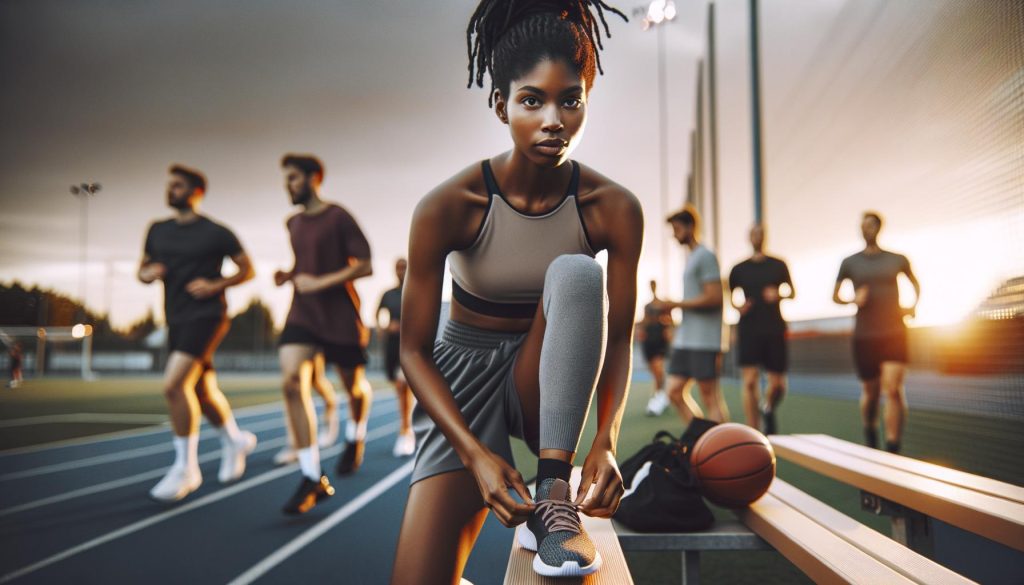
In the world of sports, confidence can be the game-changer that elevates your performance and enjoyment. Did you know that self-confidence is a significant predictor of athletic performance? Yet, many athletes grapple with self-doubt and fear of failure. This guide, “How to Be More Confident in Sports: Unleash Your Inner Athlete,” is designed to help you break through mental barriers and cultivate a mindset that empowers you to excel. By embracing practical strategies and insights, you’ll discover how to transform insecurity into a powerful force. Whether you’re a seasoned competitor or just starting your athletic journey, building genuine self-confidence can unlock your true potential and enhance your experience. Join us as we explore actionable steps to foster resilience and authenticity in your athletic pursuits. Let’s take the first step together toward unleashing your inner athlete!
Building a Strong Mental Foundation for Sports Confidence
Building confidence in sports is not just about physical prowess; it begins with a robust mental foundation. Many athletes experience moments of self-doubt, but recognizing that these feelings are common can be the first step in overcoming them. Cultivating a strong mental framework allows athletes to harness their inner strengths and confront challenges with resilience.
One effective approach to build this foundation is through self-awareness, which involves understanding your own emotions and triggers. Spend some time reflecting on past performances-what thoughts led to success? What doubts undermined your confidence? Journaling these experiences can help crystallize your thoughts and prepare you for future competition. Additionally, identify your personal values and motivations behind participating in sports. These elements serve as your anchor when doubts arise, reminding you of why you started and what you want to achieve.
Incorporating consistent mental practice is essential. Techniques such as visualization, where you mentally rehearse successful performances, can significantly boost confidence. Envisioning yourself not only executing skills effectively but also overcoming barriers sets a powerful precedent for success. Including regular affirmations-positive statements that reinforce your self-belief-can shift your mindset. For instance, reminding yourself, “I am capable and prepared for this challenge” combats negative self-talk and reinforces positive expectations.
Lastly, creating a supportive network can amplify your confidence. Engaging with teammates, coaches, or even supportive friends allows for shared experiences and mutual encouragement. A community that celebrates achievements, no matter how small, builds an environment rich in positivity, reinforcing your belief in your abilities. Remember, confidence is not merely an outcome but a journey nurtured by consistent practice, reflective thinking, and supportive relationships. By establishing these foundational elements, you are better equipped to face the inherent challenges of any sport with unwavering confidence.
Understanding the Psychology of Sports Confidence
Understanding the intricate psychology behind sports confidence is essential for any athlete aspiring to reach their full potential. Confidence in sports isn’t merely a product of skills and training; it’s deeply rooted in mental frameworks that dictate how athletes perceive their abilities. One compelling fact is that athletes with higher self-confidence typically outperform their peers, even when skills and preparation are comparable. This connection underscores the importance of nurturing a resilient mindset that can withstand the psychological hurdles of competition.
To cultivate this mental resilience, it’s vital to address common psychological barriers such as self-doubt, fear of failure, and perfectionism. Self-doubt can creep in during high-pressure moments, leading to a cycle of negative thoughts. Combat this by reframing your internal dialogue; instead of thinking, “What if I fail?” shift to “I have prepared for this, and I trust my abilities.” This shift in perception acts as a powerful force that can bolster not only your confidence but also your overall performance.
Moreover, having a solid understanding of your psychological triggers is crucial for overcoming anxiety and building confidence. Keep a journal to track your feelings before and after practices and competitions. Reflecting on what worked and what didn’t creates a clearer picture of your emotional landscape, enabling you to identify patterns in your confidence levels and tailor your mental strategies accordingly. Over time, this practice can help replace anxiety with a sense of control and predictability.
Engagement with supportive communities enhances confidence through shared experiences and collaborative encouragement. Surrounding yourself with teammates, coaches, and supportive friends creates an environment where uplifting one another becomes the norm. Celebrating each other’s successes, however small, builds a foundation of shared positivity, which reinforces your self-belief. Remember, confidence is not just an individual journey but one that thrives in a collective atmosphere of support and motivation.
By internalizing these psychological elements, athletes can lay the groundwork for unwavering confidence, allowing them to face challenges head-on and unleash their inner athlete with assurance.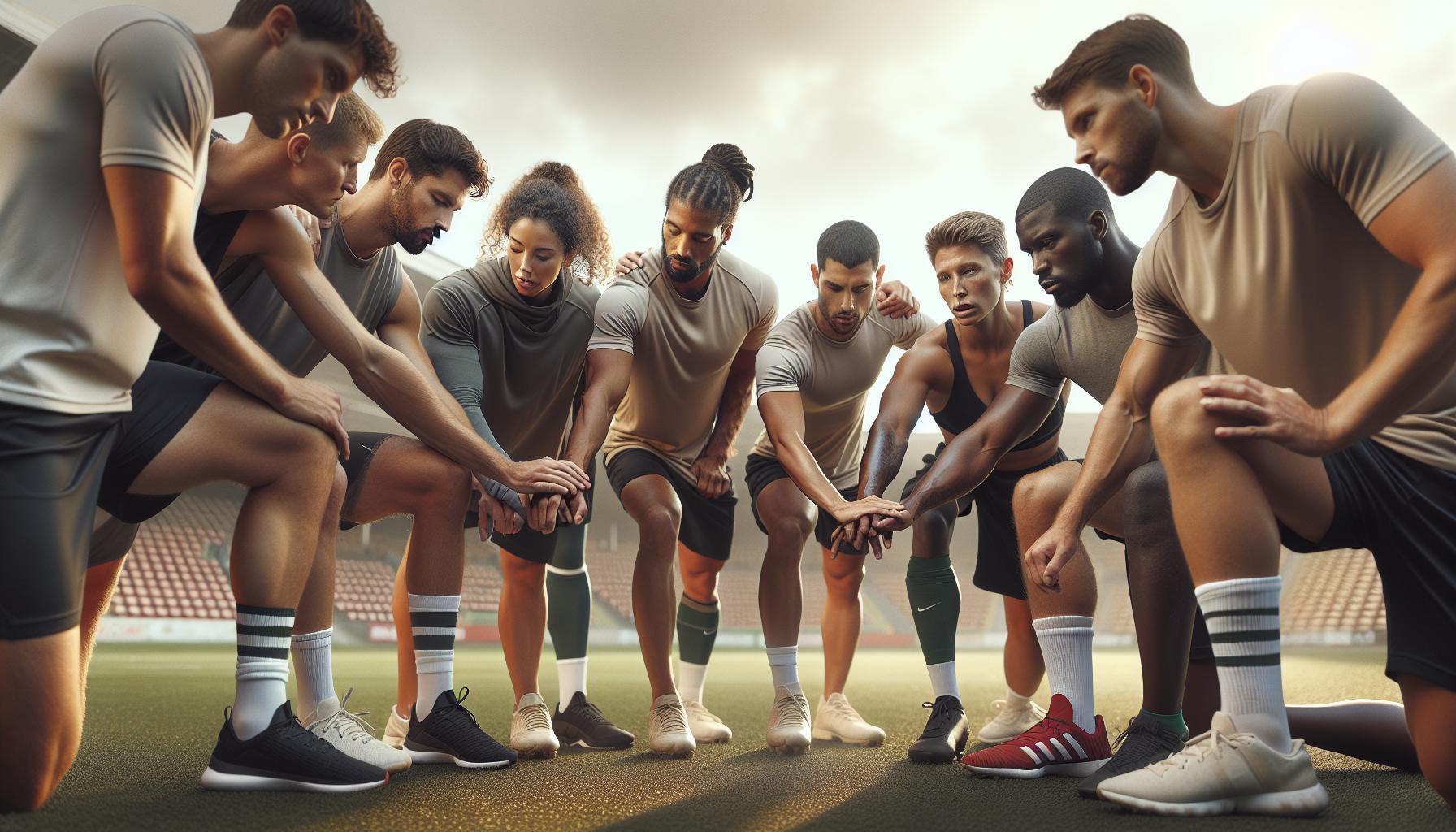
Mastering Visualization Techniques for Performance
Visualization is a powerful mental skill that can significantly enhance performance in sports. This technique involves creating vivid mental images of your desired outcome, allowing you to mentally rehearse your performance long before you step onto the field or court. Studies show that athletes who practice visualization not only improve their skills but also experience increased confidence in their abilities. Imagine standing at the starting line of a race or preparing to execute a complex gymnastics routine; by visualizing yourself executing these tasks flawlessly, you reinforce a belief in your own competence and decrease performance anxiety.
To effectively harness the power of visualization, start by finding a quiet space where you can focus without distractions. Close your eyes and take a few deep breaths to calm your mind. Now, picture yourself in your competitive environment: visualize the sights, sounds, and even smells of the setting. Imagine the feeling of your body performing the skills you will need, from the tension and release of muscles to the rhythm of breathing. Engage all your senses to make the experience as real as possible. As you visualize, include positive affirmations like “I am strong” or “I am prepared,” reinforcing your self-belief.
Practice this visualization technique regularly, ideally as part of your training routine. Spend a few minutes each day visualizing different scenarios: winning a match, overcoming a difficult challenge, or executing perfect form. As you become more comfortable with this method, try to visualize not just the successes but also how you will respond to obstacles or setbacks. This comprehensive approach allows you to mentally prepare for the full range of outcomes, strengthening your psychological resilience.
Remember, visualization is not just about the outcome; it’s a way to build a mental roadmap for success. It empowers you to confront fears, replace negative thoughts with positive imagery, and foster a goal-oriented mindset. By mastering this technique, you’ll find that your confidence grows alongside your competence, enabling you to unleash your true potential every time you compete.
Developing Effective Goal-Setting Strategies
Creating meaningful goals is an invaluable part of enhancing sports confidence. Specifically defined and measurable goals can be the guiding light that helps athletes navigate their training and performance. According to sports psychology principles, effective goal setting enables athletes to chart their progress and celebrate their achievements, thereby cultivating self-belief and resilience in the face of challenges.
Setting SMART Goals
To initiate the goal-setting process, aim to apply the SMART criteria-goals should be Specific, Measurable, Achievable, Relevant, and Time-bound. For instance, rather than stating a vague aim like “I want to get better at my sport,” a SMART goal would be “I will improve my sprint time by 2 seconds in the next month.” This specificity provides a clear target and allows you to measure your progress regularly.
Breaking Down Long-Term Goals
Long-term aspirations can often feel overwhelming, which is why it’s beneficial to break these down into smaller, short-term objectives.
- Identify your long-term goal: For example, gaining a spot on a competitive team.
- Establish short-term milestones: These could include enhancing specific skills, attending training sessions consistently, or achieving personal bests in practice.
- Track Your Progress: Create a journal or digital tracker to log your accomplishments and reflect on what you learn along the way.
These short-term goals serve as stepping stones, not only fostering a sense of achievement but also reinforcing motivation. Celebrate these small wins as they cumulate; they remind you of your capabilities and fuel your drive.
Incorporating Mindset Shifts
Additionally, adopting a growth mindset can significantly enhance your commitment to achieving your goals. Embrace challenges and consider setbacks as learning opportunities rather than obstacles. This mindset shift transforms your perspective, allowing for resilience and the ability to navigate the inevitable ups and downs in your athletic journey with a positive outlook.
In essence, thoughtful goal setting combines clarity, deliberate practice, and a mindset of growth, ultimately fortifying your confidence in sports. By recognizing each accomplishment, no matter how small, you affirm your progress and build a robust foundation for lasting self-belief.
Overcoming Fear of Failure in Sports
Every athlete encounters the unsettling feelings of doubt and apprehension before a competition. Fear of failure is a common hurdle that can stifle performance, but it is also an opportunity for growth and empowerment. By acknowledging this fear and reframing it, you can transform it into a catalyst for success rather than a barrier.
Start by embracing the reality that failure is a part of the journey, not the end of it. Many top athletes have faced significant setbacks but used those experiences to fuel their determination. Reflect on your previous challenges and identify what they taught you. This mindset shift allows you to view failure not as a personal indictment but as a stepping stone toward improvement. For instance, after a disappointing game, focus on specific aspects you can enhance rather than dwelling on the result. Cultivating a habit of learning from every experience, positive or negative, equips you with resilience and a stronger mental fortitude.
Techniques to Overcome Fear
Implementing strategic techniques can help mitigate the fear of failure. Here are some actionable steps to help you navigate this challenge:
- Visualize Success: Before competitions, take time to visualize your best performances. Imagine yourself executing techniques perfectly and feeling confident. Visualization is not just about the end result; it also involves picturing the process of overcoming obstacles.
- Set Process-Oriented Goals: Instead of fixating solely on outcomes (like winning), concentrate on the aspects of performance that you can control, such as effort and technique. For example, instead of saying, “I must win this match,” try “I will focus on my footwork and strategy throughout the match.” This approach lowers the stakes and allows you to appreciate the journey.
- Practice Mindfulness: Engage in mindfulness exercises that keep you anchored in the present moment. Techniques such as deep breathing or meditation can calm nerves and enhance focus, helping you detach from the worries of what might go wrong.
Understanding and addressing the fear of failure is crucial for building genuine self-belief. By recognizing that it is an inherent part of sports, you not only lessen its power over you but also pave the way for authentic confidence. Every time you face your fears, you reinforce your resilience and commitment to your sport, ultimately unleashing your inner athlete.
Building Resilience through Positive Self-Talk
The dialogue we maintain with ourselves can be a powerful tool in overcoming self-doubt and building resilience as an athlete. Positive self-talk is not merely about looking at the bright side; it involves the deliberate and conscious choice to encourage and uplift oneself, especially during challenging moments. Research shows that athletes who engage in positive self-talk often perform better and feel more confident. This internal dialogue helps shift the focus from negative thoughts-like fears of failure or self-criticism-to affirmations and constructive comments that foster growth and resilience.
Recognizing your critical inner voice is the first step to transforming your self-talk. Many athletes instinctively voice their doubts, such as “I’ll never succeed” or “I always mess up.” Instead, aim to replace these thoughts with more positive affirmations. For instance, when faced with anxiety before a game, remind yourself, “I am prepared, and I have the skills to excel.” Create a list of affirmations that resonate with you, and recite them daily or before competitions to reinforce the belief in your capabilities.
Actionable techniques can help cultivate this positive self-talk effectively. Start by writing down your negative thoughts during practice sessions or competitions. Then, for each negative thought, write a corresponding positive one. This method not only helps you identify patterns of negative self-talk but also empowers you to confront and replace them. For example, if you write, “I might fail,” counter it with, “I learn from every experience and grow stronger.” Regularly practice this exercise until your positive affirmations become second nature.
Incorporating mindfulness can further enhance positive self-talk by grounding athletes in the present moment and reducing anxiety. Mindfulness practices, such as meditation or deep breathing, can help clear mental clutter, allowing space for constructive thoughts. As you become more aware of your thought patterns, you will start to notice the moments when negativity creeps in. Use strategies like deep breathing to pause and reassess your internal dialogue, consciously redirecting towards positivity. This practice not only improves emotional well-being but can also lead to better athletic performance, as a clear and focused mind can fully embrace the challenges ahead.
is not an overnight transformation; it requires consistent practice and patience. However, by cultivating trustworthy affirmations and complementing them with mindfulness techniques, you can empower yourself to face challenges head-on, build enduring confidence, and truly unleash your inner athlete.
Harnessing the Power of Body Language
The way we hold ourselves can significantly influence not only how others perceive us but also how we feel about ourselves. Body language is a powerful communicator of confidence, and understanding how to harness its energy can transform performance in sports and beyond. Studies show that adopting open, expansive postures can enhance feelings of confidence and even improve performance. For instance, many successful athletes consciously adopt powerful stances or gestures, such as raising their arms in victory or standing tall, which can set a positive tone before competitions.
To leverage body language effectively, start with awareness of your posture. Here are some actionable steps:
- Practice Power Poses: Before a game or competition, take a few minutes to stand in a power pose-arms raised in a V or hands on hips with feet spread apart. Research has indicated that these poses can increase feelings of power and reduce stress hormones.
- Mirror Your Confidence: Observe confident individuals and mimic their body language. This could include maintaining eye contact, offering firm handshakes, or exhibiting calm gestures. Your brain can pick up on these cues, helping to reinforce your own confidence.
- Use Movement to Your Advantage: Incorporate dynamic movements into your warm-up routine, such as stretching and brisk walking, to activate energy and reduce pre-competition anxiety.
- Be Mindful of Facial Expressions: A smile can go a long way. Smiling, even if you don’t feel like it, can elevate your mood and project positivity, making you appear more approachable and self-assured.
Moreover, it’s essential to understand the impact of your body language during competition. Maintaining an open stance and relaxed posture can portray confidence to both teammates and opponents. In sports like basketball or soccer, an athletic stance with engaged body language can signal readiness, which may discourage opponents and encourage your teammates.
Finally, practice integrating these techniques into your routine. Consider joining a group, such as a sports team or class, where you can develop and refine your body language skills in a supportive environment. The more you practice these strategies, the more intuitive they will become, enabling you to exude confidence automatically in high-pressure situations. can not only elevate your performance but also reinforce your self-belief, enabling you to truly unleash your inner athlete.
Creating a Supportive Athletic Community
Building a vibrant community around sports can be transformative for athletes seeking to build confidence and overcome personal challenges. When individuals connect with others who share similar goals and experiences, they create an environment rich in support, encouragement, and motivation. This network can be especially beneficial for women navigating feelings of self-doubt or anxiety in sports. A supportive athletic community serves as a safe space where athletes can openly express their fears, celebrate their accomplishments, and push each other to break through mental barriers.
To create such a community, consider implementing regular meet-ups or training sessions where athletes can share experiences and offer insights. Group workouts, team-building activities, and friendly competitions can foster camaraderie and build trust among members. Here are a few practical steps to strengthen this supportive environment:
- Encourage Open Communication: Promote honest discussions about challenges, setbacks, and victories. When athletes share their stories, they inspire others to do the same, breaking the stigma around failure and encouraging vulnerability.
- Establish Mentorship Pairings: Connect experienced athletes with novices to provide guidance and support. This mentorship can offer vital encouragement and practical advice that boosts the confidence of less experienced teammates.
- Organize Social Events: Outside of training, hosting casual gatherings can allow athletes to bond on a personal level. These interactions can strengthen relationships and create a sense of belonging that translates to enhanced performance on the field or court.
- Celebrate Achievements: Whether big or small, acknowledging each other’s milestones can significantly uplift morale. Consider implementing a “shout-out” time during practices to recognize efforts and successes.
Creating a supportive community not only cultivates individual confidence but also reinforces collective strength. When athletes feel connected and cherished by their peers, they are more likely to tackle their fears, take risks, and ultimately thrive in their sports endeavors. Foster an empowering atmosphere where everyone feels that they belong, and watch as confidence blooms within both the team and individual members. Together, as a united front, athletes can unleash their full potential and redefine their approach to competition and self-belief.
Practicing Mindfulness for Enhanced Focus
Practicing mindfulness can be a game changer for athletes looking to enhance their focus and confidence. By cultivating a present-focused mindset, you can significantly improve your mental resilience and performance. Mindfulness encourages you to pay attention to the here and now, which helps reduce anxiety and self-doubt often experienced in competitive situations. Scientific studies demonstrate that mindfully attending to your thoughts and feelings can boost not only emotional well-being but also enhance overall athletic performance.
To integrate mindfulness into your training, consider the following techniques:
- Breath Awareness: Begin with simple breathing exercises. Close your eyes and take deep, intentional breaths-inhale for a count of four, hold for four, and exhale for four. Focus solely on your breath. This practice can ground you, pulling your mind back from distractions and fostering a calm mental state.
- Body Scans: Periodically check in with your physical sensations from head to toe. This technique helps you become aware of areas where you might be holding tension, allowing you to consciously relax those muscles. Noticing your body during physical activity can enhance your connection with it, encouraging confidence in your movements.
- Mindful Visualization: Visualize your performance, but do so mindfully. Instead of simply running through a checklist of steps in your mind, immerse yourself completely. Experience the sounds, feelings, and sights involved in your sport. This vivid mental rehearsal not only prepares you more effectively but also bonds you emotionally to your actions, bolstering your self-belief.
- Journaling Experiences: After training sessions or competitions, spend time reflecting on your performance in a journal. Write down your thoughts on what went well, what challenges arose, and how you felt. This reflective practice helps reinforce positive experiences, building your confidence over time.
Incorporating these mindfulness techniques into your routine can equip you with the tools needed to navigate the ups and downs of athletic competition with greater ease. When you redirect your focus from external pressures, such as the fear of failure or the expectations of others, to your internal state of being, you empower yourself to approach challenges with resilience and calm. Remember, the goal of mindfulness is not perfection but progress. Each small step you take contributes to a solid foundation of confidence that will carry you through both training and competition. Embrace the power of mindfulness, and watch as your focus sharpens and your confidence soars, allowing you to unleash your inner athlete.
Integrating Physical Training with Mental Preparation
Integrating mental preparation with physical training is essential for athletes seeking to amplify their performance and confidence. While physical prowess is crucial, the mental aspect often determines whether you can execute your skills effectively under pressure. Bridging this gap requires consistent practice and intentional focus on both realms, fostering a holistic approach to athletic growth.
One effective strategy is to incorporate mental drills into your physical training sessions. For example, while warming up, visualize yourself successfully executing techniques relevant to your sport. This technique, known as “mental imagery,” can prepare your mind for upcoming challenges, enhancing your self-belief when it counts the most. To further blend physical and mental training, encourage a routine of goal-setting specific to each practice. Identify objectives that align with both mental and physical performance goals, such as improving your reaction time or managing anxiety during competitions. Write these down and revisit them regularly to track progress and celebrate achievements.
Creating a consistent routine that incorporates mindfulness during your training regimen can also propel your athletic confidence. By including reflection time after each session, you can assess both your mental and physical performance. Ask yourself questions like: What felt good today? Where did I struggle? How can I reinforce my mental focus next time? Journaling these insights not only brings clarity but also promotes a healthy dialogue with yourself, empowering you to confront doubts and build resilience.
Lastly, don’t underestimate the power of breathing techniques during physical training. Engaging in deep breathing exercises before or after strenuous workouts helps calm nerves and enhances mental clarity. This physiological response can ground you when faced with performance pressure, transforming challenging moments into opportunities to showcase your skills confidently. By redefining your approach to integrating physical and mental training, you cultivate an athlete’s mindset that thrives on confidence and resilience, allowing you to unleash your true potential.
Strategies for Maintaining Motivation and Consistency
Maintaining motivation and consistency in athletic pursuits can often feel like an uphill battle, especially when facing challenges or setbacks. However, developing a robust strategy focused on small, actionable steps can pave the way to sustaining energy and enthusiasm over the long haul. Consider adopting a dynamic approach that incorporates a mixture of personal accountability, community support, and flexible goal-setting to remain engaged and motivated.
Set Clear, Achievable Goals
Breaking larger objectives into smaller, tangible goals facilitates a sense of progress and accomplishment. Create specific, measurable, attainable, relevant, and time-bound (SMART) goals that can be easily tracked. For example, rather than aiming simply to “run faster,” set a goal to “increase my 5K run time by two minutes within the next month.” This clarity not only gives you a target to work towards but also builds a refreshing sense of achievement as you meet each milestone.
- Identify your big goal and break it down into smaller, actionable steps.
- Set a timeline for each step to maintain a sense of urgency.
- Regularly re-evaluate and adjust goals based on your progress and personal circumstances.
Build a Support Network
Surrounding yourself with an encouraging community can significantly impact your motivation. Connect with fellow athletes, friends, or family members who share similar interests and goals. This creates an environment of mutual support and accountability, which is vital for long-term commitment. Attend local meet-ups, join online communities, or participate in group classes to foster connections that uplift and inspire you. Share your goals and progress with your network; their encouragement can often help you push through tough times.
Employ Positive Reinforcement
Regularly rewarding yourself for your achievements-no matter how small-reinforces motivation and creates a positive association with your effort. Allow yourself moments of celebration, such as treating yourself to a favorite meal after a tough training week or buying new gear when you reach a significant milestone. Recognize that these rewards are not just indulgences; they’re important components of your mental toolkit to keep you engaged and focused.
Incorporating a combination of these strategies helps create a well-rounded approach to maintaining motivation and consistency in sports. Remember, every step forward is a victory, and fostering an environment of encouragement and celebration nourishes your confidence. By leaning into these practices, you carve out a path toward lasting motivation and the unwavering belief in your potential as an athlete.
Celebrating Small Wins: The Key to Lasting Confidence
The journey towards athletic confidence is often paved with milestones that might seem small but can significantly influence your self-belief. Celebrating these small wins is essential not just for recognizing progress, but for reinforcing the notion that each achievement, no matter how minor, is a building block towards greater confidence. This practice helps combat self-doubt, especially for those moments when performance doesn’t meet expectations. Remember, confidence isn’t built in a day; it flourishes through consistent acknowledgment of your efforts and victories.
To effectively celebrate small wins, create a personal system of recognition that resonates with you. Whether it’s keeping a journal where you note down daily achievements-like completing a challenging workout or mastering a new skill-or sharing your successes with a friend who understands your journey, these steps can enhance your motivation. By actively recognizing these moments, you cultivate a habit of gratitude and positivity, which can motivate you to strive for more. Strive to focus not only on the results but on the effort, discipline, and improvement you demonstrated along the way.
Another impactful approach is to set up a reward system for your small victories. This could be as simple as treating yourself to a favorite snack after completing a week of training or taking time to indulge in a relaxing activity after surpassing a personal best. By establishing this practice, you create a positive feedback loop that encourages continued dedication toward your athletic goals. Remember, when you reward yourself for these smaller successes, you’re also sending a message to your brain: “I am capable, and my efforts count.”
In addition to personal celebrations, consider involving your support network in the acknowledgment process. Share your achievements with friends, family, or teammates who can offer encouragement and celebrate alongside you. This communal recognition not only amplifies your sense of accomplishment but also strengthens the connections within your athletic community. By embracing the practice of celebrating small wins, you’ll cultivate an environment of support and affirmation that fosters lasting confidence and empowers you to embrace the athlete within.
FAQ
Q: How can I improve my self-esteem for sports?
A: Improving self-esteem in sports starts with positive self-talk and setting achievable goals. Celebrate small victories and focus on your progress rather than comparing yourself to others. Engaging in consistent practice and seeking feedback from coaches can also boost your confidence significantly.
Q: What are some techniques to stay positive during a sports competition?
A: To maintain positivity during competitions, practice mindfulness and deep breathing techniques. Visualization of successful outcomes can enhance your mental focus. Additionally, surrounding yourself with supportive teammates and engaging in pre-competition rituals can foster a positive mindset.
Q: Why is body language important in sports confidence?
A: Body language plays a crucial role in sports confidence as it affects both how you perceive yourself and how others perceive you. Adopting an open posture and confident stance can enhance your self-belief and project confidence to teammates and opponents alike.
Q: How can visualization help in building sports confidence?
A: Visualization helps build sports confidence by allowing athletes to mentally rehearse their performances. By picturing successful outcomes, skills being executed perfectly, and feeling the emotions associated with success, athletes can improve their focus and reduce anxiety during actual competitions.
Q: What role does physical training play in confidence?
A: Physical training enhances sports confidence by improving your skillset, strength, and endurance. As you become more skilled and physically capable, your self-assurance grows. Integrating mental training with physical workouts can create a holistic approach to building confidence.
Q: How do I overcome nerves before a big game?
A: Overcoming nerves before a big game involves preparation and relaxation techniques. Practice mindfulness or deep-breathing exercises to calm your mind. Familiarize yourself with the competition setting and engage in positive affirmations to reinforce your self-belief.
Q: When is the best time to practice mental strategies for sports?
A: The best time to practice mental strategies for sports is during training sessions and before competitions. Incorporate them into your routine by dedicating time for visualization, goal setting, and self-talk exercises regularly to ensure they become second nature during competitive play.
Q: How can a supportive community enhance my sports confidence?
A: A supportive community enhances sports confidence by providing encouragement, sharing experiences, and fostering a sense of belonging. Engaging with teammates and coaches who uplift you can help you feel more secure, ultimately boosting your performance and self-assurance on the field.
Future Outlook
Ready to take your confidence to the next level in sports and beyond? Remember, building confidence is a journey-apply the strategies you’ve discovered in this guide to unleash your inner athlete today! Embrace opportunities to learn and grow, whether through practice, video analysis, or community support. Not sure where to start? Check out our related articles on top techniques for enhancing player engagement and understanding youth athlete perceptions to further enrich your journey.
Don’t hesitate to share your thoughts or experiences in the comments below. We’d love to hear what worked for you! If you found this information valuable, subscribe to our newsletter for ongoing tips and exclusive resources. Your path to authenticity and empowered confidence continues here-explore our site for more insights that will help you thrive both in sports and in life.