
Did you know that nearly 70% of new drivers experience some form of anxiety behind the wheel? Whether it’s the fear of making a mistake, navigating busy roads, or dealing with unpredictable traffic, these feelings can create significant barriers to enjoying the freedom of driving. “How to Be Confident in Driving: Overcome Road Anxiety Fast” is designed to help you break through those barriers and regain control. By understanding your fears and learning practical techniques, you can transform your driving experience from anxiety-ridden to empowering. This guide not only acknowledges your challenges but also offers actionable steps to build genuine self-belief and mastery on the road. Join us as we explore effective strategies that will empower you to take the wheel with confidence, allowing you to embrace the joy and independence that comes with driving. Your journey to becoming a fearless driver starts here.
Understanding Road Anxiety: What It Is and Why It Happens
Experiencing anxiety while driving is far more common than many realize. This form of anxiety, often termed driving anxiety or amaxophobia, can manifest as an overwhelming fear or discomfort that surfaces when behind the wheel or even as a passenger. Symptoms can range from mild nervousness to severe physical reactions such as a racing heart, perspiration, trembling, or nausea. Understanding the root of this anxiety is crucial for overcoming it.
At its core, driving anxiety can stem from various factors, including past traumatic experiences related to driving, fear of losing control, or worries about safety. For many, the unpredictability of traffic, other drivers, and road conditions exacerbates these feelings, creating a cycle of heightened tension each time they prepare to drive. Recognizing these triggers is the first step toward tackling them. It’s essential to reflect on personal experiences that may contribute to feelings of dread, such as a prior accident or even observing a frightening incident on the road.
Shifting focus towards one’s thoughts and beliefs about driving can be transformative. By identifying irrational fears and reframing them into more rational thoughts, individuals can begin to dismantle the grip that anxiety has on their driving confidence. Engaging in positive self-talk and imagining successful driving experiences can create a mental landscape in which anxiety diminishes. This psychological shift is not just about managing fear but about empowering oneself to reclaim the joy and independence that driving offers.
As you embark on this journey to understand and overcome driving anxiety, remember that it’s a process. Acknowledging your feelings, exploring their origins, and employing mindful techniques can help foster a calmer, more confident driving experience over time.
Common Triggers of Driving Anxiety and How to Identify Them

Experiencing anxiety while driving can feel isolating, but understanding its common triggers can empower you to reclaim your confidence behind the wheel. One significant source of driving anxiety stems from personal history; if you’ve faced a previous traumatic event, such as a car accident, your mind might instinctively associate driving with danger. This history creates a visceral response every time you get behind the wheel, making you hyper-aware of potential hazards. Moreover, specific situations, such as navigating crowded highways, driving in inclement weather, or dealing with aggressive drivers, can intensify these feelings. Identifying these moments is essential for your journey toward calm and control while driving.
Another layer to consider is the psychological aspect of driving anxiety. The fear of losing control, whether it’s of the vehicle, the situation, or your emotions, can play a significant role in your discomfort. As other vehicles surround you, thoughts of accidents, getting lost, or a panic attack can creep in. It’s crucial to reflect on your thoughts during these times. Ask yourself: What specific scenarios provoke these feelings? By pinpointing the source-be it fear of failing a driving test, getting lost, or even concerns about your driving skills-you can dismantle the negative cycle of panic and equip yourself with coping strategies.
To actively counter these triggers, keep a journal to document your feelings during various driving experiences. Recognize patterns: do you feel more anxious during rush hour, or is there a specific route that heightens your tension? This practice can reveal insights and help you prepare for challenging situations. Additionally, practicing mindfulness can significantly alleviate the symptoms; techniques such as deep breathing or visualizing yourself navigating the roads successfully can foster a sense of calm.
Ultimately, addressing driving anxiety requires patience and understanding. It’s not merely about conquering the fear, but rather about transforming your mindset surrounding it. By acknowledging your triggers and employing strategies to counteract them, you can pave the way for a more empowered driving experience. Remember, this journey is about building confidence step by step-each successful drive, no matter how small, is a triumph worth celebrating.
The Psychology Behind Confidence: Mental Preparation Techniques

Cultivating confidence behind the wheel begins with understanding your thoughts and feelings about driving. Mental preparation techniques play a vital role in transforming anxiety into self-assurance. One effective strategy is visualization, where you imagine yourself successfully navigating a variety of driving scenarios. Picture the sights, smells, and sounds around you as you confidently conquer the road; this simple exercise trains your brain to associate driving with positive outcomes instead of fear.
In addition to visualization, incorporating mindfulness into your driving routine can create a calmer mindset. Start by practicing deep breathing exercises before you get into the car. Inhale deeply for a count of four, hold for four, and exhale slowly for a count of six. Repeat this several times until you feel a sense of calm wash over you. Engaging in mindful practices not only reduces anxiety but also keeps you focused on the present moment, which is crucial when navigating the road.
Another powerful technique is utilizing positive affirmations. Create a list of empowering statements that resonate with you, such as “I am a capable and confident driver” or “I am in control of my vehicle.” Repeat these affirmations daily, especially before a drive. This simple yet effective practice helps rewire negative thought patterns and instills a sense of ownership over your abilities. Repetition reinforces your self-belief, making it easier to approach driving situations with a confident mindset.
Lastly, consider establishing a pre-driving ritual that includes calming activities or affirmations. This could involve playing soothing music, practicing grounding techniques, or reviewing your driving route in advance. Having a consistent routine can provide a sense of familiarity and security, setting you up for a successful driving experience. Remember that building confidence takes time and persistence, and each step you take is a victory on your journey toward stress-free driving.
Practical Exercises to Build Confidence Before Driving
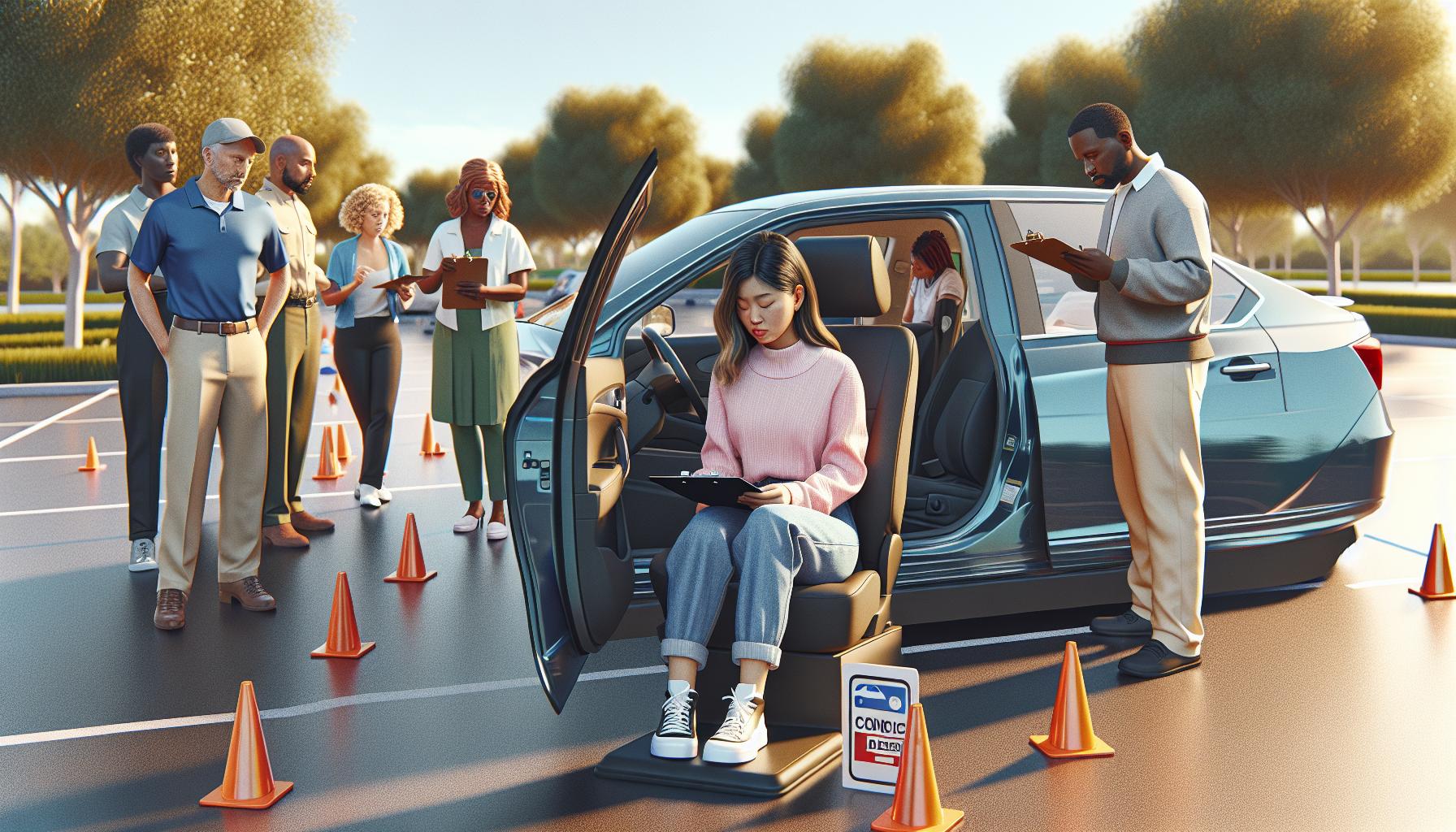
Feeling anxious about driving is an experience many share, and confronting that fear can seem daunting. However, transforming anxiety into confidence is achievable through practical exercises designed to prepare you mentally and physically before getting behind the wheel. Consistency in these practices can gradually help you find comfort and self-assurance in driving situations.
One effective approach is to simulate driving scenarios in a low-pressure environment. This could involve sitting in your car either parked or in a safe space. Start by familiarizing yourself with the controls and features of the vehicle. Create a routine where you repeat simple driving motions, such as turning on the ignition, adjusting mirrors, and driving short distances around empty parking lots. Gradually increase the duration and complexity of these practices as you build confidence.
Another technique is visualization, which can significantly enhance your driving preparation. Close your eyes and vividly imagine yourself driving confidently. Picture every detail: the road ahead, your relaxed grip on the wheel, and the ease of changing lanes. Envision positive outcomes, such as arriving at your destination safely and with a sense of accomplishment. This mental rehearsal shifts your focus away from fear and towards the feelings of success you want to experience.
In addition, practice deep breathing techniques. Before your driving session, take a moment to breathe deeply and to ground yourself. Inhale for a count of four, hold it for four counts, and exhale slowly for six seconds. Repeat this cycle several times; it helps calm your nerves and focus your mind. You might also find it helpful to listen to calming music or motivational podcasts while you prepare, creating an atmosphere that fosters confidence rather than anxiety.
Setting achievable goals can also empower you on your journey. Start by identifying specific, small objectives before each driving session, such as driving to a familiar location, parking in a quiet area, or practicing parallel parking. Celebrate these accomplishments, no matter how minor they may seem, to reinforce the positive reinforcement cycle that builds genuine confidence behind the wheel. Remember, progress is not always linear; every step forward is a victory worth acknowledging.
Step-by-Step Guide to Overcome Panic Situations on the Road
Experiencing panic while driving can feel overwhelming, but with the right strategies, you can take control and navigate through these moments of anxiety. The key is to break down the situation and equip yourself with tools to manage your fear effectively. Here are actionable steps to help you overcome panic situations on the road:
Recognize the Signs
The first step is to become aware of your body’s signals. Recognizing the physical signs of anxiety-such as a racing heart, shallow breathing, or increased tension in your muscles-can help you understand when panic is beginning to set in. Acknowledging these signs allows you to implement your coping strategies early on rather than letting panic escalate.
Practice Grounding Techniques
When you start feeling panicked, grounding techniques can help you regain control. These techniques include:
- Deep Breathing: Take deep, controlled breaths. Inhale for a count of four, hold for four, and exhale for six. This can shift your focus away from anxiety and help calm your nervous system.
- Five Senses Exercise: Identify five things you can see, four you can touch, three you can hear, two you can smell, and one you can taste. This brings your attention back to the present moment.
Take a Break
If you find yourself in a situation that feels too overwhelming, it’s okay to pull over safely to the side of the road. Take a few moments to collect your thoughts, practice your breathing exercises, and remind yourself that you are safe. Reassuring yourself that it’s perfectly fine to take a break can reduce the pressure you might feel to keep driving.
Visualize Success
Before you even get into the car, visualize successful driving experiences. Picture yourself confidently navigating through traffic, handling any challenging situation with ease, and arriving safely at your destination. This mental rehearsal can significantly decrease feelings of panic by reinforcing a positive mindset.
By adopting these strategies, you can transform moments of panic into opportunities for growth and confidence. Remember that each step toward calming your anxiety on the road-whether it’s recognizing your triggers, practicing grounding techniques, or fostering a positive mindset-serves to build your resilience as a driver. Progress may be gradual, but every small victory counts on your journey to becoming a more confident driver.
Mindfulness Practices to Stay Calm While Driving
Staying calm while driving is essential for building confidence and overcoming anxiety. Mindfulness practices are powerful tools that can help you cultivate a sense of presence and focus, making your driving experience more enjoyable and less stressful. By integrating these techniques into your routine, you can shift your mindset and reduce feelings of nervousness that might otherwise distract you on the road.
One effective mindfulness practice is to engage in mindful breathing. Before you start the car, take a few moments to center yourself. Close your eyes, inhale deeply through your nose for a count of four, hold for four, and exhale slowly through your mouth for a count of six. Repeat this exercise a few times to calm your mind and body. This practice not only reduces anxiety but also enhances your awareness and concentration, allowing you to stay focused on the road ahead.
Another valuable technique involves active observation. As you drive, consciously observe your surroundings rather than letting your mind drift to worries or distractions. Notice the details of the beautiful landscapes, the rhythm of traffic lights, and the sounds around you. This practice helps you stay grounded and focused on the task at hand, diminishing feelings of anxiety and fostering confidence in your driving abilities.
Additionally, incorporating affirmations into your driving routine can work wonders. Before or during your drive, repeat positive affirmations such as, “I am a capable driver,” or “I trust my abilities.” This practice not only encourages self-belief but also transforms your mindset, replacing negative thoughts with empowering ones. Consider creating a playlist of soothing music or motivating affirmations that you can listen to while driving, fostering a peaceful and confident atmosphere within your vehicle.
By integrating these mindfulness practices into your driving, you not only calm your nerves but also create a more empowering and self-assured driving experience. Remember, mindfulness is a journey, and each drive is an opportunity to practice and improve your skills. Embrace the process and celebrate your progress as you become a more confident and mindful driver.
How To Use Positive Affirmations for Driving Confidence
Integrating positive affirmations into your driving routine can be a game-changer for building confidence and overcoming anxiety behind the wheel. Imagine stepping into your car not encumbered by self-doubt but rather buoyed by a sense of self-assuredness and purpose. Affirmations serve as powerful reminders of your capabilities, gently nudging aside feelings of fear and insecurity. They create an empowering narrative that helps reshape your relationship with driving, making it a more enjoyable experience.
The key to effectively using affirmations lies in personal relevance and consistency. Here are some actionable steps to incorporate affirmations into your driving practice:
- Identify Your Affirmations: Start by writing down a few affirmations that resonate with you. Examples include “I am a skilled and confident driver,” “I navigate roads with calm and focus,” or “Every drive I take strengthens my confidence.” Tailor these statements to reflect your unique journey and challenges.
- Daily Repetition: Commit to repeating your affirmations whenever you have a moment of quiet. This could be while you’re sitting in traffic, waiting for a red light, or even when you first enter your vehicle. Consistency helps reinforce a positive mindset.
- Visual Reminders: Write your affirmations on sticky notes and place them where they will catch your eye-on your dashboard, rearview mirror, or even inside your home. Each time you see them, take a moment to recite them aloud.
- Affirmations with Action: Combine your affirmations with a physical action. For example, as you say, “I trust my instincts while driving,” gently tap your fingers on the steering wheel to reinforce the connection between your words and your actions.
Incorporating affirmations is more than just positive self-talk; it’s about cultivating a mind that supports your growth. You might initially feel silly or skeptical, but with time, the positive shifts in your mindset and driving experiences will become increasingly apparent. Remember that every small victory, such as completing a short drive without anxiety, deserves celebration. As you repeat your affirmations and witness your confidence grow, you’ll find that driving transforms from a source of stress into an avenue for freedom and empowerment. Embrace this journey of self-discovery, knowing that each affirmation is a step toward becoming the confident driver you aspire to be.
Creating a Supportive Driving Environment for Success
Creating a positive driving environment can significantly impact your confidence behind the wheel. Consider your vehicle as not just a mode of transportation, but a space where you can foster a sense of safety and comfort. By personalizing and optimizing your driving surroundings, you can alleviate anxiety and promote a more enjoyable driving experience.
Start by organizing your car. Remove clutter that can distract you or create visual noise. A tidy space not only feels inviting but also helps clear your mind. Next, make adjustments to your seating position and mirrors to ensure maximum comfort and visibility. Feeling physically secure and in control of your surroundings is crucial.
Incorporating elements that soothe your nerves can also make a difference. Perhaps a calming air freshener or soft music can create a relaxing atmosphere. Experiment with playlists that uplift your spirits or settings that help you feel in control. You might find that selecting a familiar route or driving during quieter times enhances your sense of security.
It’s also beneficial to establish a pre-drive routine that helps you mentally prepare. This could involve deep breathing exercises, stretching, or even a brief affirmation session before you start the engine. Taking the time to check in with your mental state and preparing yourself can empower you to take on the road with confidence. By cultivating a supportive driving environment, you’re not just changing your physical space-you’re transforming your mindset and paving the way for a more fearless driving experience.
Building Skills: Basic Lessons for Nervous Drivers
Establishing fundamental driving skills is essential for nervous drivers seeking confidence on the road. Understanding that everyone starts somewhere can be empowering-many have overcome their fears and learned to enjoy driving. The first step in this journey is to familiarize oneself with the vehicle and its controls, ensuring comfort and confidence before even hitting the road.
Understanding Your Vehicle
Before getting behind the wheel, take time to explore and understand your vehicle. Familiarize yourself with the controls, dashboard indicators, and operating functions such as lights, wipers, and mirrors. A simple practice like sitting in the driver’s seat and adjusting the settings to your preference can significantly reduce anxiety. Consider jotting down important controls and their functions on a note card to keep handy during early drives.
Practice in Quiet Spaces
Start your driving practice in low-stress environments. Empty parking lots and quiet residential streets are ideal locations to build foundational skills without overwhelming distractions. Focus on basics such as starting, stopping, turning, and parking. As you grow comfortable, gradually introduce more complex maneuvers. This gradual increase in challenge aligns with exposure therapy, a proven method for reducing anxiety.
Taking it Step by Step
Here’s a structured approach to building driving skills for nervous drivers:
- Set Realistic Goals: Determine clear, achievable goals for each practice session, such as “getting comfortable with turning” or “practicing parallel parking.”
- Visualize Success: Prior to driving, visualize yourself successfully completing your driving tasks. Picture the positive feelings associated with driving, allowing confidence to build within.
- Invite a Supportive Companion: Bring along a calm, supportive friend or family member who can offer guidance and reassurance during your practice sessions.
- Practice Defensive Driving: Learning how to anticipate and react to other drivers’ actions helps foster a sense of control and improves safety awareness.
- Monitor Progress: Keep a driving journal where you record your experiences, feelings, and improvements after each session. This reflects your growing confidence and reinforces positive changes.
This step-by-step practice not only improves handling and navigation skills but also reshapes your mindset towards driving. Each small victory leads to greater self-belief and fosters an authentic sense of empowerment as a driver. By embracing the journey and celebrating progress, you allow yourself the grace to learn and grow, ultimately transforming driving into an enjoyable part of your life.
Gradual Exposure: Techniques to Conquer Driving Fear
The journey to overcoming driving anxiety often begins with the powerful technique of gradual exposure. This method involves systematically introducing yourself to the driving environment in a way that feels manageable and non-threatening. Instead of diving headfirst into stressful situations, you can take small, deliberate steps that help build your confidence over time. This method not only reduces anxiety but also enhances your comfort level behind the wheel, allowing you to reclaim the joy of driving.
To begin, assess your current comfort level with driving. Identify specific scenarios that trigger your anxiety-these could range from navigating busy intersections to driving on highways. Once you have pinpointed these areas, create a hierarchy of exposure. Start with situations that evoke the least anxiety and gradually progress to those that challenge you more. For instance, you might begin by practicing in an empty parking lot to build basic skills before moving on to quiet residential streets and eventually tackling more active roads.
It’s essential to pair this exposure with positive reinforcement. Each time you complete a driving task, no matter how small, acknowledge your achievement. Keeping a driving journal can be an effective strategy; jot down your experiences, feelings, and milestones after each practice session. This not only tracks your progress but also helps solidify your sense of accomplishment. Over time, you’ll likely notice a marked decrease in anxiety as you become more familiar with the various driving situations that once felt daunting.
Incorporating mindfulness techniques, such as deep breathing exercises, before and during your drives can also enhance your gradual exposure practice. When you feel anxiety creeping in, take a moment to pause, breathe deeply, and center yourself. This will help maintain a calm state of mind, enabling you to approach each new driving task with assurance and poise. By embracing this step-by-step approach, you’re not only facing your fears but transforming your relationship with driving into a source of empowerment and confidence.
Transformative Strategies for Long-Term Confidence Building
Building genuine confidence in driving goes beyond mastering skills; it’s about transforming your mindset and establishing a fulfilling relationship with the road. Many may feel overwhelmed by the thought of getting behind the wheel, but engaging in transformative strategies can set the ground for long-lasting confidence. Create a repertoire of techniques that bolster both emotional and practical aspects of driving, enabling you to navigate any situation calmly and assuredly.
One effective approach is to visualize success before driving. Picture yourself confidently tackling routes you typically find challenging. This mental rehearsal not only eases anxiety but also instills a sense of familiarity with the scenarios you’ll encounter. You can enhance this technique by practicing with a trusted friend or family member who can provide constructive feedback, thus offering social support while you work on your skills.
Another strategy is to set realistic, incremental goals. Start by defining what success looks like for you. This could be as simple as driving around the block initially, then progressing to a grocery store parking lot, and eventually hitting busier roads. Celebrate each achievement, no matter how small. Acknowledging these milestones can reinforce your growth mindset and build lasting confidence, allowing you to see your progress over time.
In addition to these techniques, cultivate a positive driving environment. Make your car a space that feels safe and comfortable. This could mean keeping it clean, choosing your favorite playlists to listen to during drives, or using calming scents. Establishing a pleasant atmosphere can help ease tension, making you more inclined to take that next drive with assurance.
Finally, practice mindfulness techniques regularly. Embrace deep breathing exercises and grounding techniques to help manage anxious feelings. When you enter your car, take a moment to breathe deeply, focusing on the present. This practice can clear your mind of racing thoughts, setting a calmer tone for your drive. By integrating these strategies into your routine, you can build a resilient mindset that not only supports your driving endeavors but enhances your overall confidence in daily life.
How to Track Progress and Celebrate Driving Achievements
Tracking progress and celebrating achievements is vital for building confidence in driving, especially for those grappling with anxiety. Keeping a journal or log of your driving experiences can transform what might feel like a daunting journey into a series of accomplishments. With each drive you undertake, take note of how you felt, the routes taken, and any challenges faced. This tangible record not only highlights your efforts but also allows you to recognize patterns over time-like how you felt beforehand compared to afterwards.
Here are some practical steps to ensure you effectively track your progress:
- Daily Reflections: After each drive, jot down your thoughts. Did you feel nervous? What parts did you handle well? Progress can manifest in small ways.
- Set Milestones: Define clear, achievable goals for your driving journey. For instance, aim to drive in three different areas this month. Celebrate when you achieve them!
- Visual Reminders: Create a visual representation of your progress. Use a chart or a calendar to mark your driving days. This not only serves as motivation but also provides a satisfying visual reminder of your commitment.
- Positive Reinforcement: Treat yourself after reaching milestones. Plan fun outings to places you’ve driven to successfully or indulge in self-care activities that you enjoy.
By implementing a structured tracking system, you cultivate a deeper awareness of your journey and foster a mindset that emphasizes growth. Celebrations can be as small as sharing your achievements with a friend or as significant as rewarding yourself with something special. These acts reinforce a positive relationship with driving, transforming it from a source of anxiety into a field of triumph and self-discovery. Remember, each confident moment behind the wheel is a step toward long-term empowerment, paving the way for more enjoyable and stress-free driving experiences.
Faq
Q: How can I calm my nerves before driving?
A: To calm your nerves before driving, practice deep breathing exercises and visualize a successful drive. Consider using positive affirmations to boost your confidence. Engaging in mindfulness practices can also help you stay focused and relaxed. For techniques on mental preparation, check the “Psychology Behind Confidence” section of our article.
Q: What are some techniques to manage panic while driving?
A: When experiencing panic while driving, use grounding techniques like focusing on your breath or counting objects outside. If panic arises, safely pull over to collect yourself. Gradual exposure through familiar routes can also help in reducing anxiety over time. Refer to the “Step-by-Step Guide to Overcome Panic Situations” for detailed strategies.
Q: Is it normal to feel anxious about driving?
A: Yes, feeling anxious about driving is common. Many people experience driving anxiety due to various triggers. Understanding these triggers helps in managing responses and building confidence. You can explore more about this in the “Common Triggers of Driving Anxiety” section of our article.
Q: How can I build confidence as a new driver?
A: To build confidence as a new driver, start with short, familiar routes and gradually increase your exposure to more challenging environments. Participate in practice driving sessions with an experienced driver. Our section on “Building Skills: Basic Lessons for Nervous Drivers” offers practical exercises that can help.
Q: What role does mindfulness play in overcoming driving anxiety?
A: Mindfulness plays a crucial role in overcoming driving anxiety as it encourages present-moment awareness and reduces overthinking. Practicing mindfulness can help you remain calm and focused while driving, enhancing overall confidence. Explore techniques in the “Mindfulness Practices to Stay Calm While Driving” section for actionable steps.
Q: How can positive affirmations help with driving confidence?
A: Positive affirmations can help build self-belief and reduce anxiety by encouraging a positive mindset. Repeating affirmations related to safe and confident driving can transform your inner dialogue and improve your performance. Check out the section on “How To Use Positive Affirmations for Driving Confidence” for specific affirmations to adopt.
Q: What steps should I take if I experience anxiety while learning to drive?
A: If you experience anxiety while learning to drive, communicate your feelings with your instructor. Consider practicing in low-traffic areas and gradually work your way up. Regular practice combined with the support of a calm co-driver can significantly ease anxiety. See “Gradual Exposure: Techniques to Conquer Driving Fear” for more insights.
Q: How can tracking my driving progress boost my confidence?
A: Tracking your driving progress helps visualize improvement and reinforces a sense of achievement. Keeping a journal or using a mobile app to note accomplishments can boost your morale. Celebrate milestones along the way to maintain motivation. For more on celebrating achievements, refer to the section on “How to Track Progress and Celebrate Driving Achievements.”
To Wrap It Up
Congratulations on taking the first step towards overcoming road anxiety! Remember, building driving confidence is a journey, and with each drive, you’re becoming calmer and more capable. For deeper insights, explore our articles on essential driving tips and ways to enhance driving confidence that can further empower your experience.
Don’t hesitate to put what you’ve learned into practice today. Every small step you take behind the wheel enhances your confidence and prepares you for more challenging situations. If you have questions or want to share your experiences, please leave a comment or visit our community. Together, we can navigate the path to driving confidence. For additional support and resources, consider signing up for our newsletter to stay updated with the latest tips and strategies. Keep driving forward-you’re capable of so much more than you think!