
Are you ready to reclaim your kitchen and unveil the confident cook within you? “A Confident Cook: Transform Your Kitchen Into Your Kingdom” is designed to empower you to conquer your culinary anxieties and embrace the joy of cooking. With every dish, you can build skills, ignite your creativity, and foster a sense of belonging in your own kitchen realm. Cooking is not just about the food-it’s about self-discovery, mastery, and embracing your unique style. If you’ve ever felt overwhelmed by recipes or hesitant to experiment, you’re not alone. Many aspiring cooks share these fears, but the secret lies in practice, exploration, and the right mindset. As we journey together through practical techniques and encouraging insights, you’ll learn to transform your kitchen into a vibrant space where confidence grows and creativity flourishes. Get ready to ignite your culinary passion and take the first step toward becoming the cook you’ve always dreamed of being!
Cultivating Kitchen Confidence: Building Your Culinary Skills
Building kitchen confidence is akin to learning an art; the more you practice, the more skilled and comfortable you become. Research shows that many people experience insecurity or anxiety when it comes to cooking, often stemming from a fear of failure or a belief that they lack the necessary skills. By taking gradual steps to enhance your culinary abilities, you can transform this apprehension into confidence, making cooking an enjoyable and rewarding experience.
One effective approach to cultivating kitchen confidence is by starting small and gradually challenging yourself. Begin with simple recipes that require few ingredients and basic techniques. As you successfully complete these dishes, celebrate your achievements. Document what you enjoy about each cooking experience-this could be the aromas, the textures, or simply the satisfaction of creating something from scratch. Over time, you’ll build a mental repository of positive cooking memories that reinforce your self-belief.
Practice Mindful Cooking
Mindful cooking is about being present in the moment, which can significantly reduce anxiety. Choose a recipe you love and immerse yourself in the process. Focus on the sounds, smells, and sights of cooking-take time to chop vegetables, stir ingredients, and taste your preparations as they evolve. This practice not only enhances your culinary skills but also strengthens your connection with food, turning cooking into a form of self-care and exploration.
Learn from Mistakes
Mistakes are a natural part of any learning process, including cooking. Instead of viewing them as failures, adopt a growth mindset that sees each misstep as an opportunity to improve. For instance, if a dish doesn’t turn out as expected, take notes on what went wrong and how you might adjust in the future. This proactive approach not only helps in developing technical skills but also boosts your resilience and confidence in the kitchen.
With time and practice, you will discover that cooking is not just about following recipes but rather about developing a unique expression of yourself through food. Embrace your culinary journey, and remind yourself that every confident cook started where you are now.
Essential Tools: Equip Your Kitchen Like a Pro
The essence of culinary confidence often begins with the right tools. A well-equipped kitchen empowers you to experiment with flavors and techniques, transforming daunting recipes into delightful creations. Imagine walking into your cooking space, surrounded by utensils that inspire creativity and ease. Whether you’re a beginner or simply looking to refresh your kitchen arsenal, investing in essential tools is a significant step toward mastering the culinary arts.
To set yourself up for success, here are key tools every confident cook should consider:
- Chef’s Knife: A versatile, sharp knife will be your best friend. It’s perfect for chopping, slicing, and dicing a variety of ingredients.
- Cutting Board: Choose a sturdy wooden or plastic cutting board to protect your countertops and keep your knife blades sharp.
- Measuring Cups and Spoons: Precision is key in cooking, and having accurate measuring tools ensures consistent results every time.
- Nonstick Skillet: Ideal for sautéing and frying, a high-quality skillet prevents food from sticking and makes for easier cleanup.
- Mixing Bowls: These are essential for prep work, allowing you to mix, marinate, and store ingredients easily.
- Wooden Spoon: Gentle on cookware and perfect for stirring, a wooden spoon also adds a touch of rustic charm to your kitchen.
- Silicone Spatula: Essential for baking and cooking with nonstick surfaces, it helps you scrape out every bit of batter or sauce.
- Box Grater: Great for grating cheese, vegetables, or zesting citrus, this simple tool can elevate your dishes effortlessly.
- Tongs: Perfect for flipping and serving, tongs give you control without piercing delicate foods.
- Instant-Read Thermometer: Ensuring your meats are cooked to perfection is easier with a reliable thermometer, offering peace of mind and culinary success.
Once you equip your kitchen with these essentials, the next step is to familiarize yourself with each tool’s use. Experimenting with different techniques-from chopping vegetables to sautéing proteins-will build your confidence and competence. Each time you successfully navigate a cooking task with the right tools, you’re crafting not only a meal but also your cooking identity. Remember, every expert chef began as a novice; let your essential tools guide you toward delicious victories in the kitchen.
Mastering Recipes: From Simple to Stellar Dishes
Finding comfort in the kitchen can seem overwhelming, but mastering recipes is a transformative journey that allows home cooks to evolve from creating simple dishes to crafting culinary masterpieces. At the core of this journey lies the understanding that every chef, at one time, started with basic recipes and honed their skills through practice and experimentation. Embrace the idea that cooking is not just about following instructions; it’s an opportunity to express creativity and transform ingredients into delicious experiences.
Start by focusing on familiarizing yourself with a few simple recipes. Choose dishes that excite you and that you can prepare repetitively to build your confidence. As your comfort grows, gradually introduce more complex recipes that challenge you. Don’t shy away from making mistakes; every misstep is an invaluable lesson that shapes your culinary identity. For example, if you over-salt a soup, analyze how much you used and adjust next time. This process of trial and adjustment not only enhances your cooking skills but also fortifies your self-belief in your abilities.
Another fulfilling strategy is to personalize the recipes you love. Once you feel comfortable with a base recipe, experiment by adding your favorite herbs, spices, or other ingredients to make it uniquely yours. This can be as simple as adding a splash of lemon juice to a pasta dish for brightness or trying out a different cheese to elevate a standard mac and cheese. Such modifications not only make the dish more enjoyable but also cultivate a sense of ownership over your cooking.
Regularly engaging with diverse recipes can further expand your culinary repertoire. Explore different cuisines, global techniques, or even seasonal ingredients. This encourages a playful approach in the kitchen and highlights that cooking is as much about exploration as it is about execution. Consider organizing a themed cooking night where you tackle a different cuisine each week, inviting friends or family along for the culinary adventure. Your kitchen becomes a vibrant space for both learning and connection, reinforcing the joy of cooking while building your confidence along the way.
By continually practicing, personalizing, and exploring, you will find your culinary skills blossoming, leading to a profound confidence that transcends the kitchen and impacts other areas of your life. Remember, each meal prepared is not just food served-it’s a step towards self-discovery, mastery, and joy in the kitchen.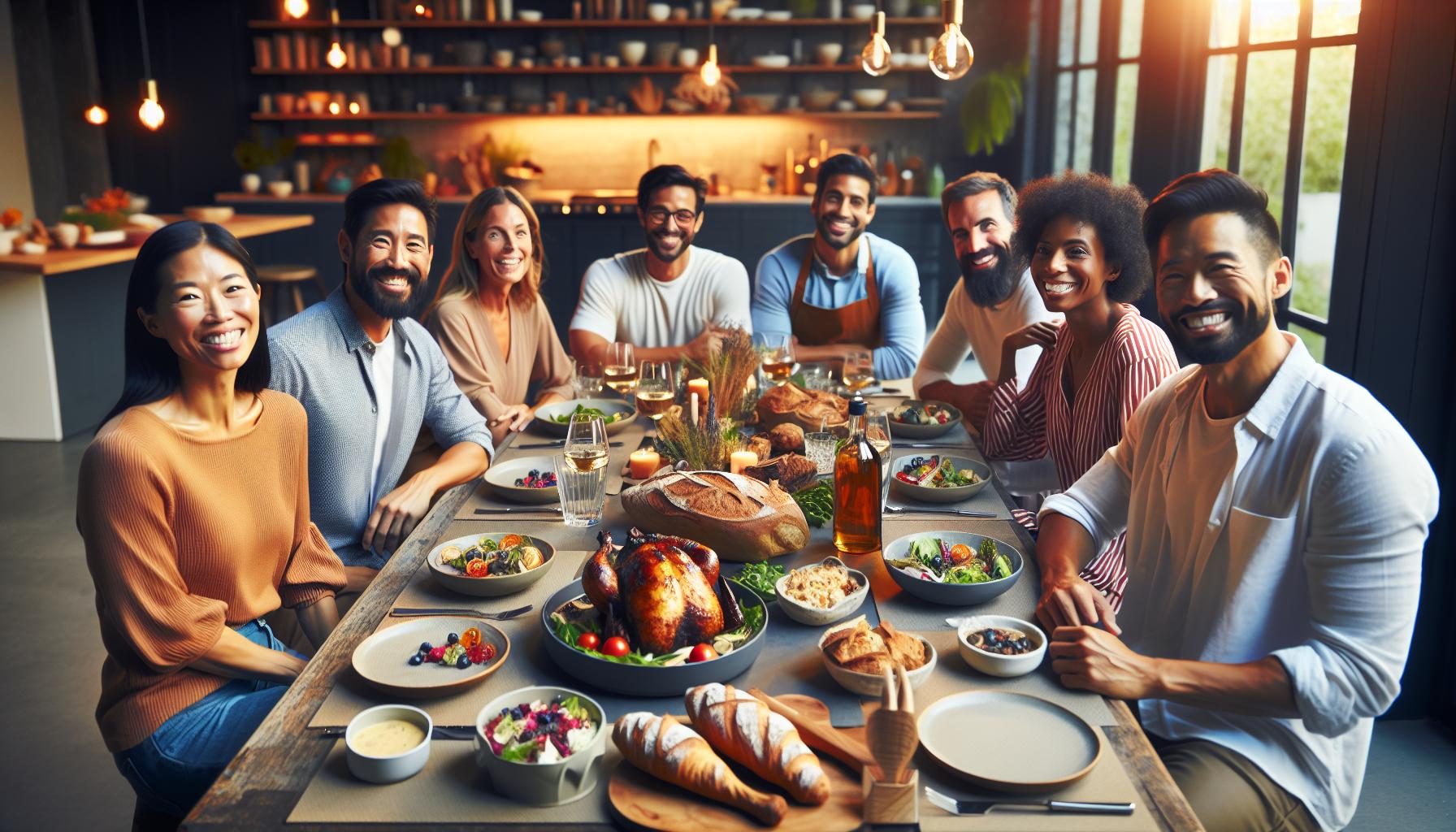
Flavor Exploration: Discovering Global Cuisines and Techniques
The rich tapestry of global cuisines offers an exciting landscape for culinary exploration, empowering you to diversify your cooking repertoire beyond the confines of familiar flavors. Delving into various culinary traditions not only tantalizes your taste buds but also builds your confidence as a cook. Each ingredient, technique, and dish tells a story, inviting you to embark on a journey through vibrant cultures and time-honored practices. By immersing yourself in these flavors, you’re not just learning to cook; you’re cultivating a deeper appreciation for the artistry behind food.
To kickstart your flavor exploration, consider hosting an international cooking week at home. Each day, choose a different country’s cuisine to research and prepare. For instance, you might start with a classic Italian dish such as risotto, move on to a fragrant Indian curry, and finish the week with a vibrant Thai stir-fry. With each recipe you attempt, take note of the key spices and techniques used. Don’t hesitate to ask local ethnic grocers for advice on choosing authentic ingredients; they are often a wealth of knowledge and can point you towards new flavors.
Another effective approach is to keep a flavor journal, documenting your tastes and experiments. This can be simple: list ingredients you enjoy and those you would like to explore further. Write variations on tried-and-true recipes, incorporating elements inspired by global cuisines. For example, you might blend the zesty flair of a Mexican salsa with the elements of a classic salsa verde using tomatillos and cilantro. These small shifts can yield exciting results and encourage creativity while reinforcing your confidence.
Finally, utilize online resources and cooking classes focused on international cuisine. Platforms like YouTube and cooking apps offer free tutorials that guide you step-by-step through traditional recipes. Engage with cooking communities on social media; sharing your progress can foster a supportive environment where feedback and encouragement flow freely. Remember, each dish is an opportunity for growth and self-expression. Embrace this culinary adventure and allow it to shape not just your skills but also the way you perceive the art of cooking. The journey is just as important as the destination, so savor every moment of your exploration.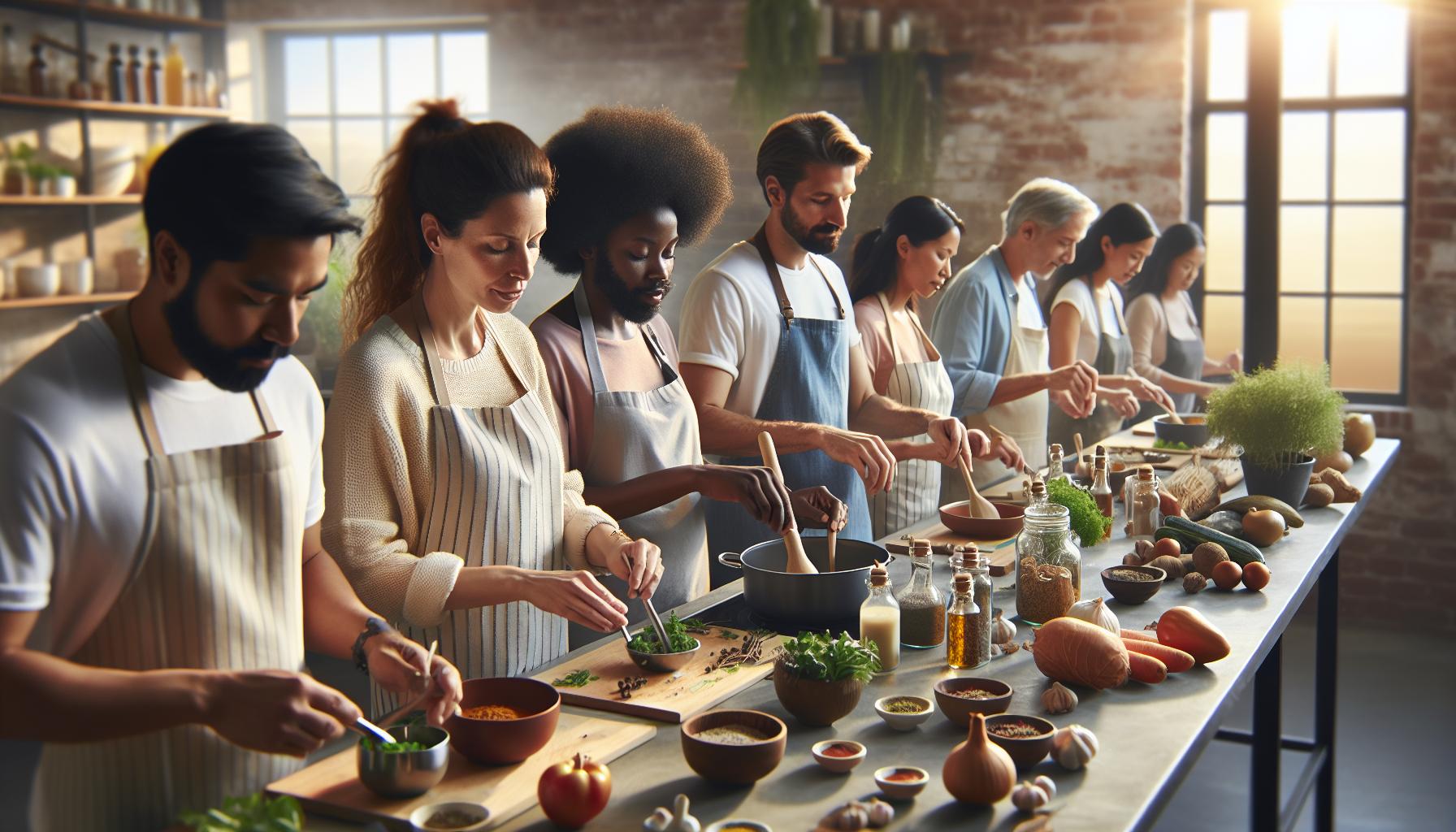
Presentation Matters: Plating Tips for Beautiful Meals
Transforming your culinary creations into visual masterpieces is not just an art; it’s a crucial step in building confidence in your cooking journey. When you present a beautifully plated dish, you not only enhance the dining experience but also instill a great sense of pride in your skills as a cook. Just as a well-structured dish can make a meal memorable, how you plate your food matters immensely. It’s all about the details, and with a few simple techniques, you can elevate your dishes from ordinary to extraordinary.
Key Plating Techniques
- White Space Matters: Use the negative space on your plate to create contrast. A simple white plate can enhance the colors of your dish, making it more visually appealing. Aim for a balance between food elements and empty space.
- Layering: Build height and dimension by stacking or layering ingredients. This can add visual interest and a sense of depth. For example, when serving a grilled vegetable stack, arrange the components in a staggered manner.
- Garnishing: Fresh herbs, edible flowers, or drizzles of olive oil can refresh the dish aesthetically. A sprinkle of microgreens or a dollop of sauce can add a sophisticated touch, signaling attention to detail.
- Color Contrast: Incorporate a spectrum of colors to make your plate pop. Brilliant greens, vibrant reds, and deep purples create an inviting appeal. Choose ingredients that complement each other both in taste and color for maximum effect.
Practice Your Presentation Skills
Each meal is an opportunity to practice your plating skills. Start small by focusing on one element at a time-perhaps concentrating on how you arrange your main dish before adding the accompaniments. As you become more comfortable, experimentation will help refine your style. Consider setting up a “plating night” at home; invite friends in for a casual dinner and share your successes and learning moments. This not only serves as practice but also encourages constructive feedback, something incredibly valuable in building confidence.
Lastly, remember that the primary goal of plating is to enhance enjoyment, both visually and taste-wise. Embrace imperfections; they often add character. With courage and creativity, you can learn to plate like a pro, turning each meal into a celebration-and in doing so, you’ll strengthen your confidence in the kitchen, transforming your cooking space into a true kingdom of culinary artistry.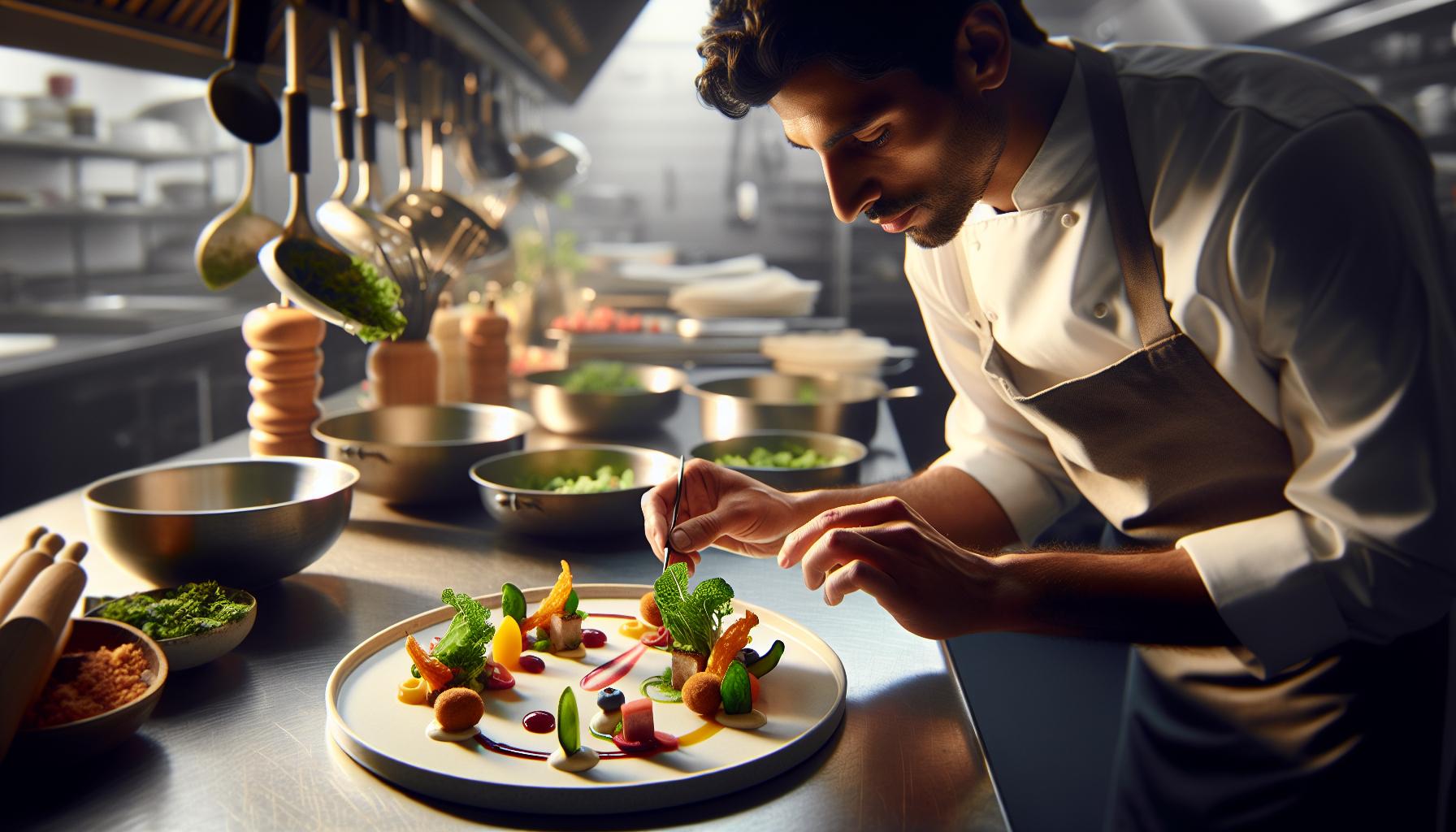
Meal Planning Made Easy: Organize Your Culinary Schedule
Creating a structured meal plan not only streamlines your culinary routine but also empowers you as a cook, allowing you to embrace creativity and reduce the stress of last-minute decisions. Imagine waking up to a week’s worth of delicious meals already mapped out; it’s a game-changer that transforms your kitchen into a realm of organized culinary exploration. By planning your meals, you take control of both your time and your taste buds, confidently navigating through the vibrant flavors and diverse dishes you wish to try.
Start by assessing your schedule for the week ahead. Identify days where you may have more time to cook and those when you might need something quick and easy. This foresight allows you to cater your meal choices around your lifestyle, thus enhancing your culinary confidence. Next, consider the ingredients you already have on hand. A simple pantry check can spark inspiration, enabling you to incorporate what you already possess into your meal planning, reducing food waste while also losing less specificity.
Once you have an idea of your week’s demands, create your meal plan. Make a list of the recipes you want to make-aim for a mix of simple and more adventurous dishes. Think about including a few elements that can be batch-cooked or repurposed across multiple meals to save time and effort. For instance, cook a large batch of quinoa that can serve as a base for several salads or bowls throughout the week. This strategic approach allows you to experiment without the pressure of starting from scratch each time.
Weekly Meal Planning Steps
- Review Your Schedule: Identify busy days and plan quick meals for them while reserving more elaborate dishes for relaxed days.
- Inventory Your Pantry: Check what ingredients you have and integrate them into your meal plan to avoid waste.
- Diverse Recipe Selection: Choose a mix of simple recipes and new culinary techniques to challenge yourself.
- Batch Cooking: Prepare larger portions of versatile ingredients that can be used in multiple recipes throughout the week.
Embrace the flexibility of meal planning-make adjustments as the week progresses depending on your cravings or changing schedules. This adaptability not only builds confidence but also fosters a love for the cooking process itself. By organizing your meals in a way that highlights your preferences and lifestyle, you empower yourself to enjoy cooking rather than see it as an obligation. Each step taken towards meal planning is not just a step toward efficiency but a giant leap towards becoming a more confident and capable cook in your culinary kingdom.
Mindful Cooking: Embracing Joy and Creativity in the Kitchen
Cooking can be a profound expression of creativity, allowing you to engage with ingredients and flavors while nurturing your own culinary identity. When you cook mindfully, you shift your focus away from the hustle of daily life and invite a sense of calm and presence into your kitchen. This approach not only enhances the joy of cooking but also cultivates a deeper confidence in your abilities, transforming every meal into an opportunity for self-exploration and satisfaction.
To embrace mindful cooking, start by consciously engaging your senses. When chopping vegetables, pay attention to the colors and textures, and inhale their fresh scents. Allow yourself to enjoy each step of the cooking process without distraction. Consider setting aside a dedicated time where the kitchen is your sanctuary, free from noise or interruptions, giving you the space to immerse yourself fully in the act of creating. With practice, this attention can enhance your skills and intuition, letting you develop a personal style in the kitchen.
A practical way to incorporate mindfulness is through intentional meal preparation. As you plan your meals, take time to visualize the finished dish and the experience you want to create. Select ingredients that not only nourish your body but also excite your palate. Once at the stove, engage in the cooking process as a meditation: focus on the rhythmic movements of stirring, the sizzling sounds of ingredients cooking, and the delightful aromas filling the air. This level of awareness can transform even mundane tasks into fulfilling rituals, building a foundation of confidence as you watch your skills improve with each dish.
Lastly, don’t shy away from creative expression. Try to adjust recipes based on your preferences or experiment with new ingredients. Whether it’s substituting a spice in a trusted recipe or incorporating culturally diverse cooking techniques, each choice you make is a chance to explore and expand your culinary repertoire. By framing cooking as a joyful, creative experience rather than a chore, you foster a loving relationship with your kitchen, empowering you to whip up meals with confidence. Embrace the journey, and remember, every expert was once a beginner-each successful dish is a stepping stone toward mastering your culinary kingdom.
Kitchen Organization: Streamline Your Cooking Space
Creating an organized kitchen is not just about aesthetics; it’s a critical step towards fostering confidence in your culinary journey. A streamlined cooking space allows for efficiency, reduces stress, and enhances your overall cooking experience. When everything has its place, you can focus on what truly matters-cooking delicious meals-rather than sifting through clutter or losing track of ingredients.
To transform your kitchen into a functional and inspiring environment, consider these actionable steps:
Assess and Declutter
Start by emptying cabinets and drawers. This allows you to clearly see what you have. Discard any expired items, broken utensils, or appliances that you never use. Hold onto only those items that serve a purpose or bring you joy. This decluttering process can feel liberating and provides a fresh start.
Maximize Space with Organization Tools
Invest in storage solutions that work for your kitchen’s layout. Here are a few ideas:
- Drawer dividers: These can help maintain order with cutlery, tools, and utensils.
- Clear containers: Store pantry staples in transparent bins to easily monitor supplies and minimize waste.
- Magnetic knife strips: Free up counter space and keep your knives within easy reach.
With innovative storage solutions, even small kitchens can feel spacious and functional, giving you the confidence to explore new recipes without the distractions of disorganization.
Create a Cooking Zone
Designate specific areas for food preparation, cooking, and storage. Having a defined cooking zone minimizes unnecessary movement and allows for a smoother flow. Place the essential tools within reach, like cutting boards and knives near your prep area, and keep pots and pans close to the stove. By creating this workspace, you’re reducing chaos and encouraging focus, which is crucial especially if self-doubt tends to creep in during busy cooking sessions.
Embrace Labeling and Visibility
Whether you’re organizing your pantry or fridge, labeling containers can save time and reduce frustration. Use clear labels for spices, grains, and other frequently used ingredients to ensure you know exactly where everything is located. When items are easy to locate, you’ll feel empowered to experiment in the kitchen without second-guessing yourself.
Ultimately, an organized kitchen is about promoting a stress-free culinary environment. As you implement these strategies, remember to take pride in your space. Each adjustment you make not only enhances functionality but also builds your confidence as a cook. As you streamline your kitchen operations, you open doors to creativity in your cooking and develop a deeper connection with your culinary skills.
Sustainable Practices: Cooking with a Conscience
Every time you step into the kitchen, you have the opportunity not only to nourish yourself but also to make choices that reflect your values. Sustainable practices in cooking allow you to take responsibility for your impact on the environment while boosting your culinary confidence. Making mindful choices about ingredients, waste, and sourcing can transform your cooking into a conscientious activity that feels empowering and impactful.
One effective way to embrace sustainability is through using seasonal and local produce. Not only does this support local farmers and reduce the carbon footprint associated with transporting food, but it also allows you to enjoy fresh flavors at their peak. Visit local farmers’ markets or join a community-supported agriculture (CSA) program, which provides you with a regular supply of seasonal ingredients. Learning to cook with whatever’s in season helps you build flexibility in your cooking and encourages creativity, as you’ll be inspired to experiment with new ingredients and recipes.
Incorporating plant-based meals into your diet is another fantastic way to practice sustainable cooking. Meat production has significant environmental costs, so exploring plant-based recipes can positively affect your health and the planet. Start small by designating one day a week as “Meatless Monday.” Experiment with new recipes that highlight grains, legumes, and seasonal vegetables, and you may discover a new favorite dish. This approach not only expands your culinary repertoire but also builds confidence as you learn to create satisfying and nutritious meals without relying heavily on animal products.
Additionally, waste reduction should be a priority in every kitchen. Begin by practicing mindful shopping; create a shopping list and stick to it to avoid impulse buys that may end up as waste. Utilize leftovers creatively to minimize food waste, turning them into salads, stir-fries, or soups. Composting food scraps is another way to ensure that waste returns to the earth. These small changes can lead to a significantly reduced environmental footprint and can empower you to feel good about the choices you make each day in the kitchen.
Lastly, adopt a mindset of experimentation with different cooking methods and cuisines that prioritize sustainability. Whether it’s learning new preservation techniques like pickling or fermenting, or exploring global cuisines that emphasize plant-based ingredients, shifting your cooking style can infuse excitement and confidence into your culinary adventures. By approaching cooking as an opportunity to mix creativity and responsibility, you develop a deeper connection not just with the food you prepare, but also with the values you hold dear. Embrace these practices and allow each dish to reflect a commitment to both your own culinary growth and that of the planet.
Experimenting with Ingredients: Gaining Fearless Culinary Freedom
Embracing the world of culinary experimentation can feel as liberating as finding your voice in a crowded room. When you step into the kitchen with an adventurous spirit, you not only unlock new flavors but also cultivate a formidable confidence that transforms how you approach cooking. This journey of experimentation invites you to break free from rigid recipes, encouraging you to think like an artist in your culinary kingdom, blending colors, textures, and tastes as you please.
Start by challenging yourself with a simple exercise: choose an ingredient you love but haven’t used extensively. This could be anything from a vibrant spice like sumac to a seasonal vegetable like kohlrabi. Research various ways different cultures utilize this ingredient and give yourself permission to experiment. For instance, if you pick a new grain, like farro, consider making a warm salad with roasted veggies, or even a breakfast bowl topped with yogurt and fresh fruits. It’s all about listening to your taste buds and allowing them to guide your creativity.
Practical Tips for Fearless Cooking
To further enhance your culinary exploration, consider the following approaches:
- Use a “What If?” Approach: Ask yourself, “What if I add this spice?” or “What if I substitute this ingredient?” This mindset encourages innovation.
- Embrace Mistakes as Learning Opportunities: Remember that every chef has faced failures. Think of them not as setbacks but as stepping stones to mastery.
- Join a Cooking Class or Workshop: Community cooking classes can provide both inspiration and hands-on techniques that can empower you to take risks.
- Cook with Friends: Gather friends for a cooking night where everyone brings a special ingredient. Sharing the experience can reduce anxiety and create joyful collaboration.
These small steps can lead to big changes. By exploring diverse ingredients, techniques, and casual approaches, you cultivate not just skills but also a resilient culinary mindset. Each successful dish adds to your repertoire, while less favorable experiences become teaching moments, solidifying your growth. Ultimately, owning your kitchen and experimenting fearlessly fosters a sense of accomplishment that resonates far beyond the meal itself. Embrace this journey-your culinary kingdom is waiting to flourish.
Mastering Cooking Techniques: From Basic to Advanced Skills
Mastering the nuances of cooking is akin to mastering a musical instrument; both require dedication, practice, and a willingness to learn from mistakes. By progressively achieving confidence in fundamental cooking techniques, you empower yourself to explore advanced culinary skills with assurance. This journey is not just about techniques but about unlocking creativity and developing an authentic style in the kitchen.
Start with foundational skills such as chopping, sautéing, and roasting. These are the cornerstone of many recipes and mastering them creates a solid base upon which you can build more complex dishes. Consider the following strategies to elevate your culinary prowess:
- Practice Knife Skills: Develop your knife skills by practicing different cutting techniques, such as julienne, dice, and chiffonade. Good knife skills not only enhance the appearance of your dishes but also improve cooking efficiency.
- Understand Cooking Techniques: Familiarize yourself with essential cooking methods such as boiling, blanching, searing, and braising. Each technique can affect the flavor and texture of ingredients, giving you the confidence to experiment with various dishes.
- Follow Simple Recipes: Begin with straightforward recipes that incorporate the techniques you want to learn. Integrated cooking shows or online tutorials can offer visual guidance, making it easier to grasp each skill in real-time.
- Progress to Intermediate Skills: Once comfortable with basic techniques, challenge yourself with intermediate skills like making sauces, using a pressure cooker, or mastering the art of baking. These skills will expand your repertoire and build your culinary confidence.
As you transition to more advanced skills, integrate elements like flavor balancing, plating, and ingredient substitutions. Learning how to season and flavor dishes effectively is crucial, and understanding how to achieve this allows you to adjust recipes to better suit your palate. Additionally, pay attention to plating techniques-an art form in itself-which can elevate your meals from ordinary to memorable.
Remember that confidence in the kitchen grows from practice and exploration. Allow yourself the freedom to experiment without the fear of failure. Each experience is a learning opportunity, a stepping stone toward becoming not just a cook, but an artist in your culinary kingdom. Embrace your journey, nourish your creativity, and enjoy the beautiful process of mastery in the kitchen.
Overcoming Kitchen Anxiety: Building Confidence with Every Meal
In the heart of the kitchen, anxiety can often simmer just below the surface, threatening to boil over at the worst possible moment. Many aspiring cooks find themselves paralyzed by self-doubt, worrying about making mistakes or disappointing themselves and their loved ones. The good news is that overcoming kitchen anxiety is not just possible; it’s an essential part of becoming a confident cook. By embracing a few practical strategies, you can transform your cooking space into a sanctuary of creativity and joy.
Begin by shifting your mindset about cooking. View each meal as a chance to express yourself rather than a test of your skills. Start small-prepare simple dishes that you know well to build your confidence. Focus on the sensory experience of cooking. Engage all your senses: the vibrant colors of fresh ingredients, the enticing aromas wafting from the stove, and the satisfying sounds of chopping and sizzling. This immersive experience can help ground you in the moment and reduce anxiety. Remember, it’s okay to make mistakes; they often lead to the best stories and learning moments.
Establish a supportive cooking environment by inviting friends or family to join you in the kitchen. Cooking with others can lighten the atmosphere and decrease performance pressure. Consider hosting a cooking night where everyone takes turns choosing recipes to prepare together. Sharing the experience can make the process more enjoyable and less daunting. Plus, having a team allows you to rely on collective skills while promoting a sense of camaraderie that can alleviate many of those anxious thoughts.
When anxiety strikes during meal prep, try incorporating mindfulness techniques. Simple breathing exercises can help calm your nerves. Before you begin cooking, take a few deep breaths and set a positive intention for your time in the kitchen. You might say to yourself, “I embrace this experience and allow myself to learn and grow.” Cultivating this attitude not only fosters an environment of creativity but also helps you respond to challenges with grace and resilience.
As you navigate the kitchen, keep a journal of your cooking endeavors. Documenting your culinary experiences-both triumphs and missteps-can provide valuable insights. Reflecting on your growth encourages resilience, helping you recognize that each experience builds a foundation for future success. Over time, a record of your journey will serve as a powerful reminder of how far you’ve come, reinforcing your belief in your abilities as a confident cook.
Overcoming anxiety in the kitchen isn’t merely about developing skills but also about fostering a positive relationship with cooking. By practicing mindfulness, sharing experiences with others, and embracing your journey, you empower yourself to flourish as a cook, transforming every meal into a celebration of creativity and self-discovery.
Frequently Asked Questions
Q: What are the key skills I need to develop to become a confident cook?
A: To become a confident cook, focus on mastering basic cooking techniques, understanding flavor profiles, and experimenting with different cuisines. Start by building knife skills and practicing cooking methods like sautéing and baking. The article “Cultivating Kitchen Confidence” offers detailed steps to help you build these essential skills.
Q: How can I organize my kitchen for efficient cooking?
A: An organized kitchen boosts confidence and efficiency. Group similar items together, such as utensils and spices, and keep your most-used tools within easy reach. The section on “Kitchen Organization” provides specific tips to streamline your cooking space for better performance.
Q: What are some sustainable cooking practices I can adopt?
A: Sustainable cooking involves using seasonal ingredients, minimizing food waste, and choosing eco-friendly products. Simple practices include planning meals to use leftovers and composting scraps. For more ideas, refer to the “Sustainable Practices” section of the article, which covers ways to cook with a conscience.
Q: How can I enhance the presentation of my meals?
A: To enhance your meal presentation, focus on plating techniques like using contrasting colors, varying heights, and garnishing creatively. The “Presentation Matters” section offers practical tips and visual ideas to make your dishes look as good as they taste.
Q: What are some beginner-friendly recipes to build confidence in the kitchen?
A: Start with simple recipes that require few ingredients and basic techniques, such as scrambled eggs or vegetable stir-fries. As you grow more comfortable, gradually try more complex dishes. The article’s “Mastering Recipes” section provides a progression of recipes suited for building cooking confidence.
Q: How can I manage kitchen anxiety while cooking?
A: Overcoming kitchen anxiety involves preparation and practice. Familiarize yourself with recipes before cooking and break tasks into smaller steps. The “Overcoming Kitchen Anxiety” section contains strategies to help you build confidence with each meal and enjoy the cooking process.
Q: What kitchen tools are essential for confident cooking?
A: Essential kitchen tools include a good chef’s knife, cutting board, pots and pans, measuring cups, and mixing bowls. Equip your kitchen properly as suggested in the “Essential Tools” section to streamline cooking and enhance your overall experience.
Q: How can I encourage creativity while cooking?
A: Emphasizing creativity in cooking involves experimenting with new ingredients, combining different cuisines, or modifying existing recipes. The “Mindful Cooking” section encourages a joyful approach to experimentation, ensuring you embrace your culinary uniqueness and creativity.
Wrapping Up
As you embark on your culinary journey with “A Confident Cook: Transform Your Kitchen Into Your Kingdom,” remember that every meal is an opportunity to express your creativity and confidence. Don’t wait-grab your apron and start experimenting! For more tips on enhancing your cooking skills, check out our articles on essential kitchen tools and easy meal prep strategies that can elevate your culinary game.
We invite you to explore our resource-packed blog for insights on overcoming cooking anxiety and building a joyful kitchen routine. Join our community by signing up for our newsletter for the latest updates, recipes, and special offers. Your kitchen kingdom awaits-let’s transform it together! Share your cooking adventures in the comments, and don’t forget to connect with us on social media to share your successes. The culinary world is vast, and your journey is just beginning!